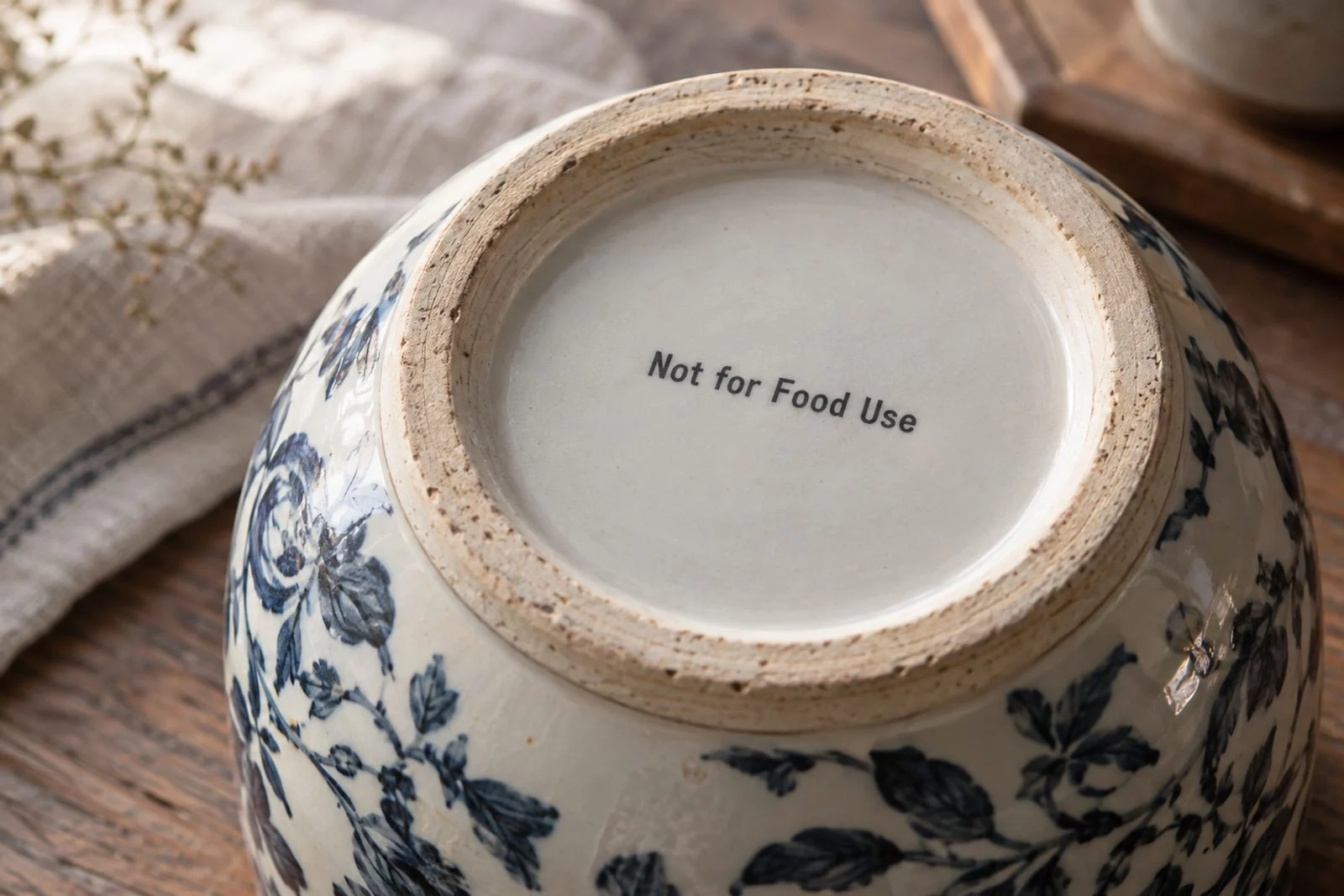
Ceramic Tableware Compliance: A Porcelain Importer’s Guide to Safety, Claims and Quality
What porcelain importers need for lead and cadmium rules, decorative marking, product claims and AQL inspection, with each document matched to the piece.
 Request a Quote
What porcelain importers need for lead and cadmium rules, decorative marking, product claims and AQL inspection, with each document matched to the piece.
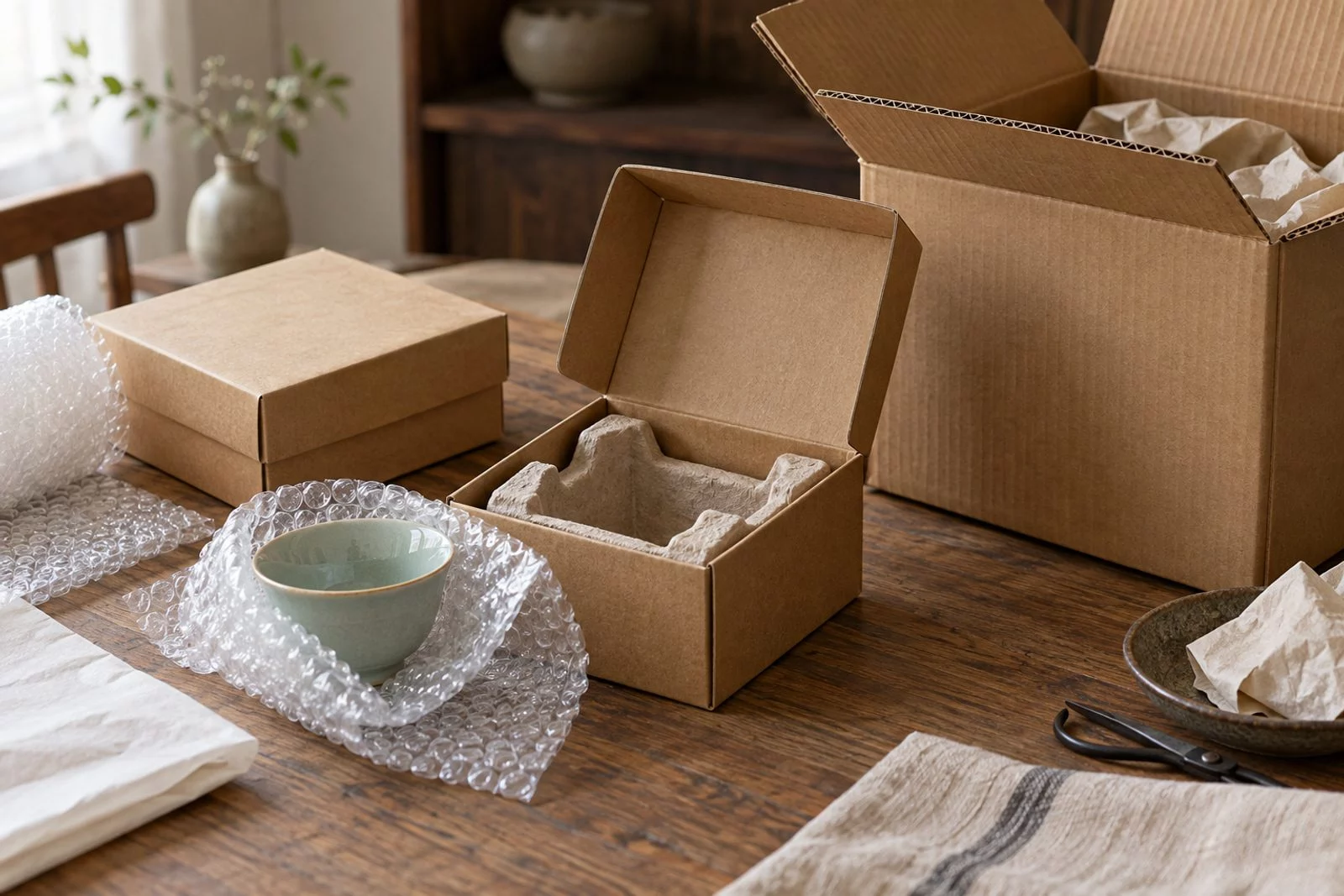
How to stock, price, photograph, describe and ship Chinese porcelain so that breakage, returns and dead stock don’t eat your margin.
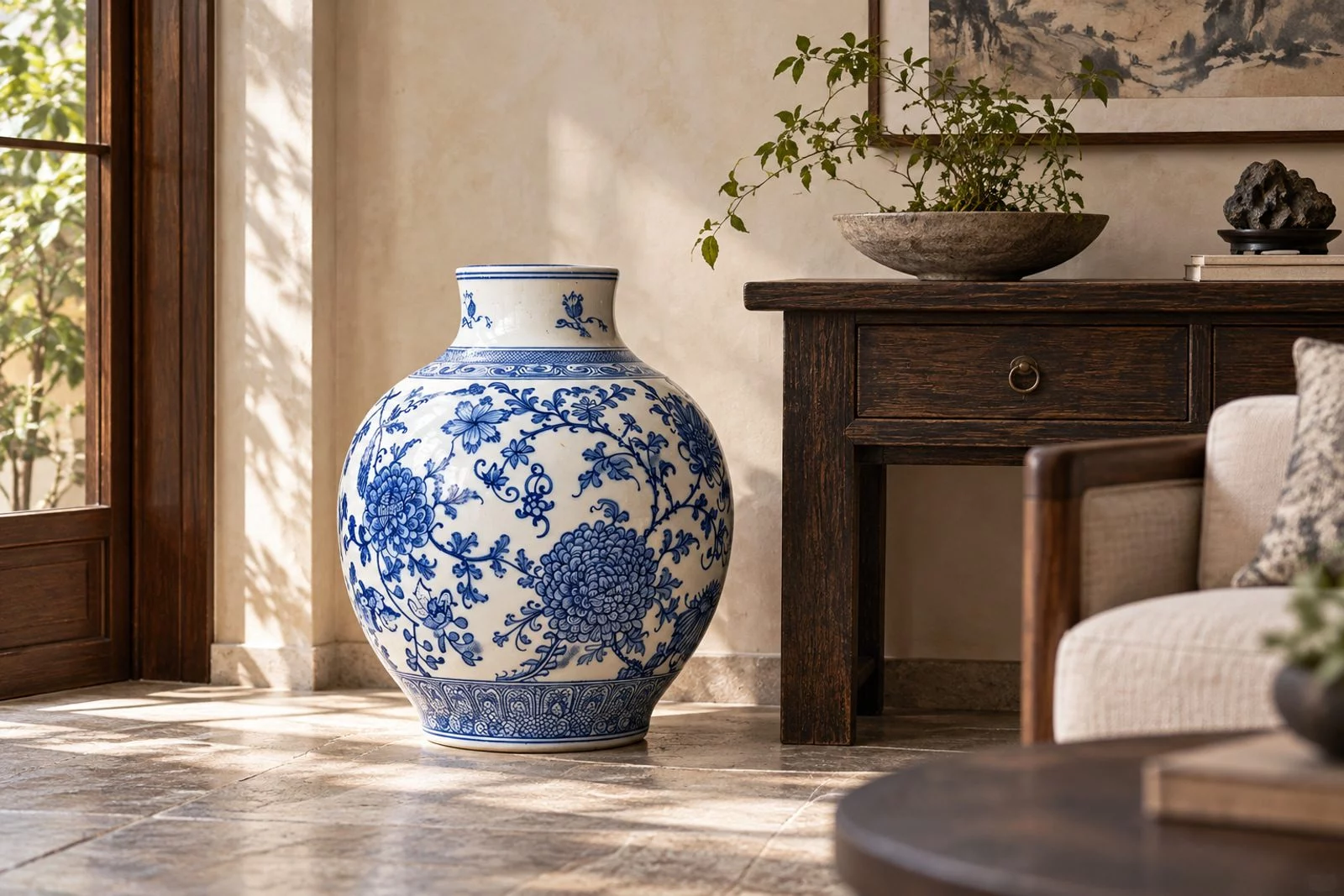
How designers choose decorative Chinese porcelain: scale, pairs and sets, glaze under light, stock or commissioned pieces, and pieces in public spaces.
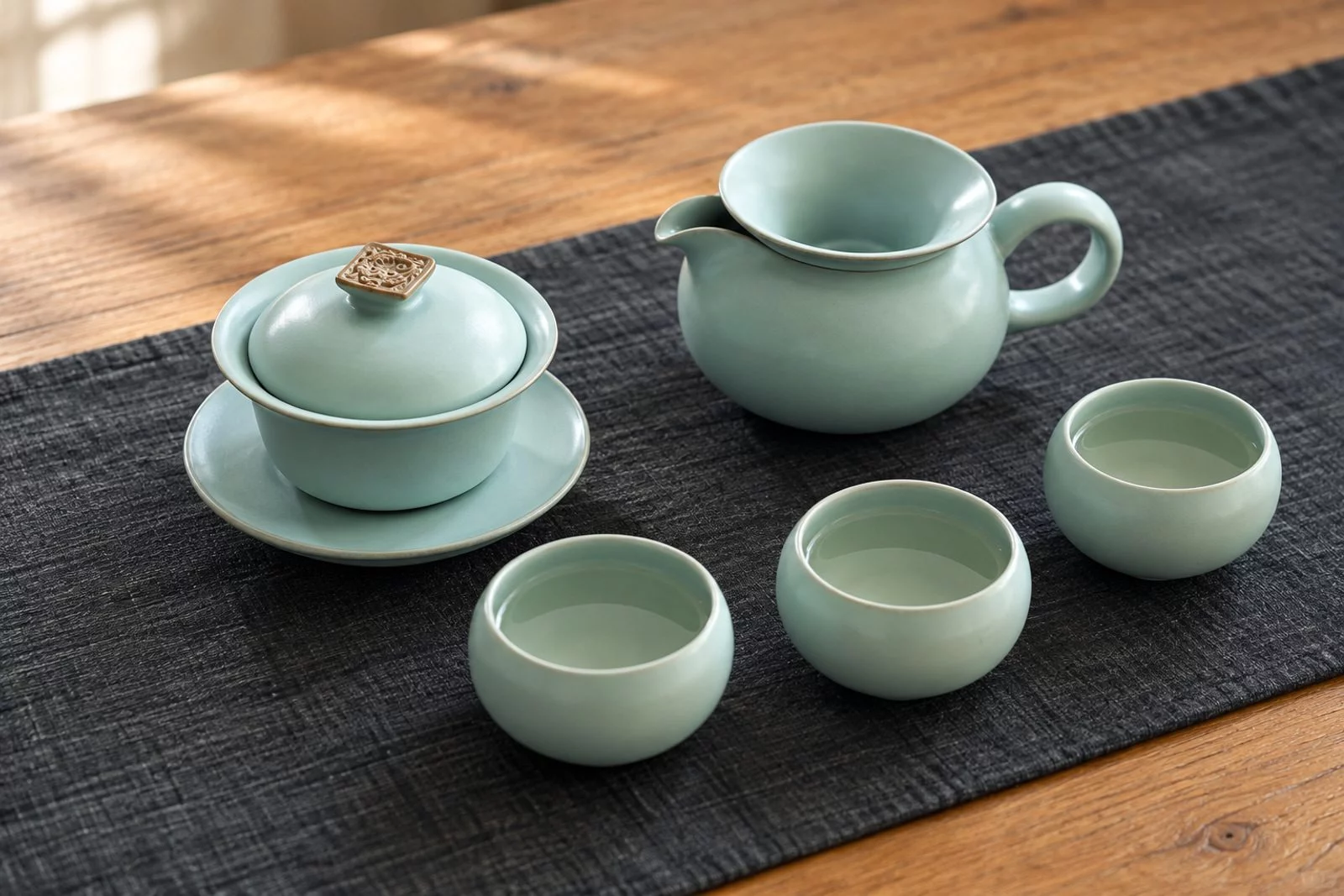
How to choose, test and reorder Chinese tea ware: gaiwans, gongfu sets and cups, glazes that suit the tea, safe decoration at the lip, branded gift sets.
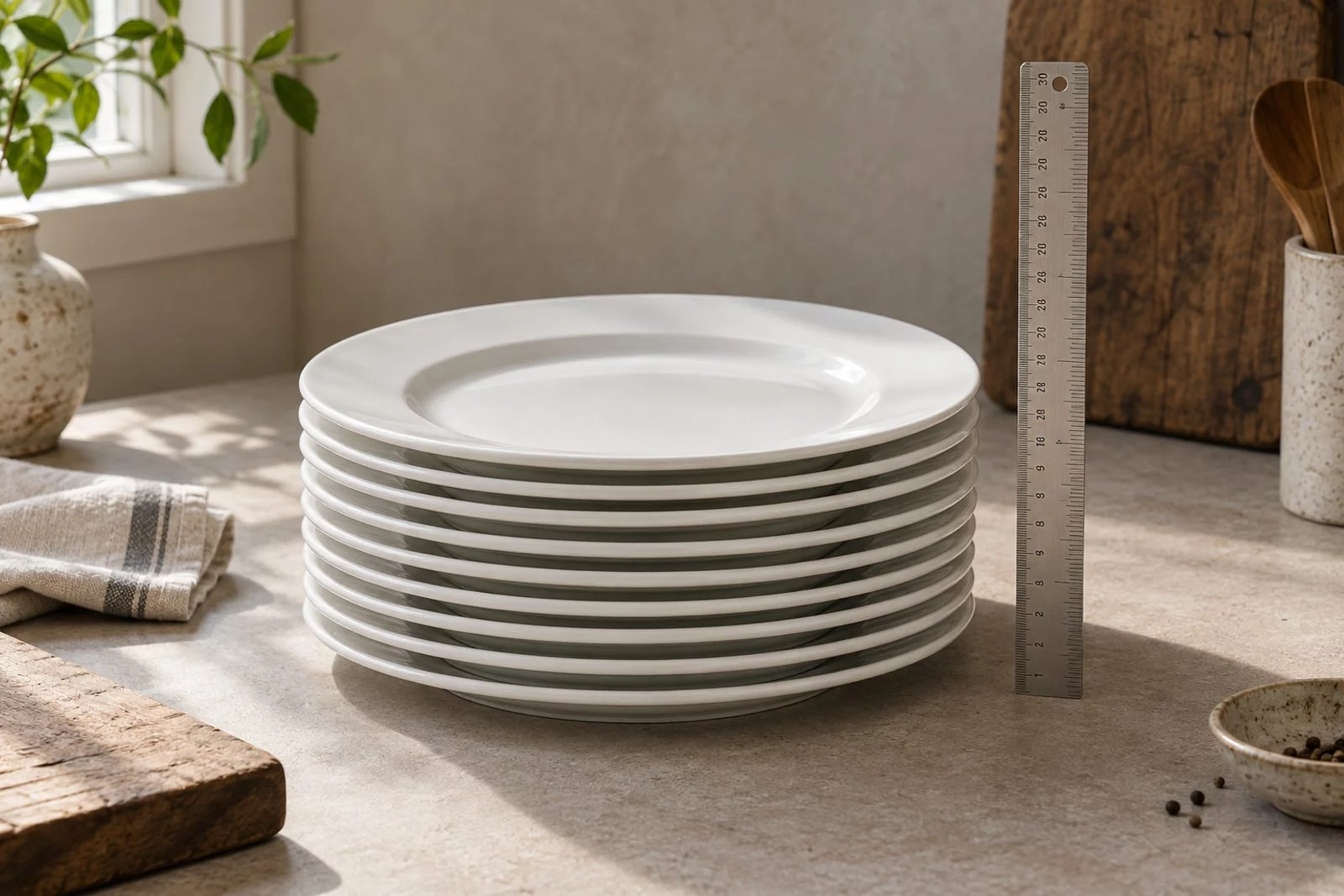
How to specify hotel and restaurant porcelain: piece counts, chip-resistant rims, logos that survive washing, matched reorders and opening timelines.
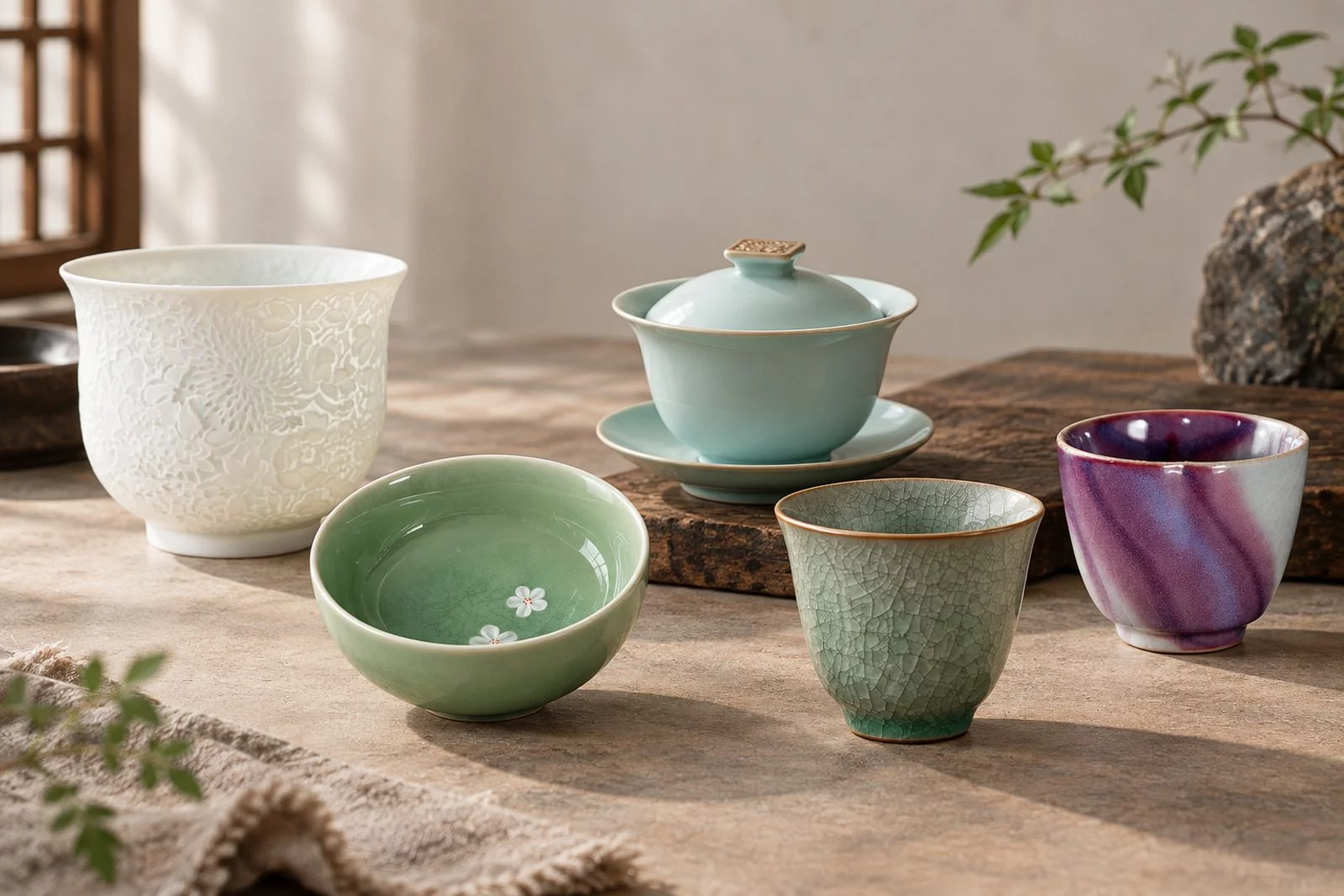
How celadon, Ru, Ge, Jun, monochrome and wood-fired glazes behave, which ones repeat on a reorder, and how to choose, approve and sell them.
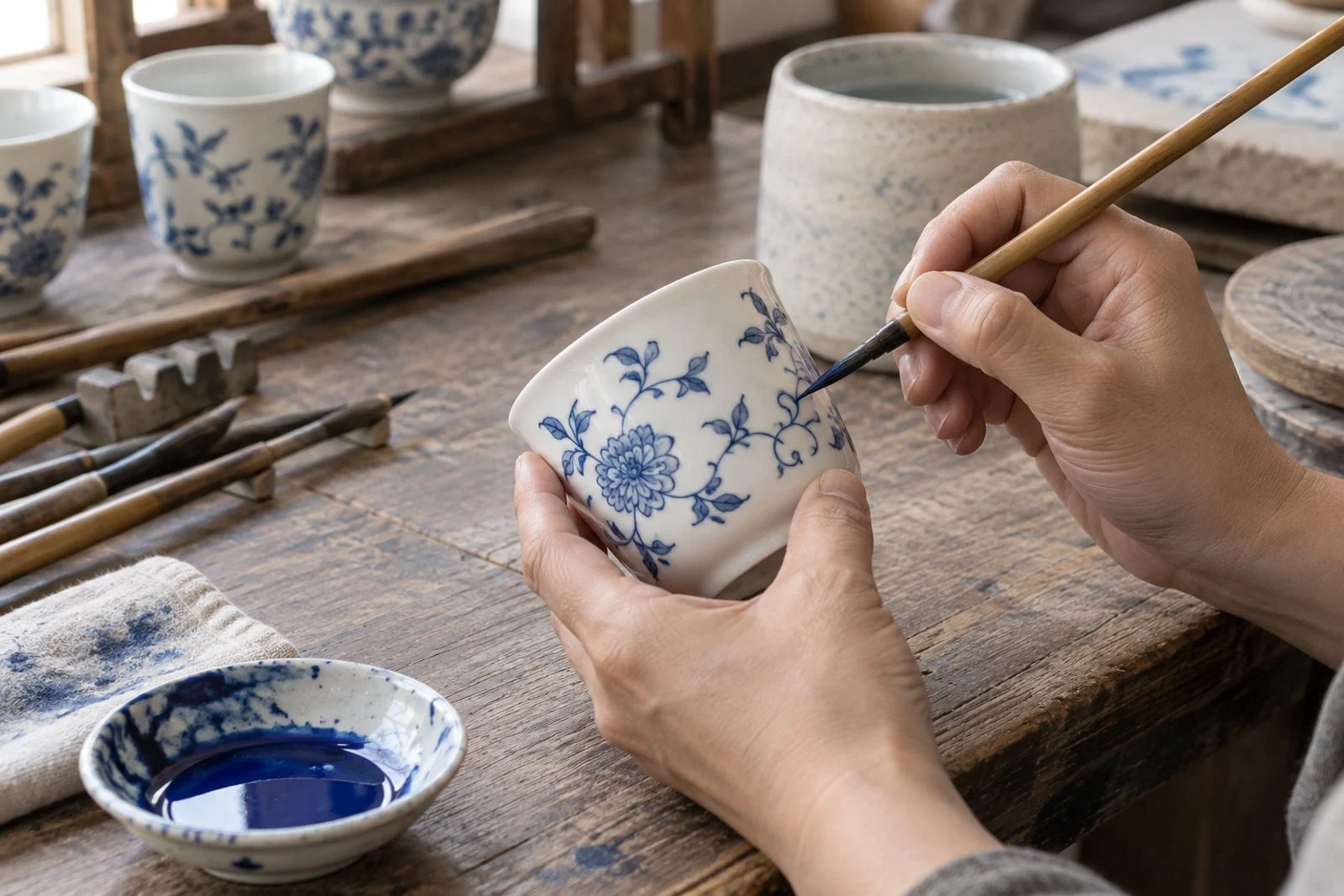
How blue and white, copper red, enamels, carving and decals are made in Jingdezhen, what each costs, how it wears, and how to keep reorders matching.
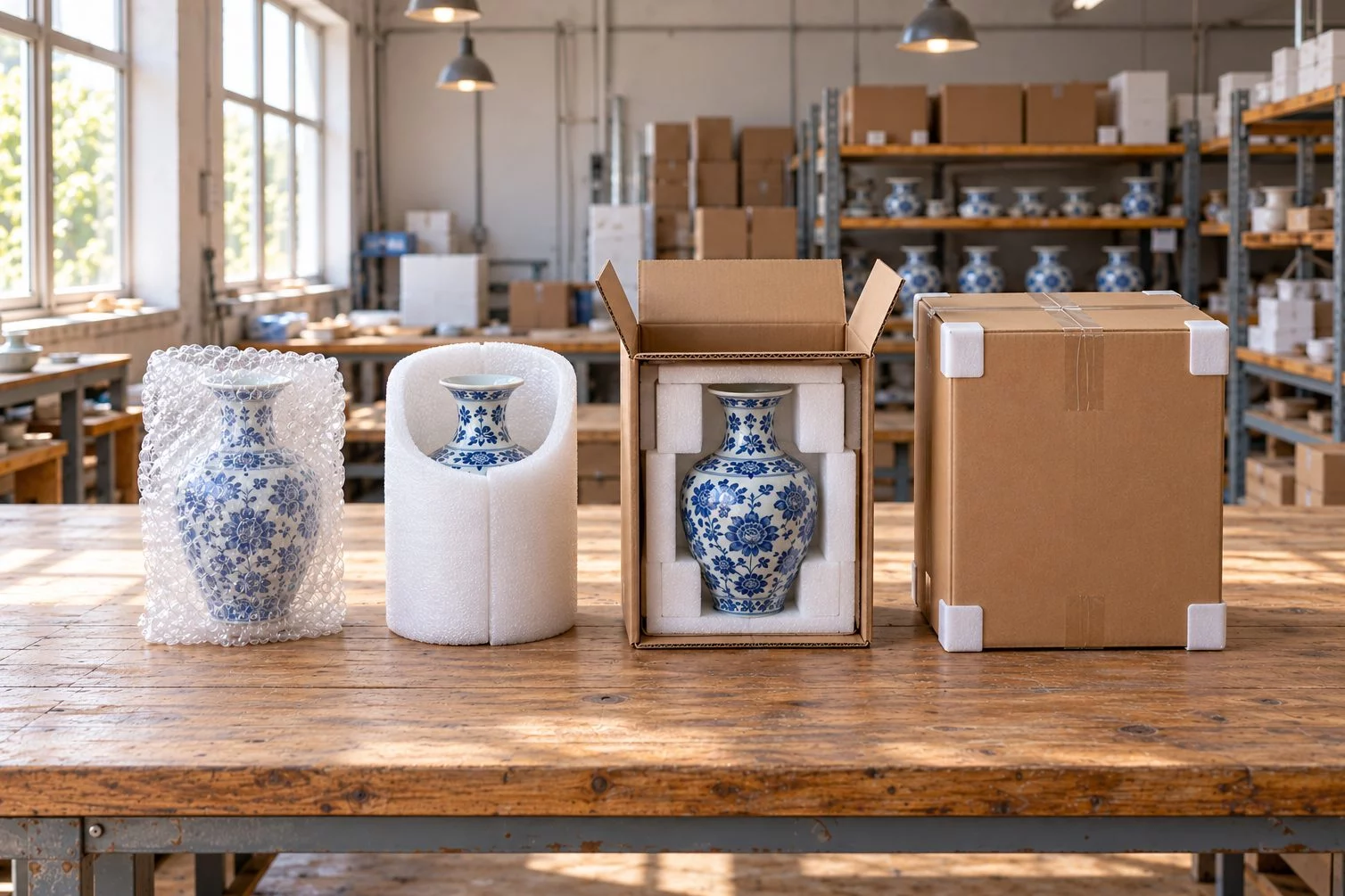
How porcelain really ships from China: freight by volume, trade terms, where breakage happens, customs codes, duty, and landed cost per piece.
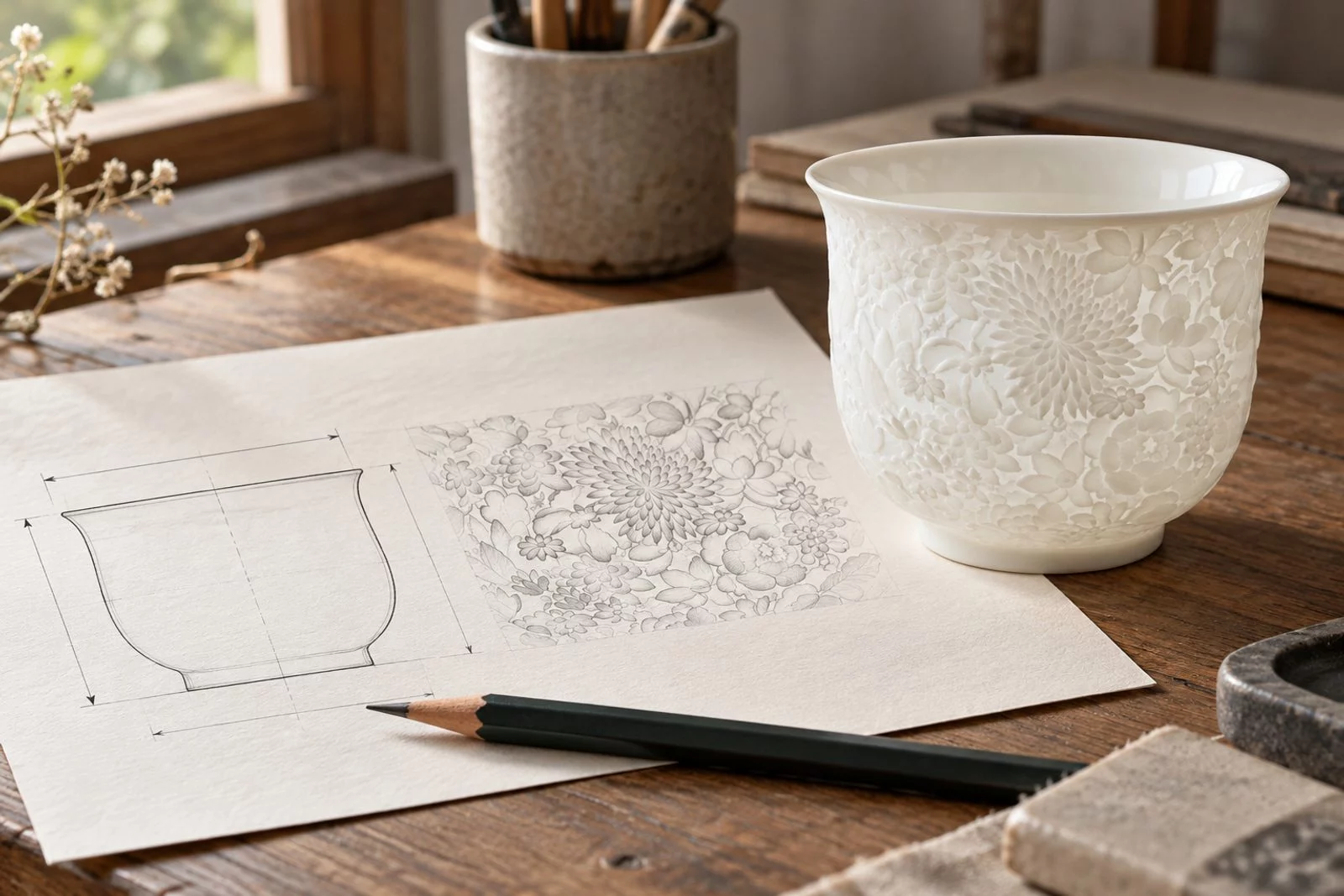
How a custom porcelain product gets made: choosing a route, form, glaze, logo and box, sample rounds, design protection and reorders.
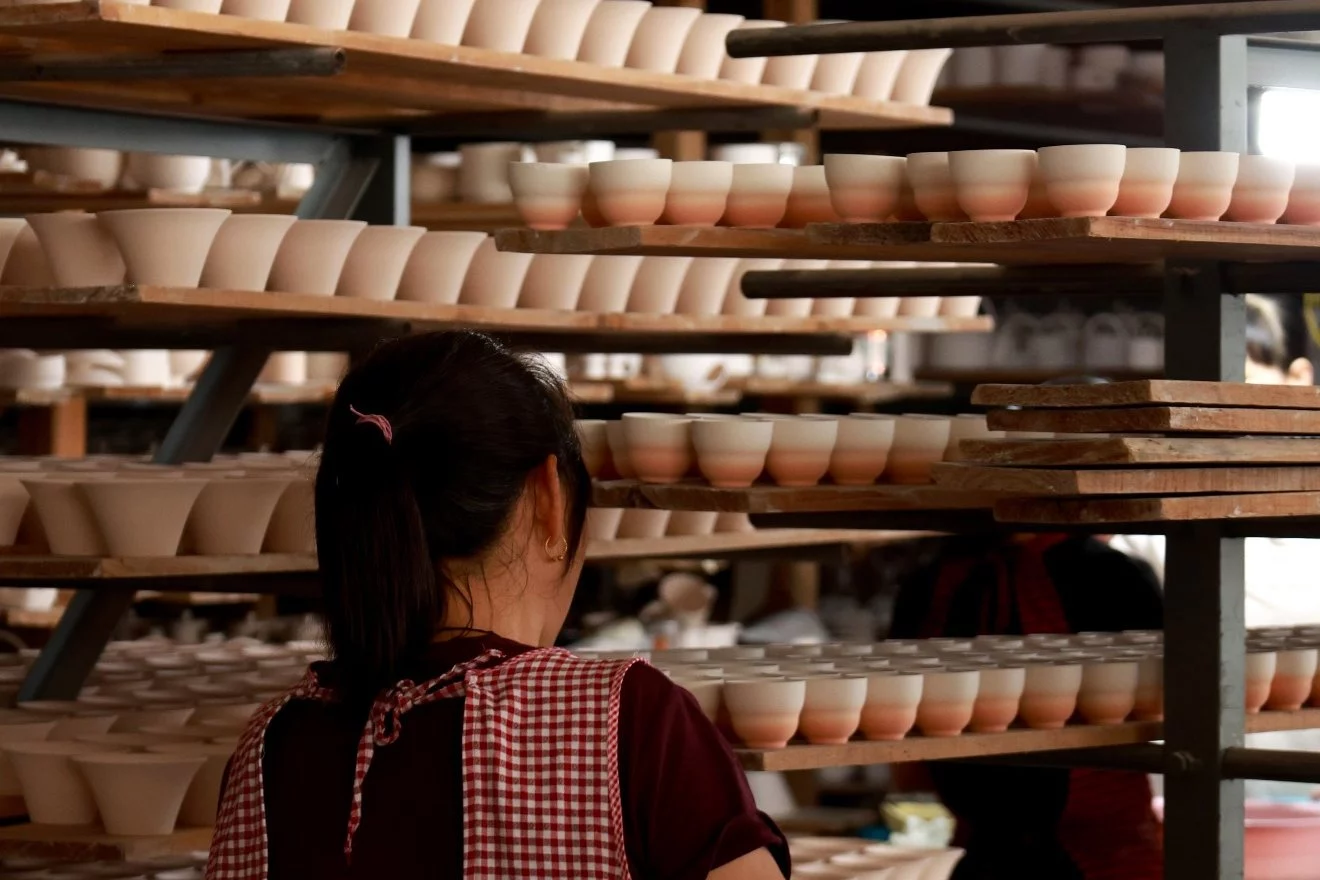
Where China’s porcelain is made, how to check a supplier, compare quotes, test small and sign a sample, from a Jingdezhen factory.