
Resources
Buyer guides from Jingdezhen
Ten guide collections on sourcing, craft and selling Chinese porcelain, written by our export team.
Browse all guides ↗
Request a Quote
Buying from China 01
Most sourcing problems start before the first order: a trader passed off as a maker, three quotes that describe three different cups, a sample nobody signed. These guides show how to check a supplier and set the order up so the porcelain that arrives is the porcelain you approved.
The basics
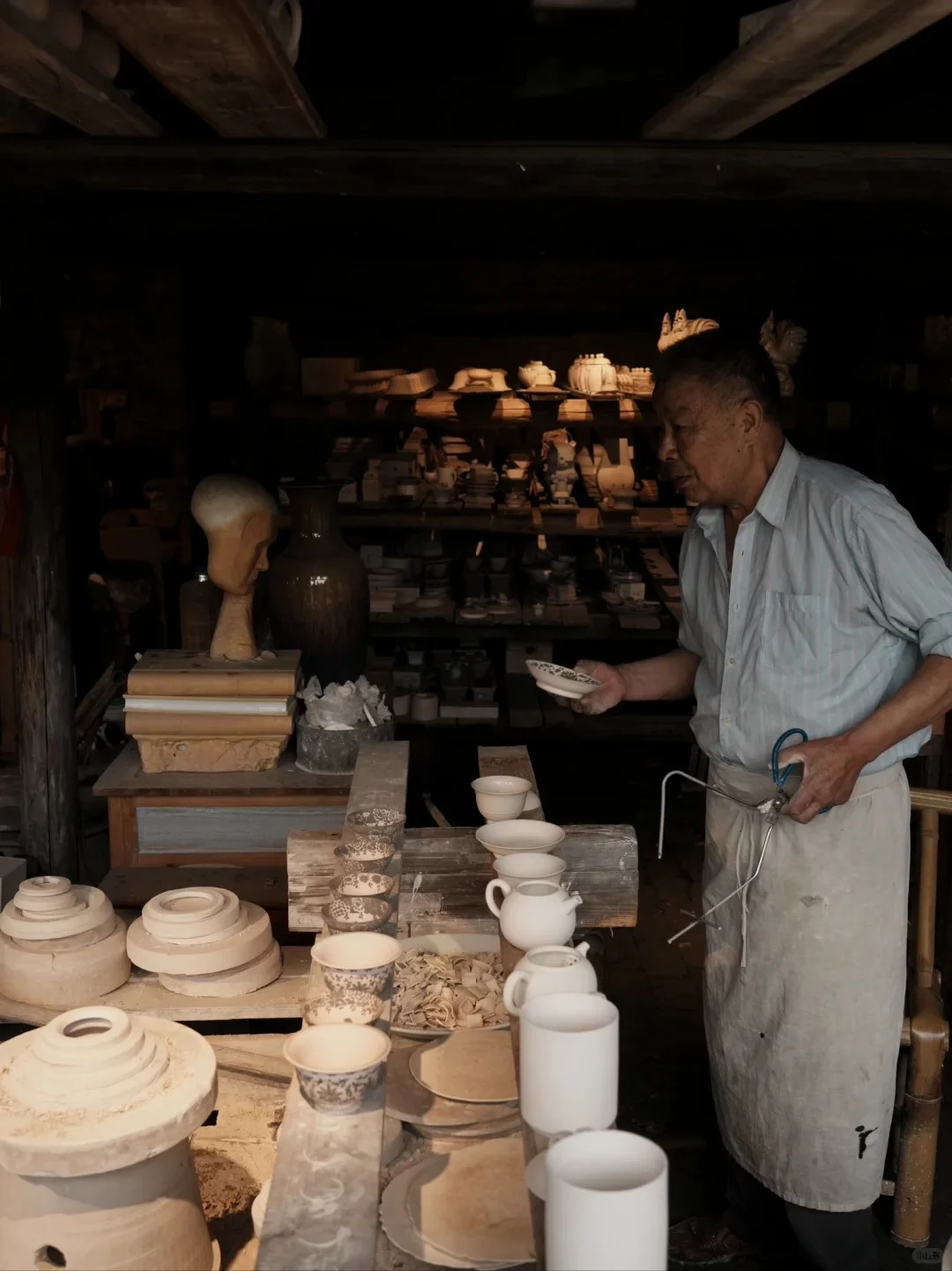
China makes porcelain in three main centers, and each suits a different order. Jingdezhen is where handmade, hand-painted and high-fired pieces come from, along with small and mid-size custom runs. Dehua leads on high-white bodies and molded forms, and Chaozhou on volume tableware and decals. A good supplier will tell you plainly which of these it is, and which steps it sends out.
The next question is who you are dealing with. A factory runs its own kilns; a trading company buys from factories; some companies, ours included, do both under one roof, making the core range and managing partner workshops for the rest. Any of the three can work, as long as you know which one is on the other side of the contract.
After that, the order follows a fixed path: a shortlist, a check of the business license and the workshop, stock samples, a written standard signed with the sample, a deposit, inspection and shipping. Our own terms are a 30% deposit with the balance before shipment, by T/T, L/C or Western Union, and stock leaves Jingdezhen in 3–7 working days.
Reading path
New to buying in China? Read the sourcing guide first, then the shipping and compliance guides before your first order.
Each check takes minutes, and each one rules out a different kind of supplier problem.
Look up the business license and check the name matches the contract and the bank account.
Ask which steps happen in their own workshop and who owns the kiln.
Order two or three in-stock pieces before any custom work.
Sizes, color range, packing and accepted variation, signed with the sample.
A deposit, then the balance against inspection or documents. Our own terms are 30% deposit, balance before shipment.
| Center | What it does best | Ask a supplier based there |
|---|---|---|
| Jingdezhen | Handmade and hand-painted porcelain, high-fired glazes, small and mid-size custom runs, large decorative pieces | Which steps happen in your own workshop, and who fires the piece? |
| Dehua | High-white bodies, molded figures and forms, large volumes | Is the decoration done here, or sent out? |
| Chaozhou | Volume daily-use tableware, decals, printed gift boxes | Is this piece decal or painted, and where was it fired? |