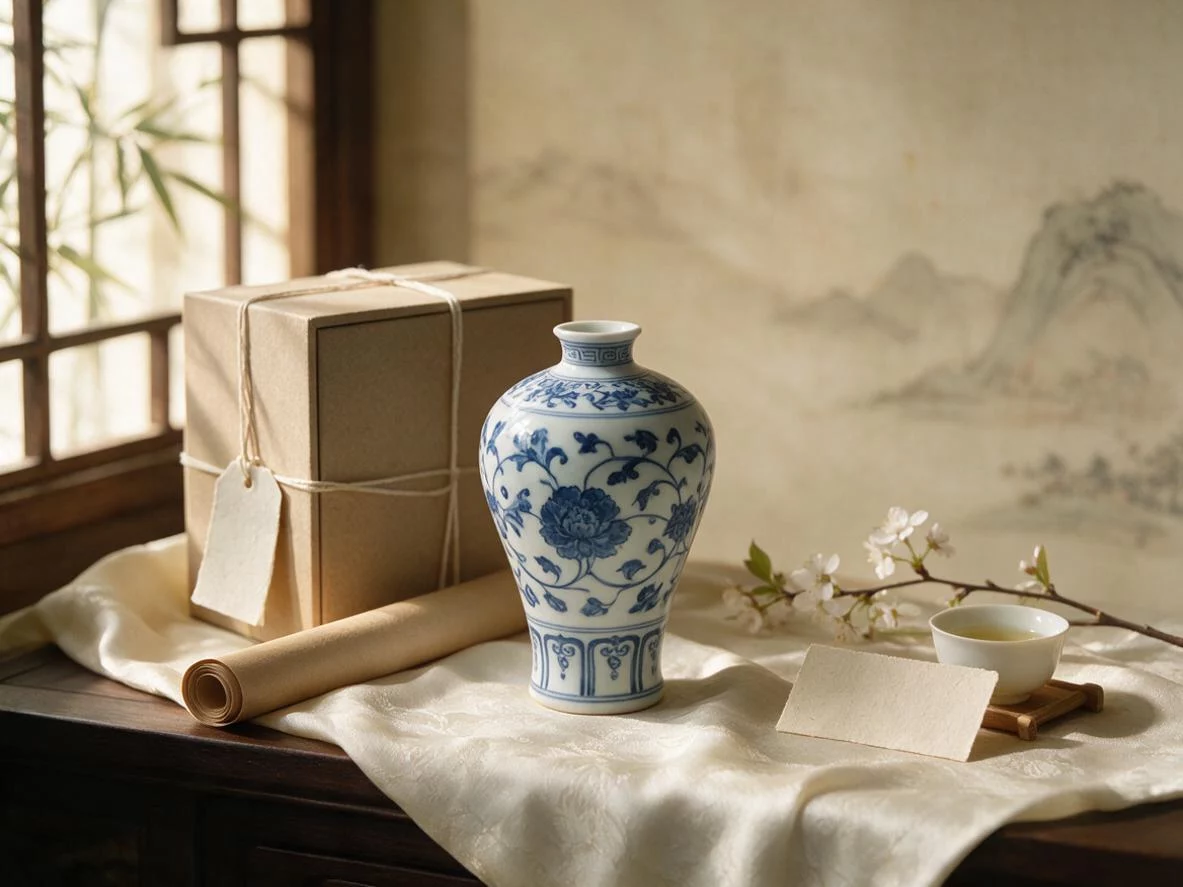
How to Import Porcelain from China: MOQ, Terms and Timing
How to import porcelain from China: check the maker, size a first order from 1, 10 or 50 pieces, sample and sign, choose EXW, FOB, CIF or DDP, and plan the calendar.
 Request a Quote
How to import porcelain from China: check the maker, size a first order from 1, 10 or 50 pieces, sample and sign, choose EXW, FOB, CIF or DDP, and plan the calendar.
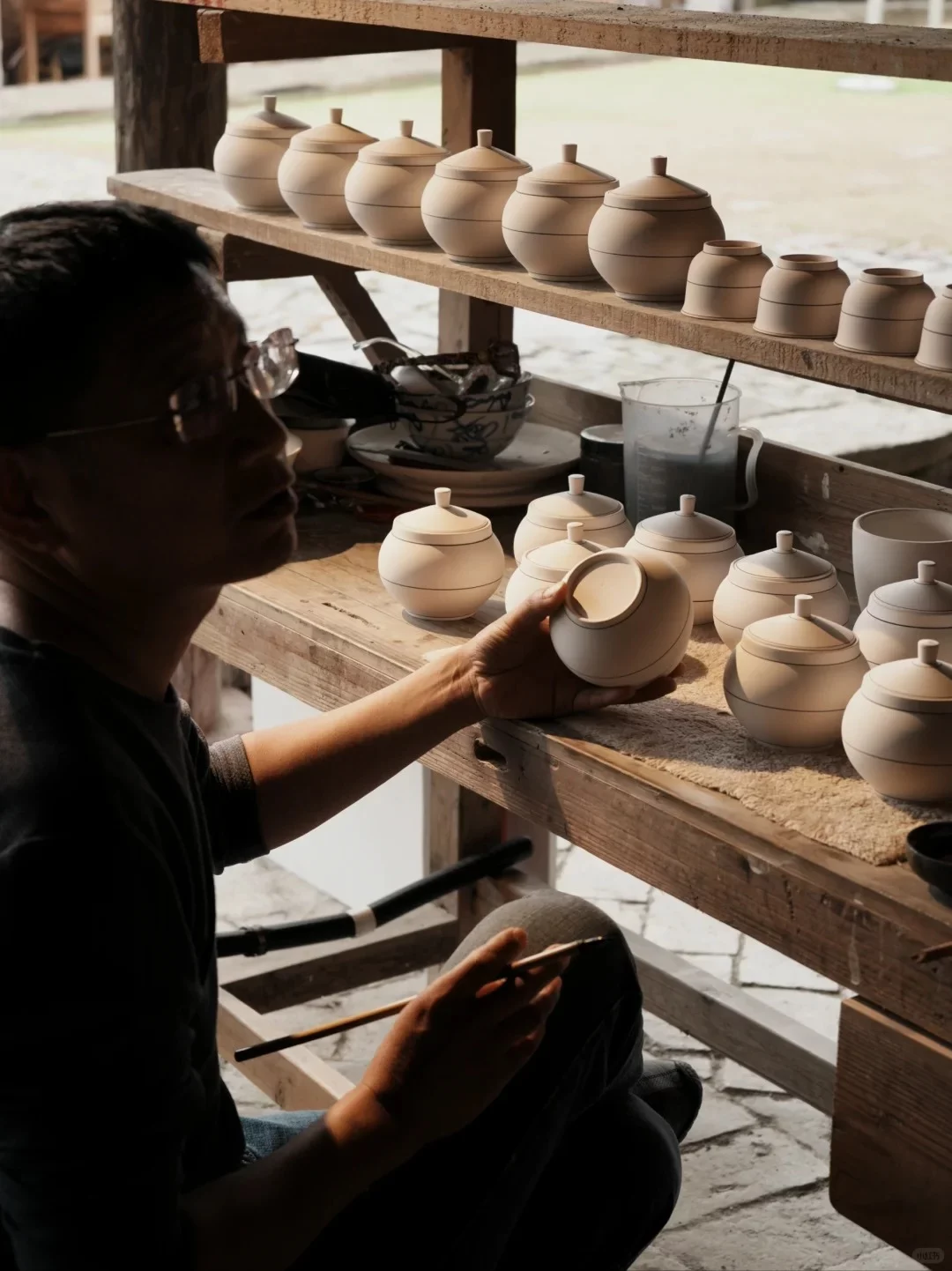
How to read a ceramic supplier’s lead and cadmium report: what the test measures, ASTM C738, LFGB and Prop 65, the sample description and how to verify it.
How museum stores source Chinese porcelain from Jingdezhen: a range at three prices, pieces drawn from your own collection, true shelf cards and opening dates.
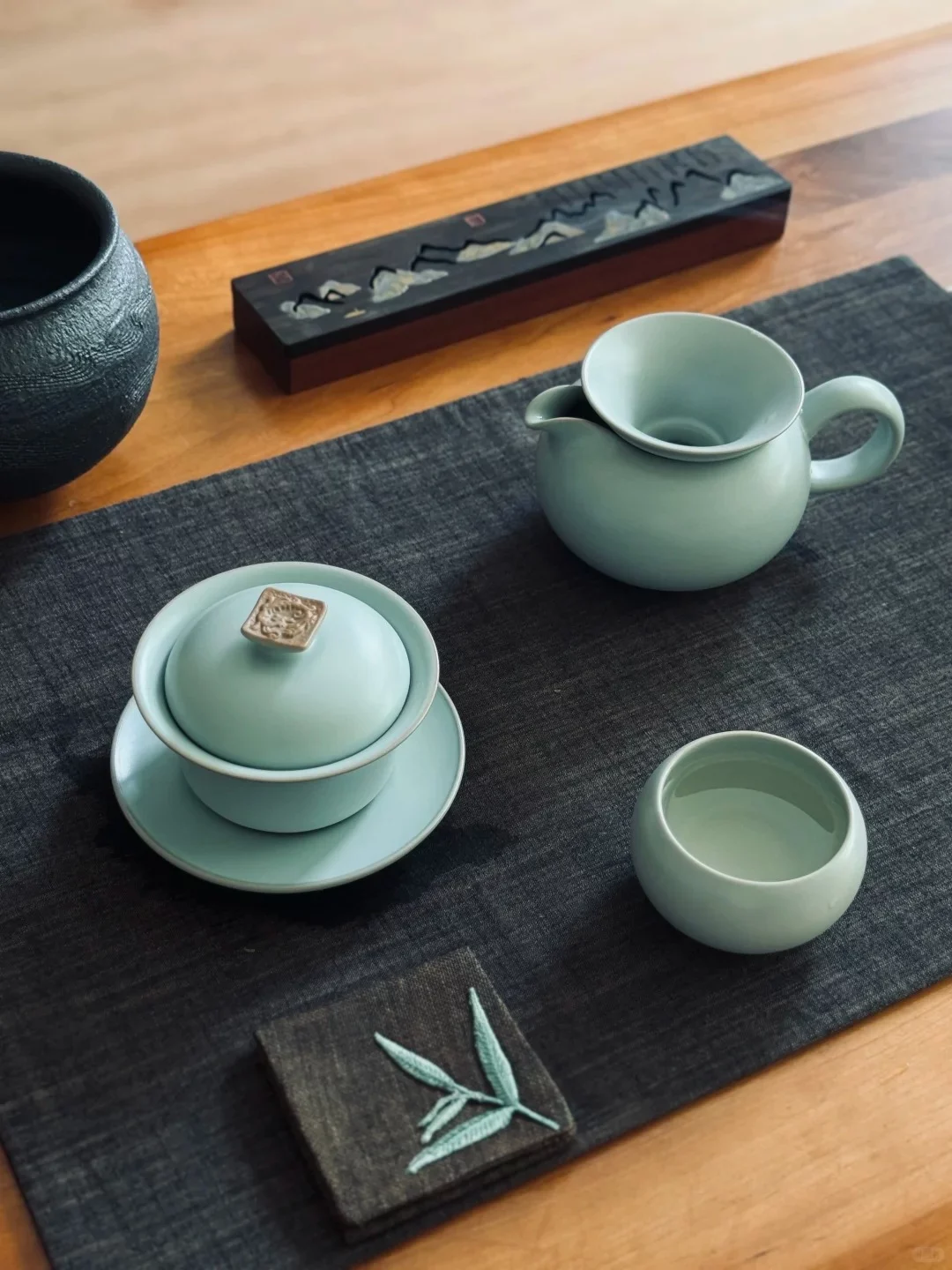
Wholesale tea ware from Jingdezhen: gaiwans, gongfu cups and tea sets from 1 piece, mixed orders from 10, your own mark from 50 pieces. Which glaze for which tea.
A shelf box, a parcel to a customer’s door and a hotel delivery sorted by floor each ask something different of the same cup. Here is what to tell us for each channel before the sample is approved.
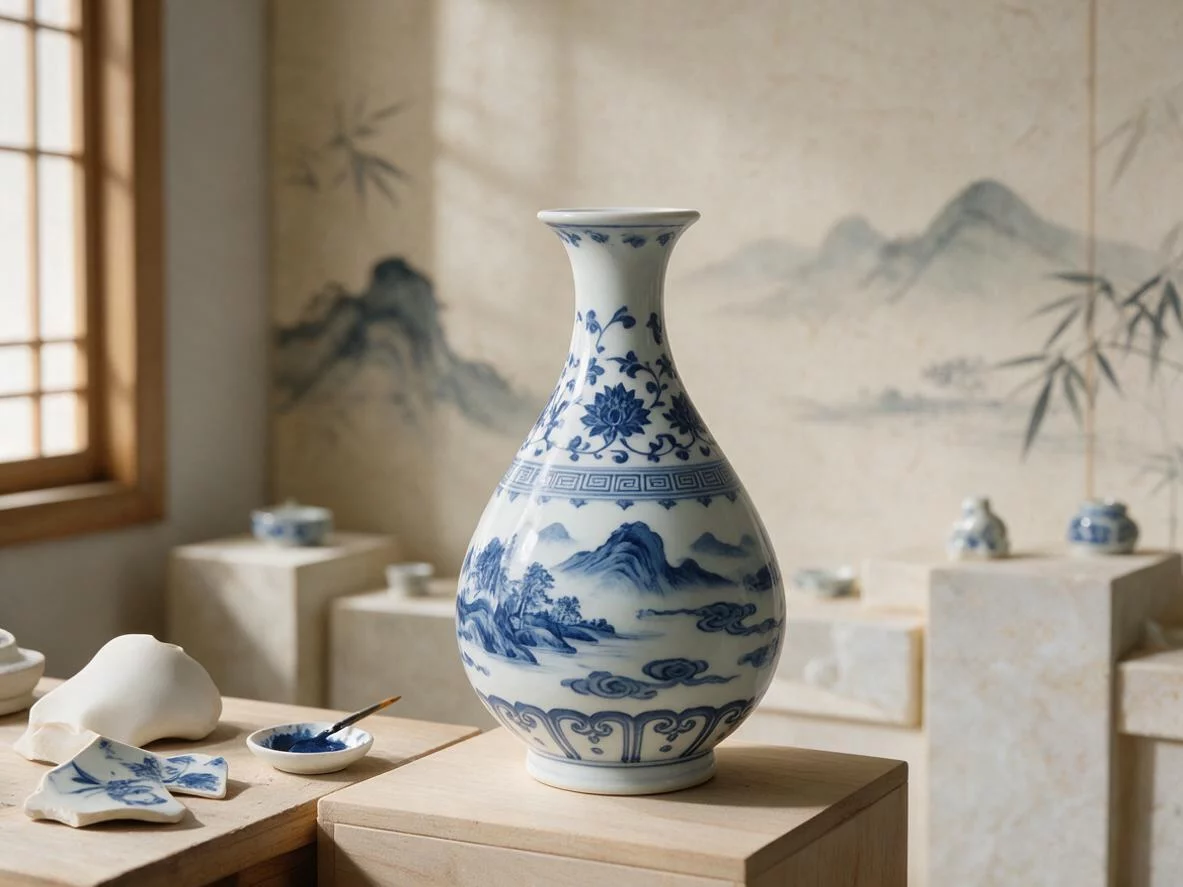
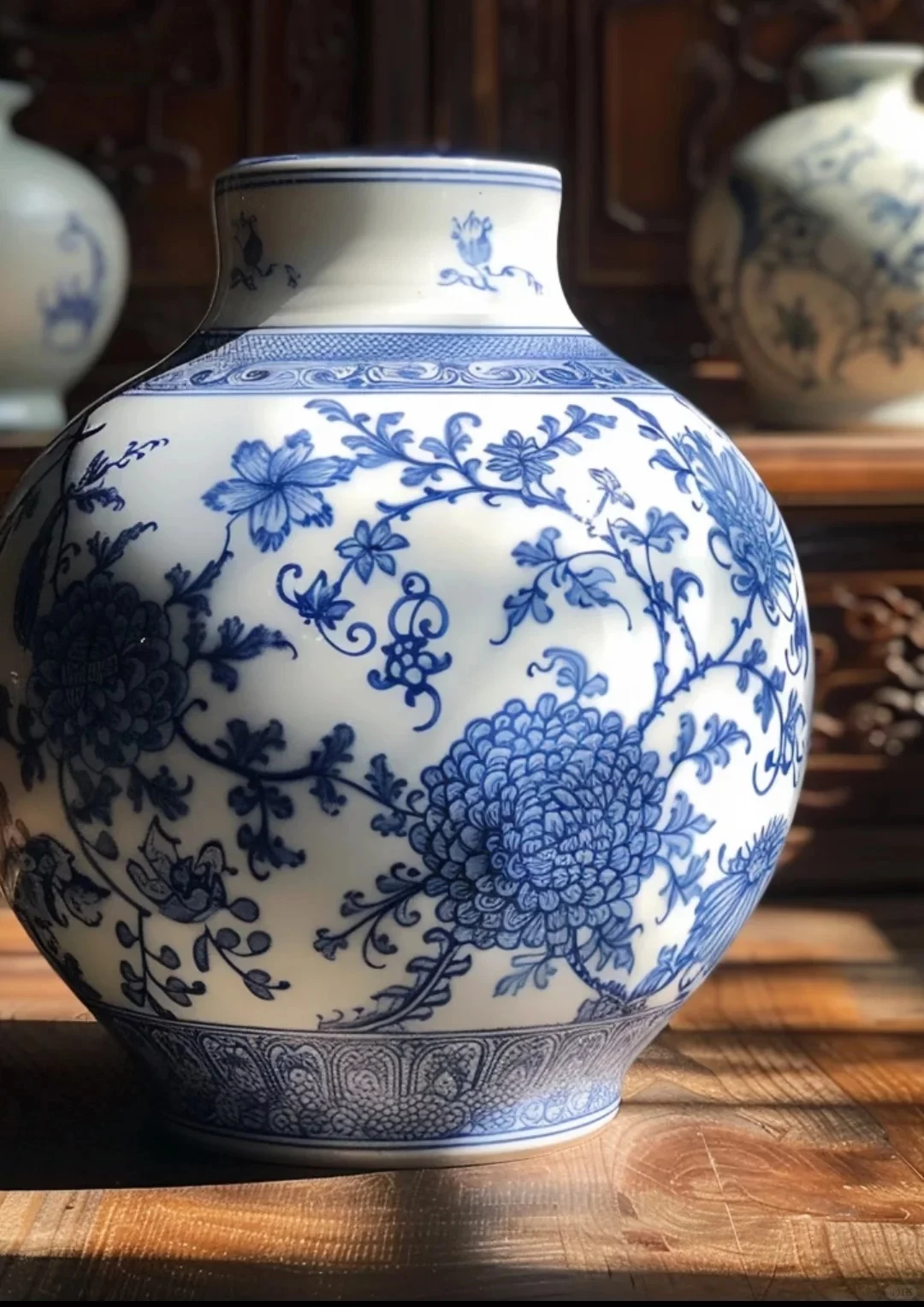
More than six centuries after Jingdezhen cobalt reached Persia and Europe, blue and white is still our flagship export series. This is a buyer’s look at why it keeps selling, and at the choices that keep a range selling.
A photo shows a mood, not a wall thickness. This guide lists what a picture hides and what to send with it. It then follows one image to a signed sample, in 15–30 business days for a new form or pattern.
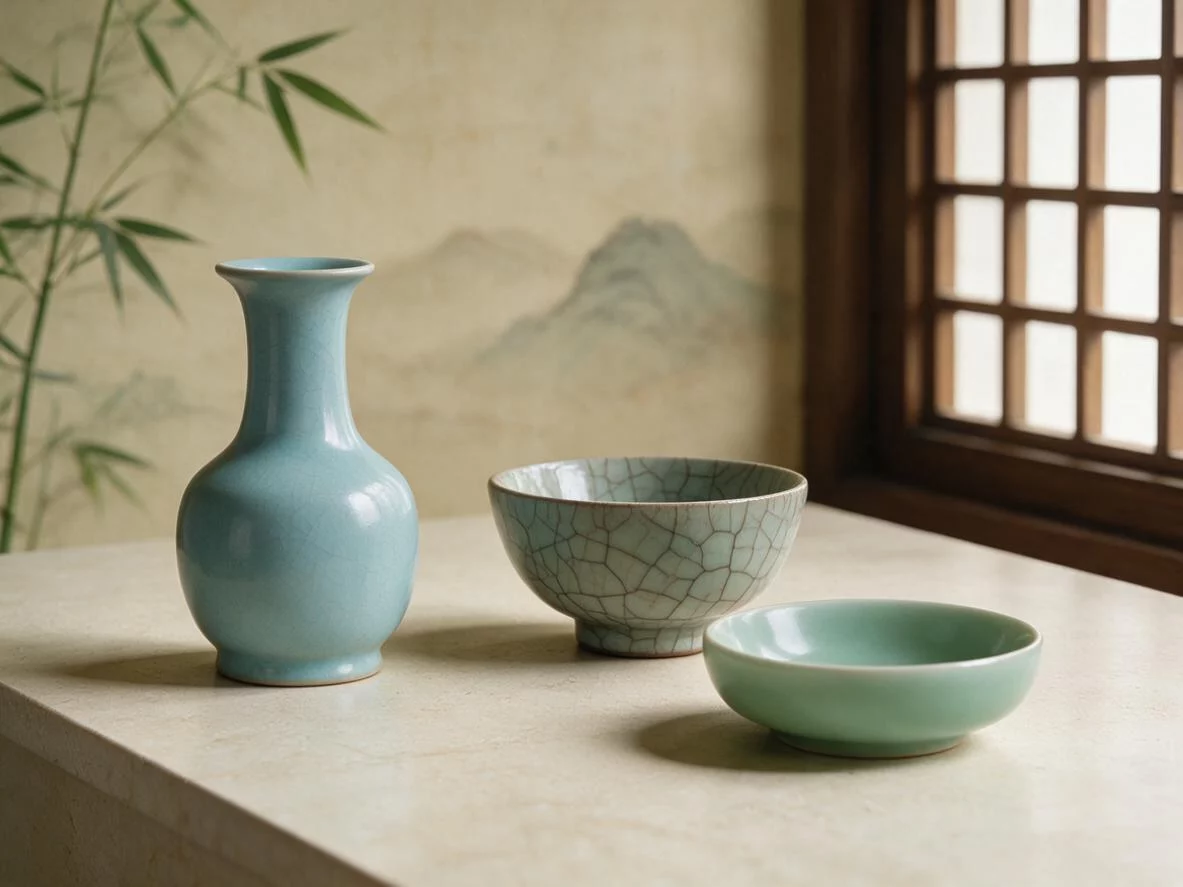
One celadon glaze reads clear and cool on white porcelain and deeper on a darker stoneware body. This guide matches each body to tea service, tableware or display, and shows what to fix in the specification.