Why does Jun suit the meiping shape?
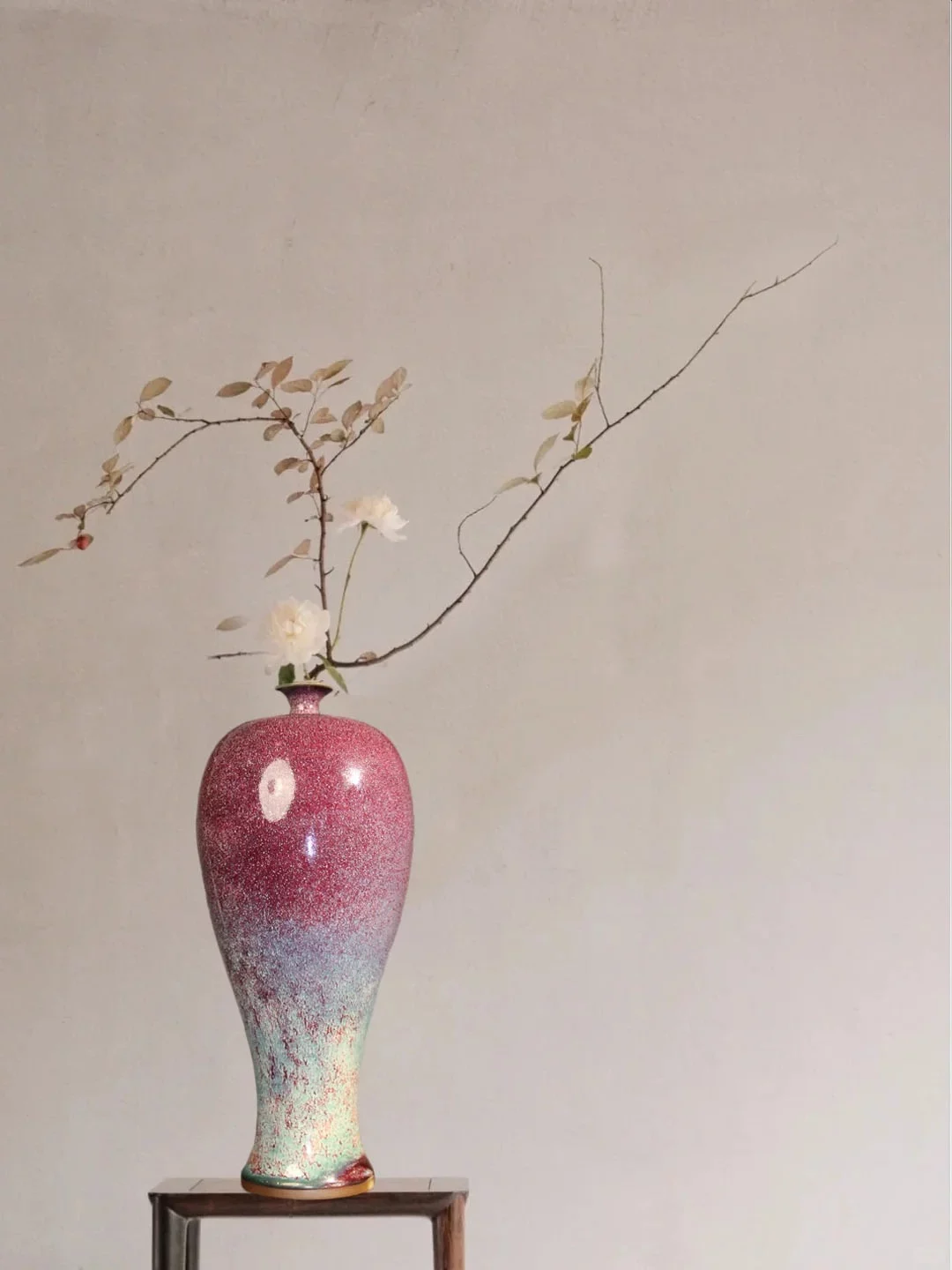
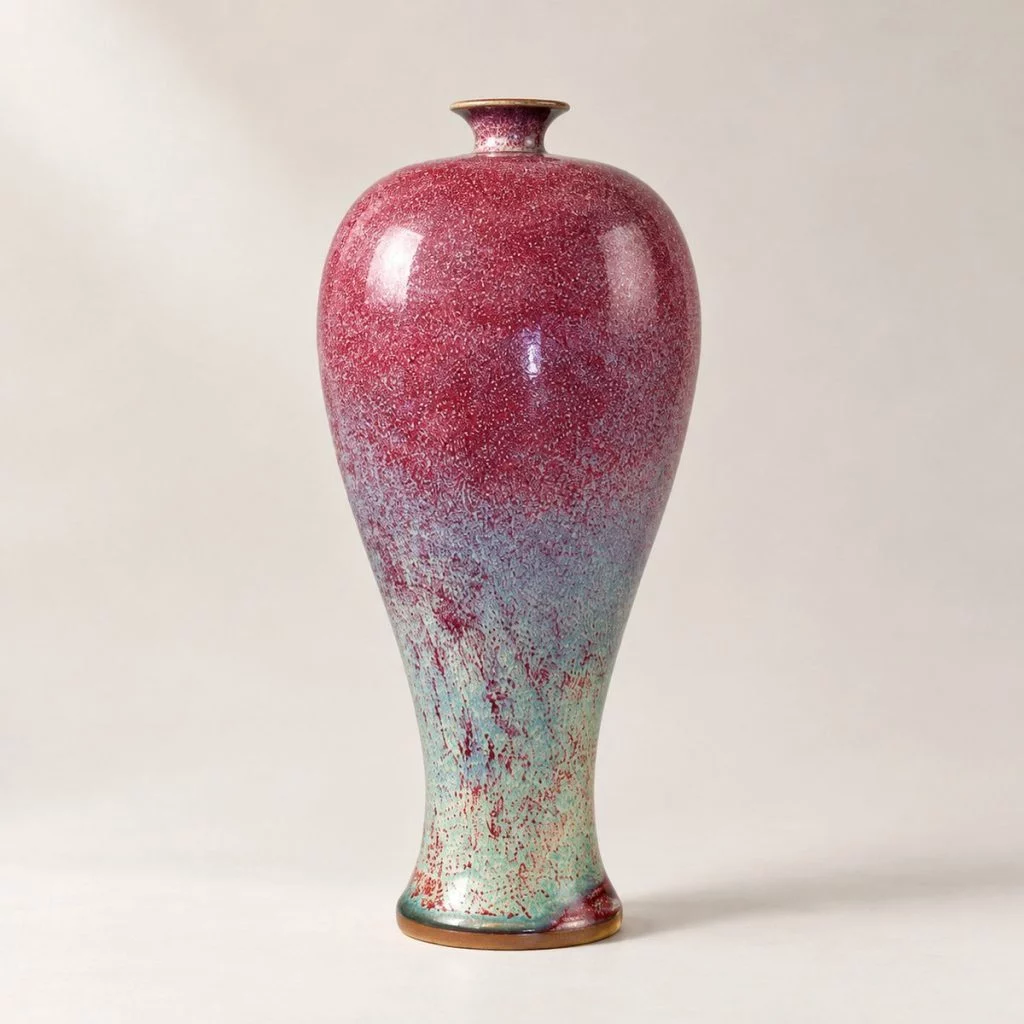
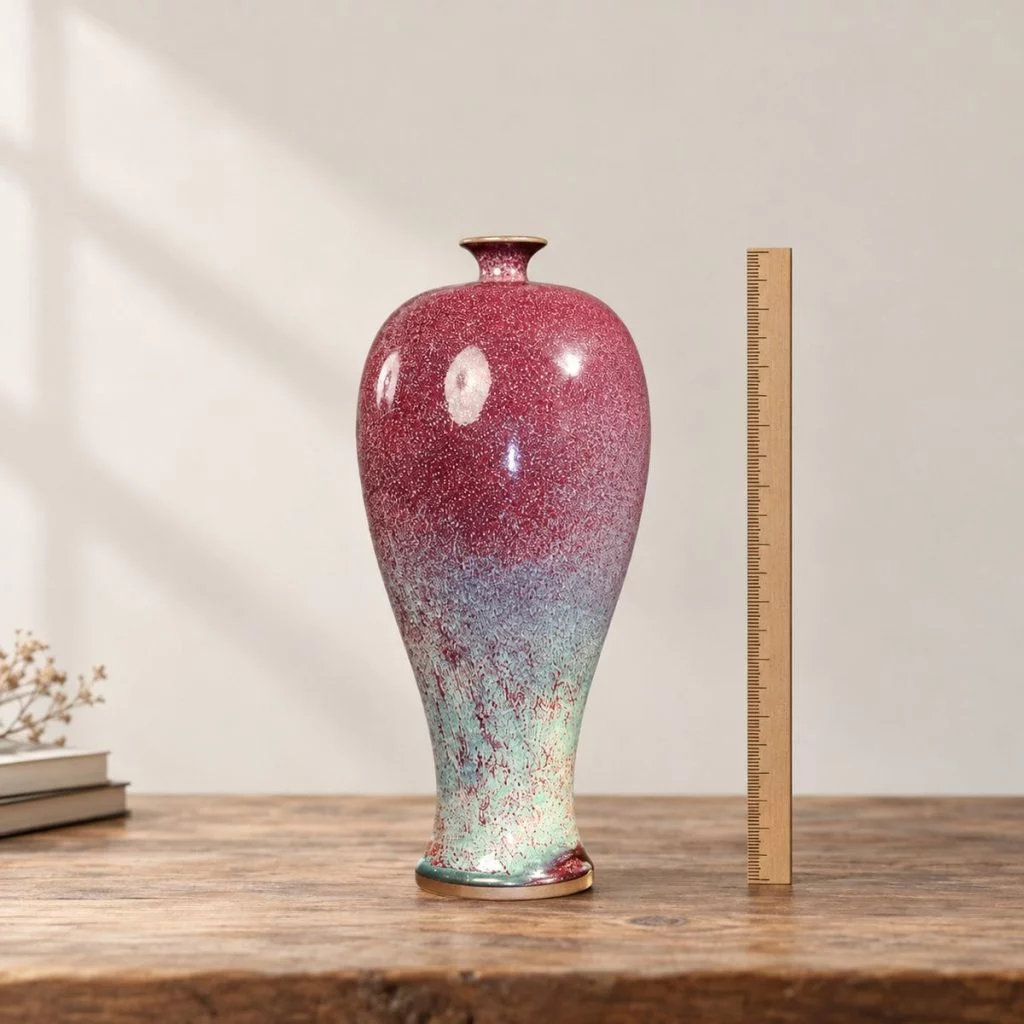
The meiping, or “plum vase”, took shape in the Song dynasty: a narrow mouth, full shoulders and a body that narrows toward the foot. The profile suits Jun glaze almost perfectly. The glaze settles on the broad shoulder, then runs down the long body, so the color has a long slope to travel and keeps changing all the way down.
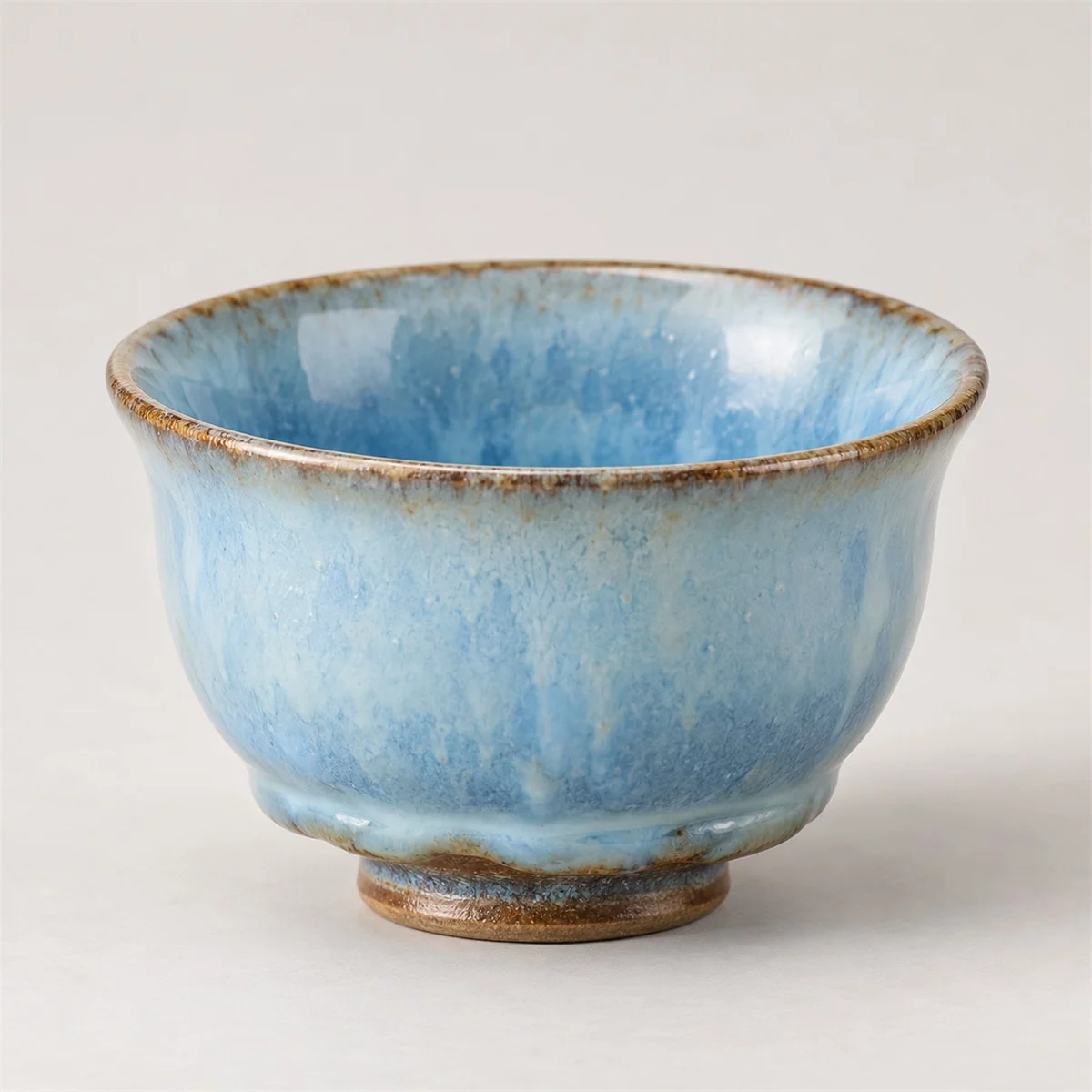
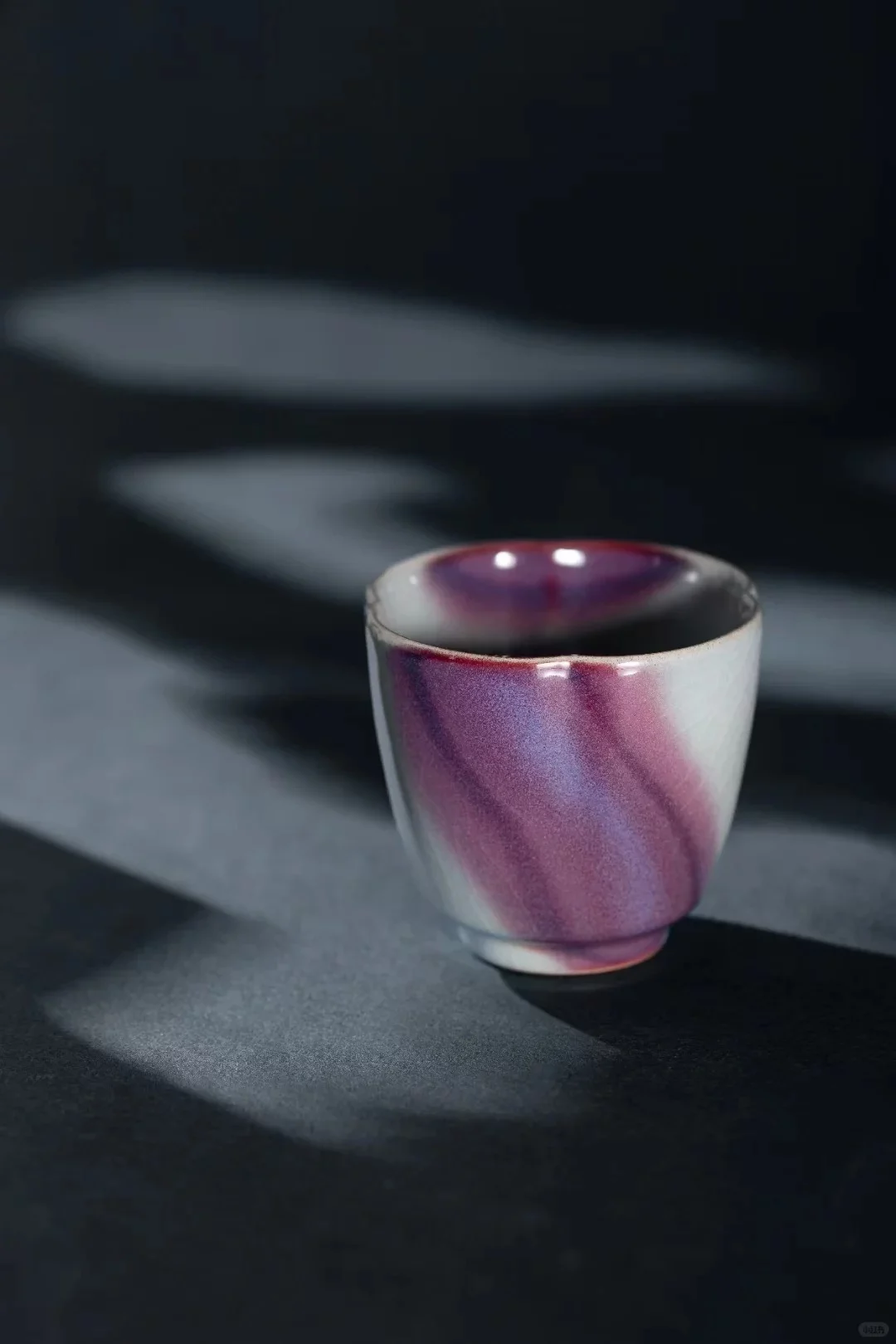
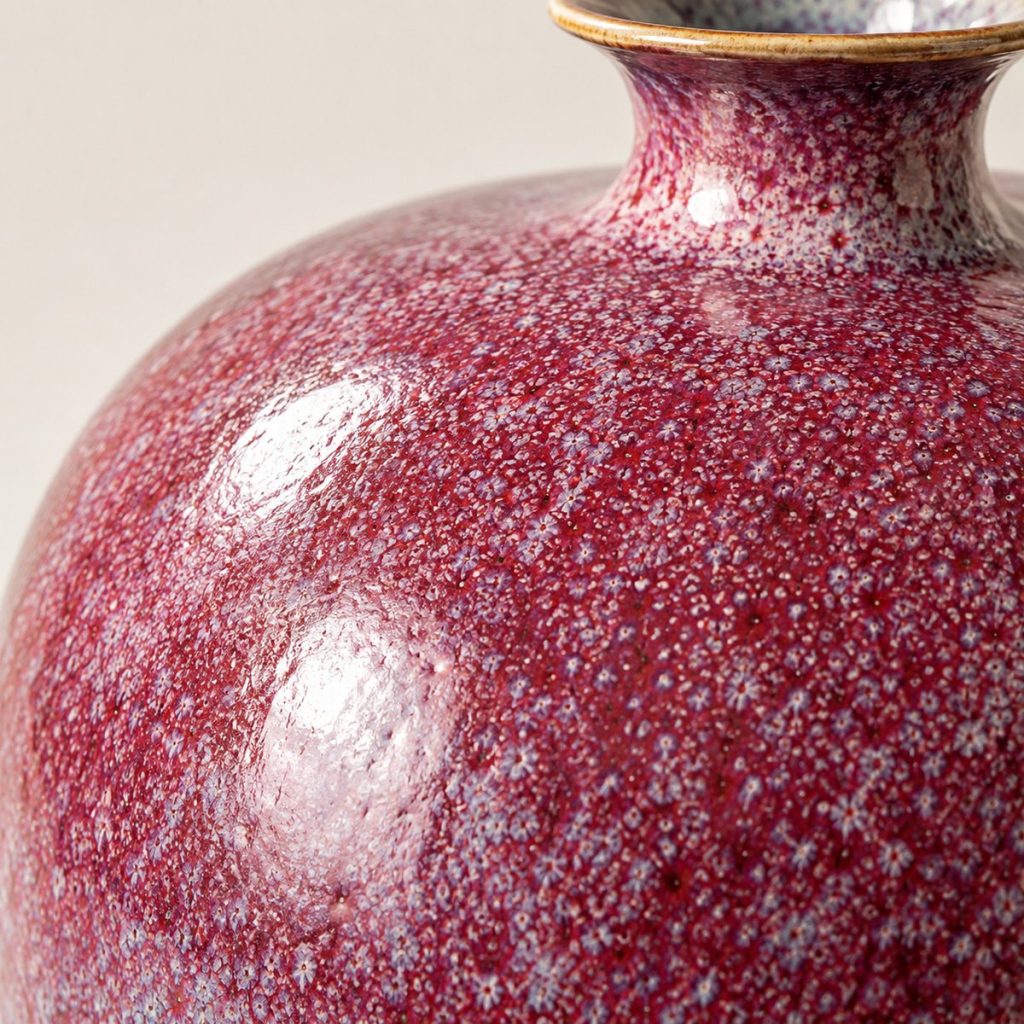
On this vase the color moves from crimson-purple into lavender blue, then turquoise and cream. Fine speckles across the surface come from small bubbles in the thick glaze. Near the mouth and at the foot, where the glaze runs thin, the body shows through as a brown edge, the usual sign of a genuine Jun glaze.
Because the kiln sets the final color, every meiping is one of a kind. For an order, our kiln team fires a group of samples and you approve the range: how far the purple spreads and how much turquoise shows. The finished vases are sorted against those samples in Jingdezhen, then crated one by one.
Where a single-glaze vase like this works best in a room is covered in our guide to decorative Chinese porcelain for interiors.