
Resources
Buyer guides from Jingdezhen
Ten guide collections on sourcing, craft and selling Chinese porcelain, written by our export team.
Browse all guides ↗ Resources
Buyer guides from Jingdezhen
Ten guide collections on sourcing, craft and selling Chinese porcelain, written by our export team.
Browse all guides ↗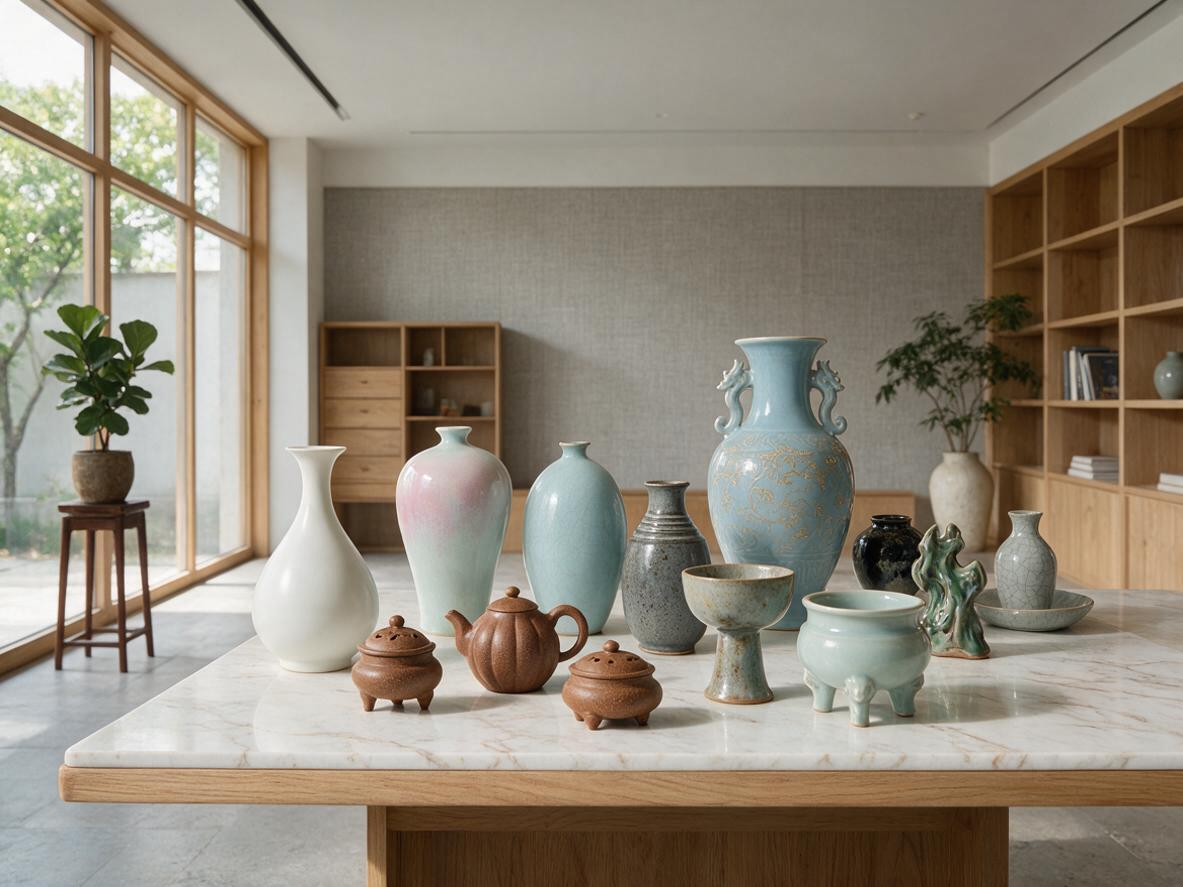
20th century to now
Since 1912, Jingdezhen has gone from palace kiln town to state factory city to a home for family workshops, designers and artists from across China and abroad.
Modern · 20th century–now
1912 to today
After the last emperor, Jingdezhen’s painters looked for new buyers. In the 1920s and 1930s a circle known as the Eight Friends of Pearl Mountain painted porcelain plaques in the manner of ink painting, and collectors across China bought them. After 1949 the town’s kilns were merged into ten large state factories, a ceramic research institute set out in 1954 to recover lost glazes, and the Jingdezhen Ceramic Institute opened in 1958 to train designers. When the state factories closed or were sold in the 1990s, their throwers, trimmers and painters opened small workshops of their own. In 2006 Jingdezhen’s handmade porcelain techniques were listed as national intangible cultural heritage, and old factory sites such as the Sculpture Porcelain Factory and Taoxichuan became studios, markets and residencies for makers from China and abroad.
Dates · 20th century–now | Centers · Jingdezhen’s state factories, family workshops and studio districts | Signature · painted porcelain plaques, recovered imperial glazes, studio and design ceramics
Four modern turns
Four shifts kept the old skills working after the imperial kiln closed.
01
From the 1950s, researchers and kiln masters in Jingdezhen worked back from imperial pieces to remake copper red, Song-style celadon and other glazes not fired for generations, writing down recipes that had been kept only within families.
02
The Jingdezhen Ceramic Institute, opened in 1958, trained designers and engineers alongside workshop apprentices. Its graduates ran the factory studios, and later taught many of the artists and designers who now come to the town to make their work.
03
In 2006 Jingdezhen’s handmade porcelain-making techniques entered China’s first national list of intangible cultural heritage, giving the town’s throwers, trimmers, glaze makers and painters formal recognition and programs to train apprentices.
04
When the state factories closed, their buildings filled with small studios. The old Sculpture Porcelain Factory became a market for young makers, and Taoxichuan, on the site of a former state factory, opened in 2016 with galleries, residencies and a makers’ market.
After the imperial kiln closed, Jingdezhen moved from court commissions to painters’ studios, state factories and, now, private workshops like ours. These are the turning points.
| Period | What changed |
|---|---|
| 1912–1949 | Porcelain painters work for private patrons; the Eight Friends of Zhushan bring ink-painting style to porcelain, often in light qianjiang enamels |
| 1950s–1990s | Workshops merge into large state porcelain factories that make export and daily-use ware in volume |
| 1990s onward | State factories close or reform, and private family workshops and studios return |
| 2004 | Jingdezhen marks a thousand years since the town took the Jingde reign name in 1004 |
| Today | Studios, designers and factories side by side, with registered intangible cultural heritage inheritors keeping the old skills; our headquarters are in the Doufunong Cultural and Creative Industry Park |
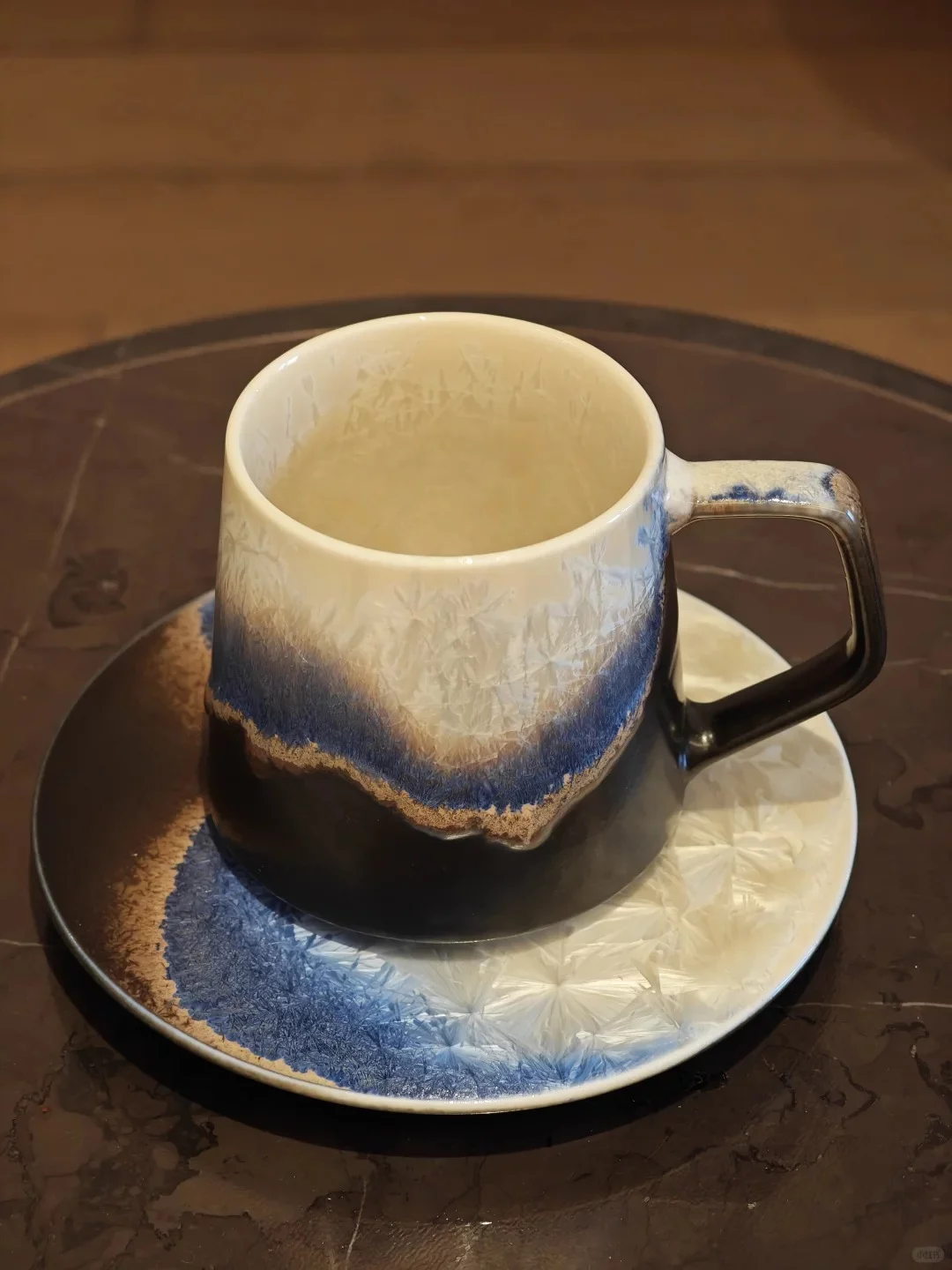
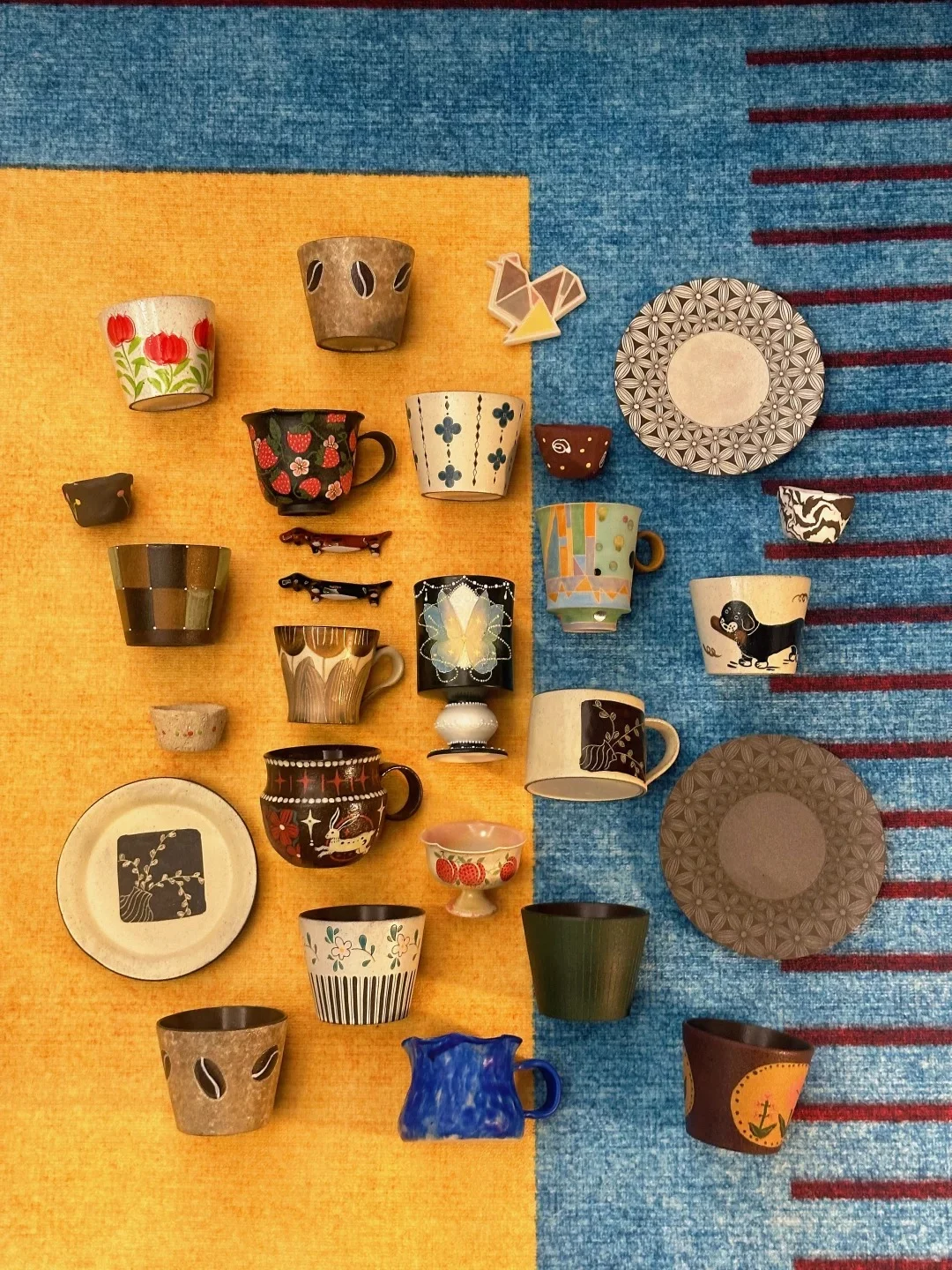
Carried forward
KKCN began as a handmade workshop on Doufunong old street in 1996, in the decade when the state factories gave way to family workshops. Our founder He Jiang, a fourth-generation porcelain maker, is a registered intangible-heritage inheritor of traditional porcelain-making techniques. Since 2023 we have concentrated on training artisans and building a digital archive of our craft.
Throwing at the wheel in our Doufunong workshops.
01
Song-style celadon and undecorated white porcelain sit as easily in a modern room as an old one, thrown and glazed by hand in Jingdezhen. Current references are sent on request, and new colors are approved on a fired sample.
02
Restyle a proven form, reshape an existing one or build a new form. Our designers start from a sketch, a photo or a product you already sell, and every new form is sampled first.
03
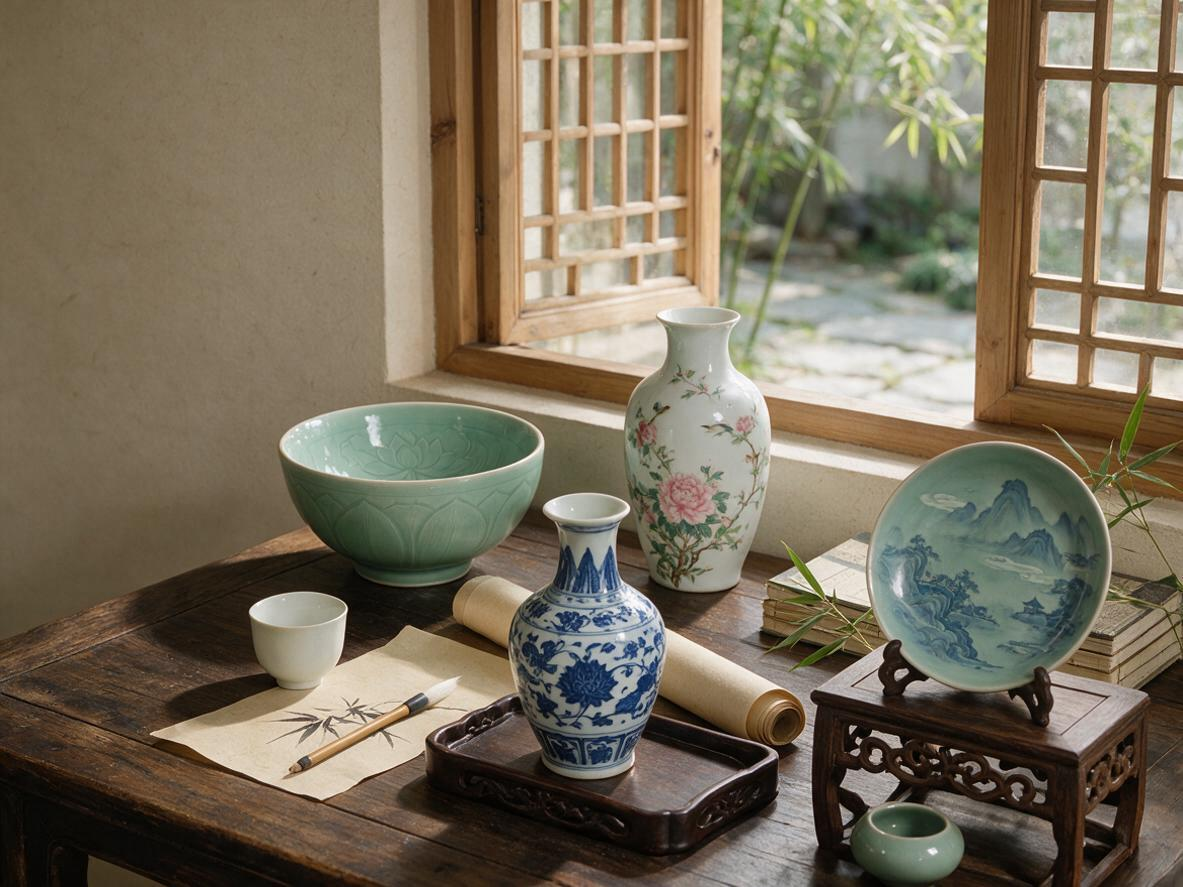
Blue and white, celadon, painted enamel and custom pieces, each with a PP number and photographed in our factory studio. Order a single piece, or mix references from 10 pieces.
Modern Jingdezhen, asked
Qing before, collections after
Made today
Blue and white, celadon, painted enamel and custom pieces.
All eight eras
All eight chapters, cave pottery to today.
Make it now
Send a sketch, a mood board or the room the piece is for, with the quantity you have in mind. Lin Wan replies within 1–2 business days with the making route, the sample plan and a price.
hejiang@knockingcn.com · WhatsApp +86 197 1171 3584