
Resources
Buyer guides from Jingdezhen
Ten guide collections on sourcing, craft and selling Chinese porcelain, written by our export team.
Browse all guides ↗ Resources
Buyer guides from Jingdezhen
Ten guide collections on sourcing, craft and selling Chinese porcelain, written by our export team.
Browse all guides ↗
Stage 03 of 06 · Slow air, sharp tools
The soft form dries slowly and evenly, then returns to the wheel at leather-hard, where a trimmer cuts the foot ring and refines wall and rim by hand.
Hand trimming
Freshly thrown porcelain holds a great deal of water, and that water has to leave evenly. If one side dries faster than the other, the form pulls out of shape or cracks at the rim. Pieces dry slowly in our Doufunong workshops, turned and kept out of drafts, until the clay is leather-hard: firm enough to hold, soft enough to cut. Then the trimmer takes over. Jingdezhen has long treated trimming as its own specialty, separate from throwing, and it decides much of what a buyer feels in the hand. The form is set upside down on the wheel and shaved with steel tools until the wall is even, the weight sits right and the foot ring stands clean. Relief carving and sgraffito are cut at this same leather-hard point, before the piece dries through.
Where · Doufunong workshops | Led by · hand trimmers, working to the confirmed sample | Hands on to · Glazing & decoration
Trimming a porcelain foot ring on the wheel
Dry, then cut
01
Fresh forms dry on boards away from drafts and direct sun, turned so every side loses water at the same pace. Rims and handles dry fastest, so they are watched most closely.
02
When the clay is firm but still cool to the touch, the piece is centered upside down on the wheel. The trimmer shaves the outer wall until its thickness matches the specification from rim to base.
03
The foot ring is cut from the extra clay the thrower left low on the form, then beveled so the piece sits flat. A base mark or engraved logo goes in now, while the clay still takes a clean line.
04
Carving and sgraffito are cut, the surface is wiped smooth, and the piece dries through. Bone-dry forms are checked before glazing, and any with a crack, warp or thin spot are taken out of the run.
What trimming decides
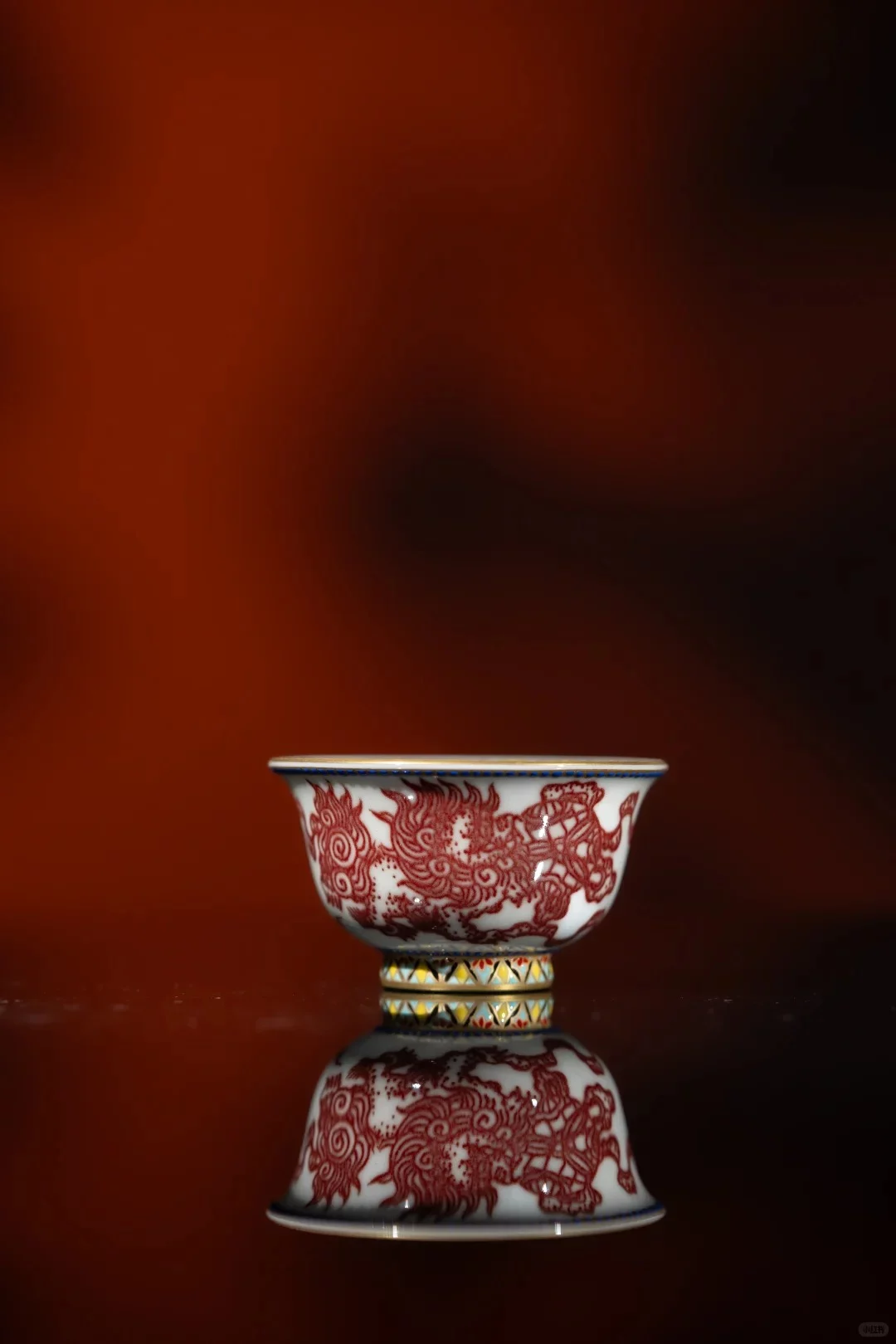
Trimming moves weight from where the thrower left it to where the form needs it. A well-trimmed cup feels lighter than it looks and settles into the palm without tipping toward the rim.

A foot ring cut true and beveled at the edge lets a dish or vase sit level on a table or shelf without rocking. The inside of the ring is finished as carefully as the face a buyer sees.
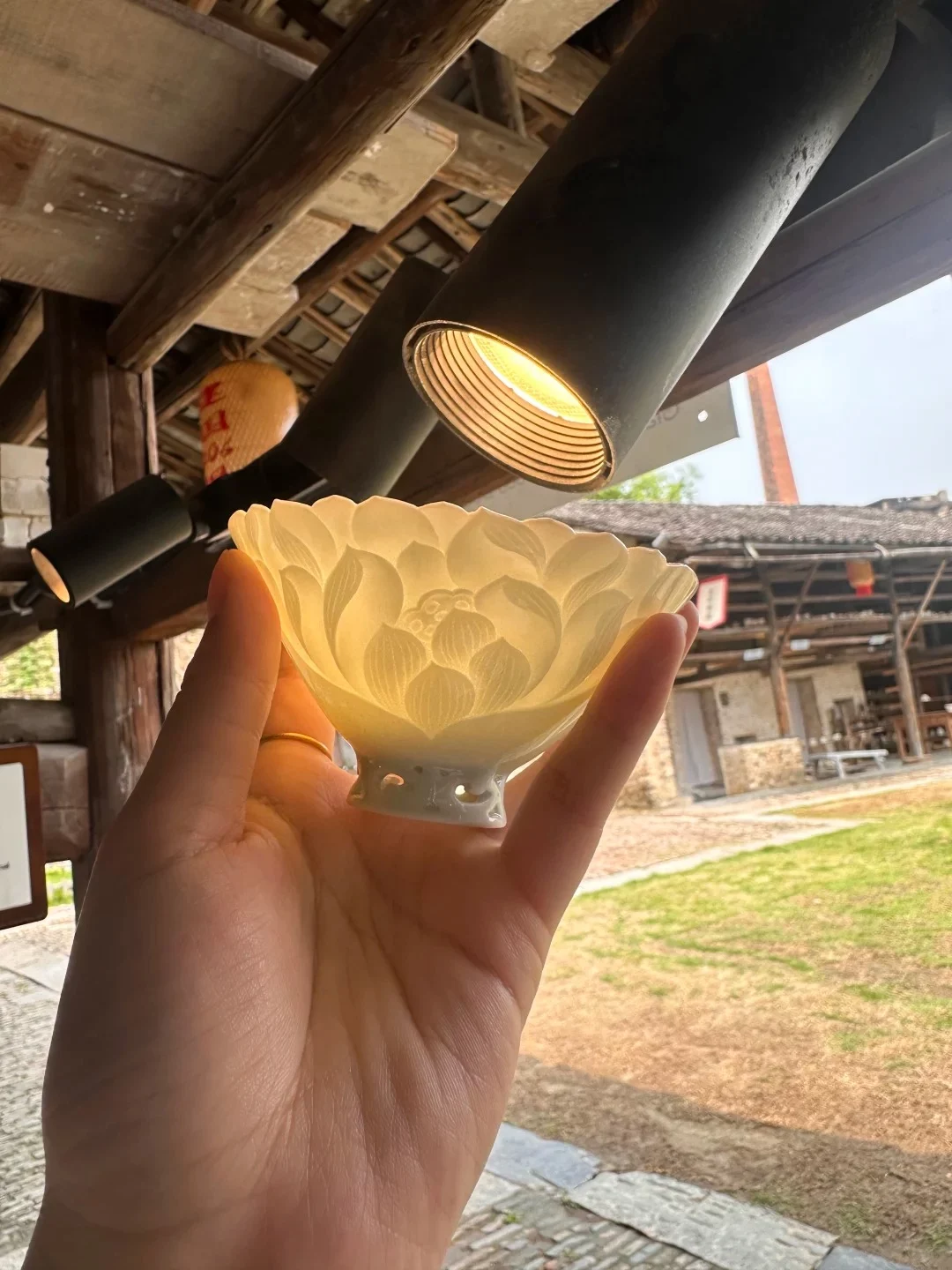
Relief carving cut at leather-hard keeps sharp, clean edges for the glaze to pool against. Cut while too wet, the line smears; cut too dry, it chips. The timing belongs to this stage.
Trimming is where a written size becomes a real wall. These are the limits we sign into a contract, with our hotel line as a worked example.
Why rim thickness and plate weight matter in a busy kitchen is covered in our hotel tableware buying guide.
| Figure | Value |
|---|---|
| Size tolerance | ±3% within a style |
| Weight tolerance | ±8% within a style |
| Total shrinkage | 14–16% from wet clay to fired porcelain |
| Hotel-line rim | Rolled and reinforced, 3.2–4.0 mm thick at the edge |
| 27 cm dinner plate | About 720–820 g |
| Foot | Cut true and wiped bare of glaze, so it sits level and never fuses to the kiln shelf |
Before glazing
Wall, foot and rim are measured against the sizes and tolerances in your signed standard, and any piece that fails is removed before it reaches the glaze.
Trimming questions
Between wheel and glaze
Next stage
How the dry body is painted and glazed before it goes into the kiln.
Specify the details
Tell us how the piece should feel in the hand and how it will be used. We reply within 1–2 business days with the wall and foot we would trim for it. Contact us at hejiang@knockingcn.com · WhatsApp +86 197 1171 3584