Resources
Buyer guides from Jingdezhen
Ten guide collections on sourcing, craft and selling Chinese porcelain, written by our export team.
Browse all guides ↗ Resources
Buyer guides from Jingdezhen
Ten guide collections on sourcing, craft and selling Chinese porcelain, written by our export team.
Browse all guides ↗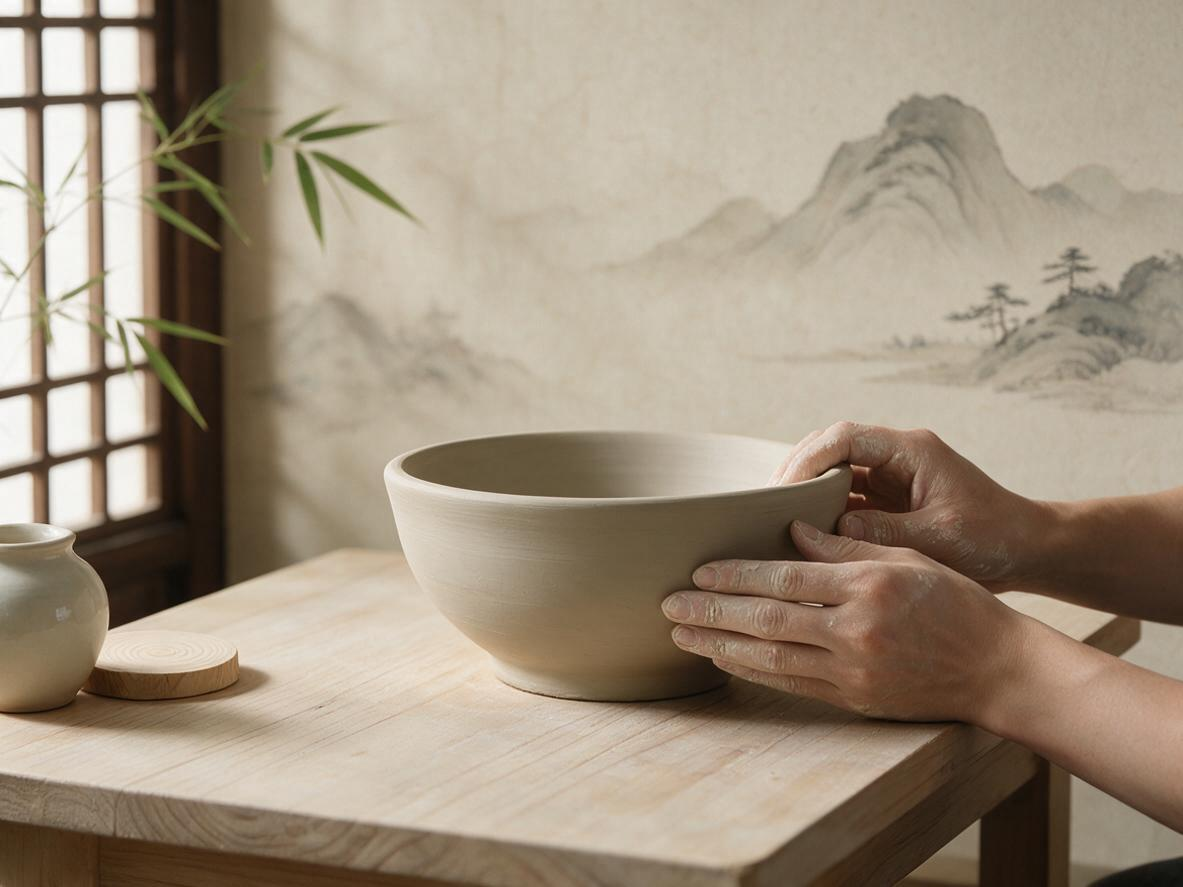
Shape before surface
At our Jingdezhen factory, the prepared body takes its shape here: thrown for round forms, cast for complex ones, sculpted where a piece needs it, and sized for the shrinkage ahead.
Thrown in Doufunong
Cups, bowls, jars and vases with a round section are thrown by hand on the wheel in our Doufunong workshops. Throwing gives a porcelain wall that thins and thickens where the form asks for it. That is what makes a rim feel light and a foot feel steady. Forms a wheel cannot turn, such as angular vessels, lobed shapes and complex bodies, are cast in molds. For very large standardized runs, our Dehua partners cast high-white bodies, and those pieces come back to Jingdezhen for glazing, firing and inspection. Relief carving and sculptural forming are worked by hand on top of either route. Every form starts from a written finished size. Porcelain shrinks in drying and again in the kiln, so each piece is made larger than the size you will receive.
Where · Doufunong workshops, with Dehua partners for cast high-white bodies | Led by · He Jiang’s craft standards | Hands on to · Drying & trimming
A porcelain form thrown on the wheel in Jingdezhen
Ball of clay to form
01
The thrower presses the clay into the exact center of the turning wheel. A body that runs even slightly off-center throws a wall of uneven thickness, and that wall warps later in the kiln.
02
The clay is opened from the top and the wall drawn up in several slow pulls, thinner toward the rim. Extra weight is left low on the form, to be trimmed away into the foot at the next stage.
03
Height, diameter and profile are measured against the dimensions in the standard, enlarged to allow for shrinkage. Pieces in a set or a repeat run are thrown to the same measurements, so they still match after firing.
04
Handles, spouts and knobs are attached while the clay is still soft. Relief and sculptural detail is cut by hand. Forms a wheel cannot make are cast in molds and then finished by hand in the same way.
What the form decides
01
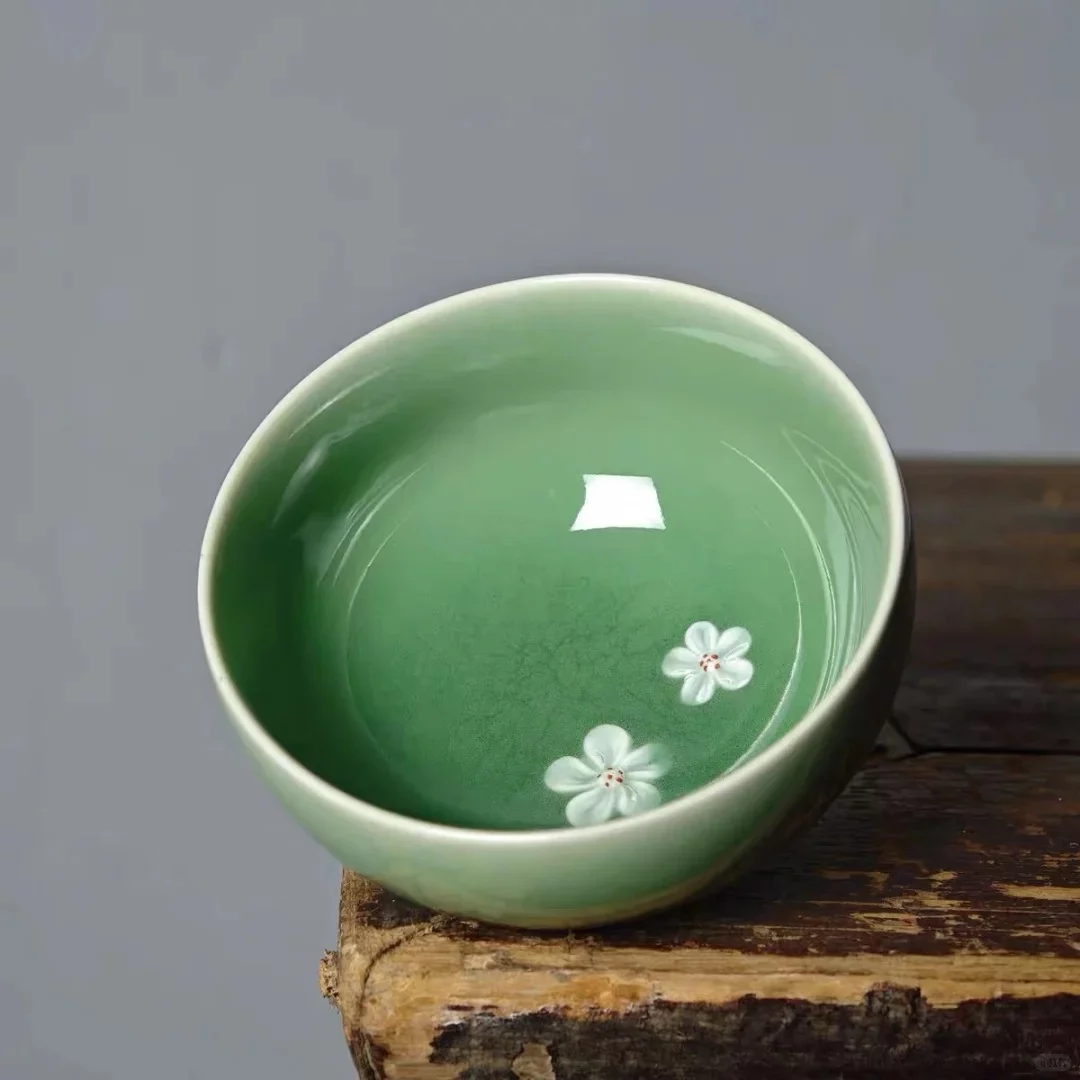
The wall is drawn thinner toward the rim on the wheel, so a cup or bowl feels lighter at the lip than its size suggests. Trimming refines the line later, but the thickness is set here.
02
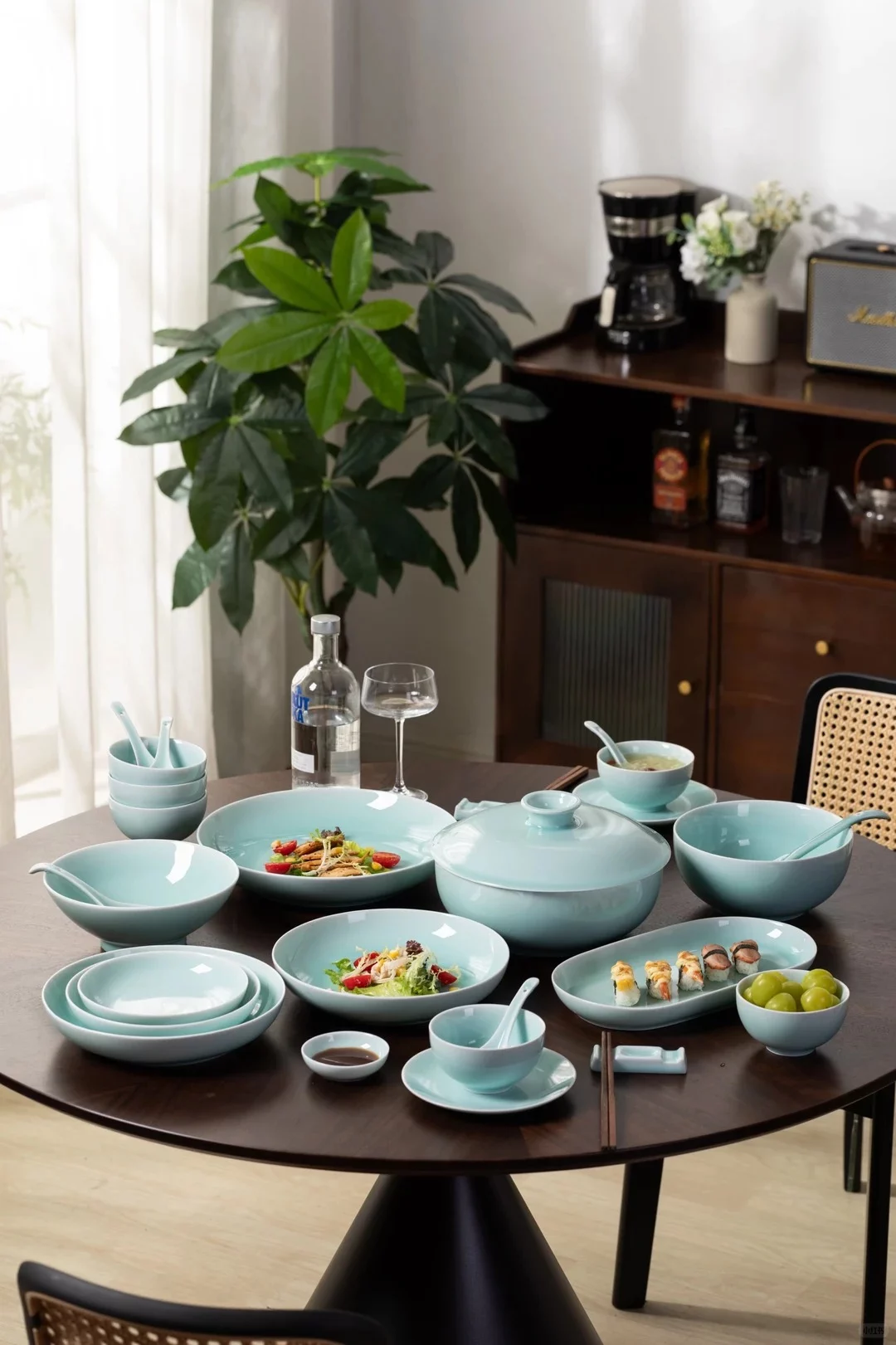
A form centered and thrown evenly keeps its balance through drying and firing. A vase stands upright, a lid sits level, and a set of bowls nests one inside another.
03
Angular vessels and lobed shapes cannot be thrown. They are cast in molds, often in a high-white Dehua body, and their seams and edges are cleaned by hand before drying.
A new shape on a mold costs $450–800 for a simple form and $800–1,600 for a complex or multi-part one, covering the 3D model, the master mold and one set of working molds. Extra working molds for a long run are $120–300 a set. We keep more than 1,200 molds, and a mold you pay for is yours and never used for another brand.
The full path from sketch to approved sample is in our custom porcelain product development guide.
| Route | Best for | How even a run is |
|---|---|---|
| Thrown on the wheel | Round cups, bowls, jars and vases | Each piece slightly individual, held within ±3% in size and ±8% in weight |
| Slip cast in plaster molds | Non-round, thin or complex forms and high-white bodies, cast with our Dehua partners | The most even route for long repeat runs |
| Pressed in molds and joined | Figures and large sculptural pieces, such as sancai horses made in sections | Even in form, finished by hand at every joint |
| Carved or modeled by hand | Relief, openwork and one-off figures such as wedding portraits | One of a kind; one-off commissions from 1 piece |
Before drying
A changed or new form follows one of three development routes, starting from a library of 1,200+ molds and form references.
Forming questions
Either side of the wheel
Previous stage
How kaolin and porcelain stone become a body ready for the wheel.
Next stage
How the soft form is dried evenly and its foot and rim refined.
All six stages
From the first blend to the last check.
Start from a shape
Send the form, its finished sizes and how many you need. We reply within 1–2 business days with how we would make it: thrown, cast or sculpted. Email hejiang@knockingcn.com · WhatsApp +86 197 1171 3584