
Resources
Buyer guides from Jingdezhen
Ten guide collections on sourcing, craft and selling Chinese porcelain, written by our export team.
Browse all guides ↗ Resources
Buyer guides from Jingdezhen
Ten guide collections on sourcing, craft and selling Chinese porcelain, written by our export team.
Browse all guides ↗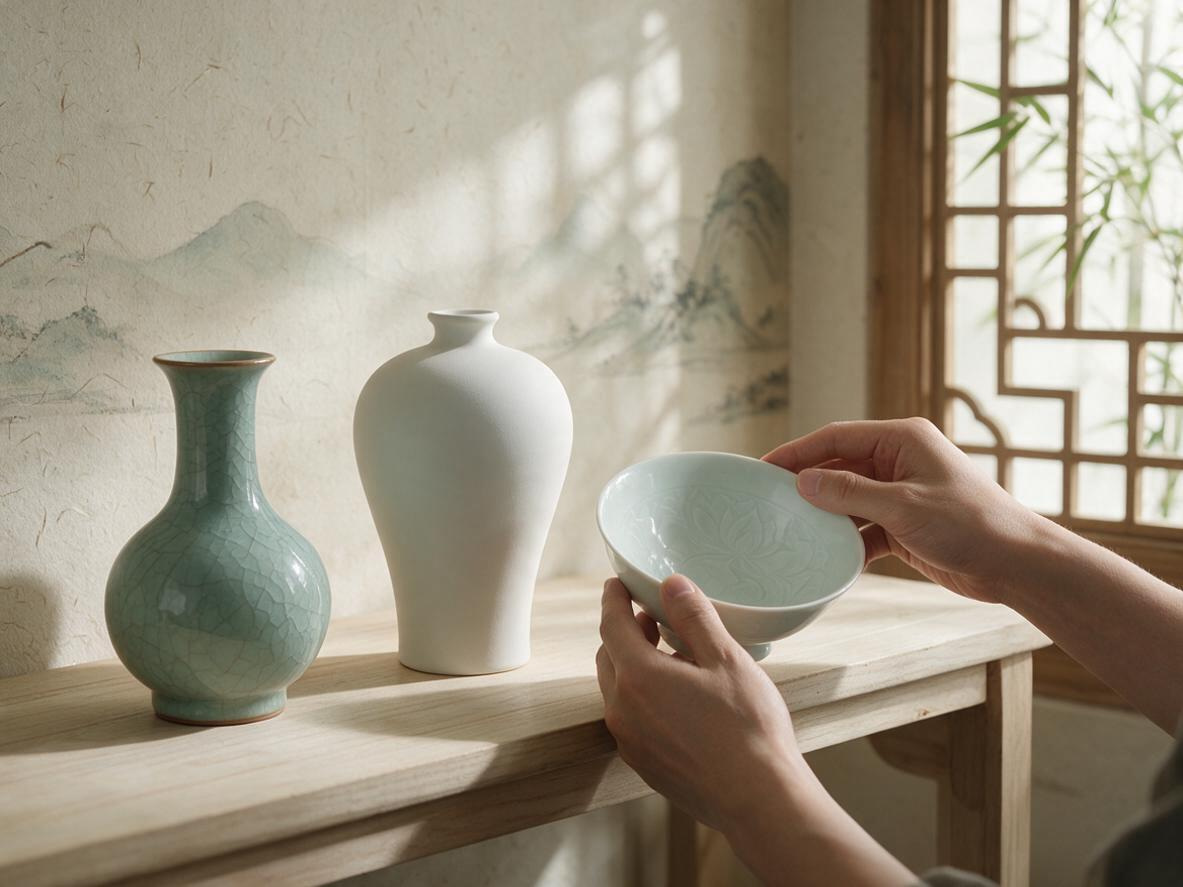
The last hands
Every finished piece, from our own workshops and our partner kilns, is inspected by hand in Jingdezhen before it is counted, matched into sets and packed.
At the inspection table
Final selection takes place in the finished-product inspection and warehousing center at our Jingdezhen headquarters. Every piece reaches it, whether it comes from our Doufunong workshops, Ge, Ru, Jun and Sancai pieces included, or is a Dehua body fired here. Inspectors work through an order one piece at a time, with the confirmed sample on the table beside them. They look at the body, the form, the painting and the glaze, measure the critical sizes, and sort every piece into one of two groups: within your signed range, or pulled. This is the third and last level of our inspection system, run by Li Qiusheng’s team. Pieces drawn from the run also go for high-temperature, food-contact and stability tests.
Where · finished-product inspection and warehousing center, Jingdezhen headquarters | Led by · Li Qiusheng’s quality team | Hands on to · Packing
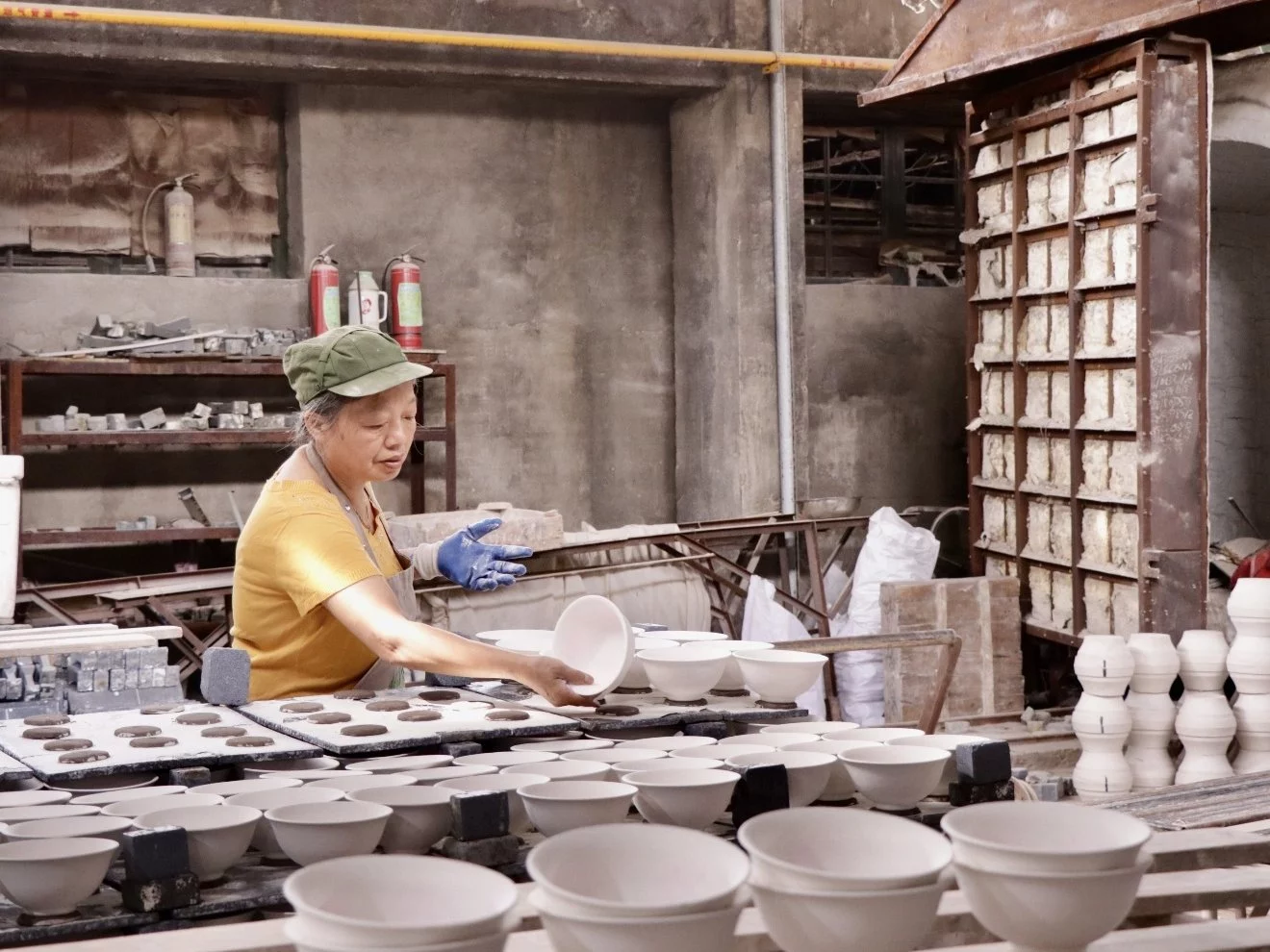
Finished pieces sorted against the confirmed sample
Table to packing
01
Pieces arrive from the kiln with dust and shelf grit on them. Each is wiped clean and its foot ring smoothed, so the surface the inspector sees is the one your customer will see.
02
The confirmed sample sits on the table. Each piece is compared with it in hand and under even light, and its critical sizes are measured. Anything outside the signed range is pulled and recorded.
03
Cups, bowls, saucers and lids are grouped by tone and size so a set reads as one. Lids stay with the bodies they were made for, as they have since forming.
04
Passed pieces are counted against the order, and the pass and pull figures go into the inspection record. Lin Wan confirms the packed count with you before the cartons close.
What each stage left
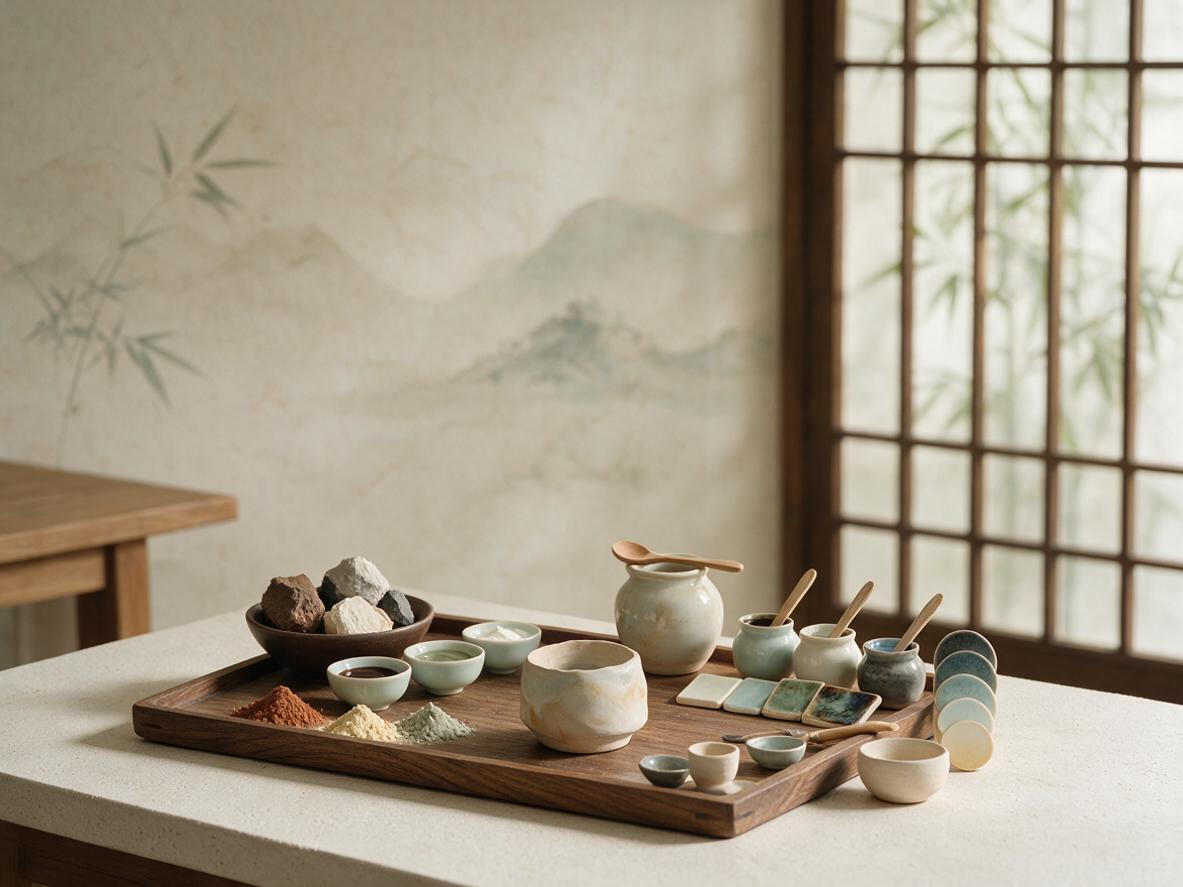
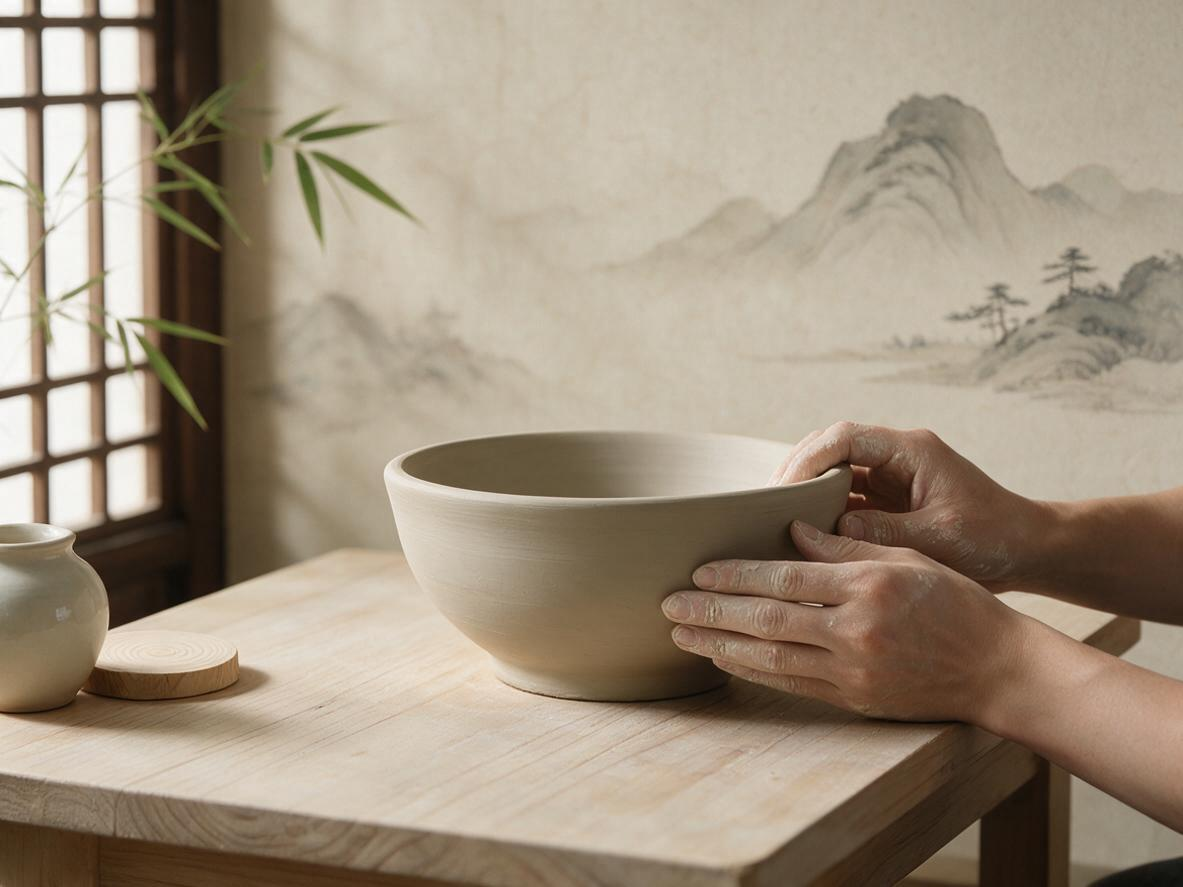
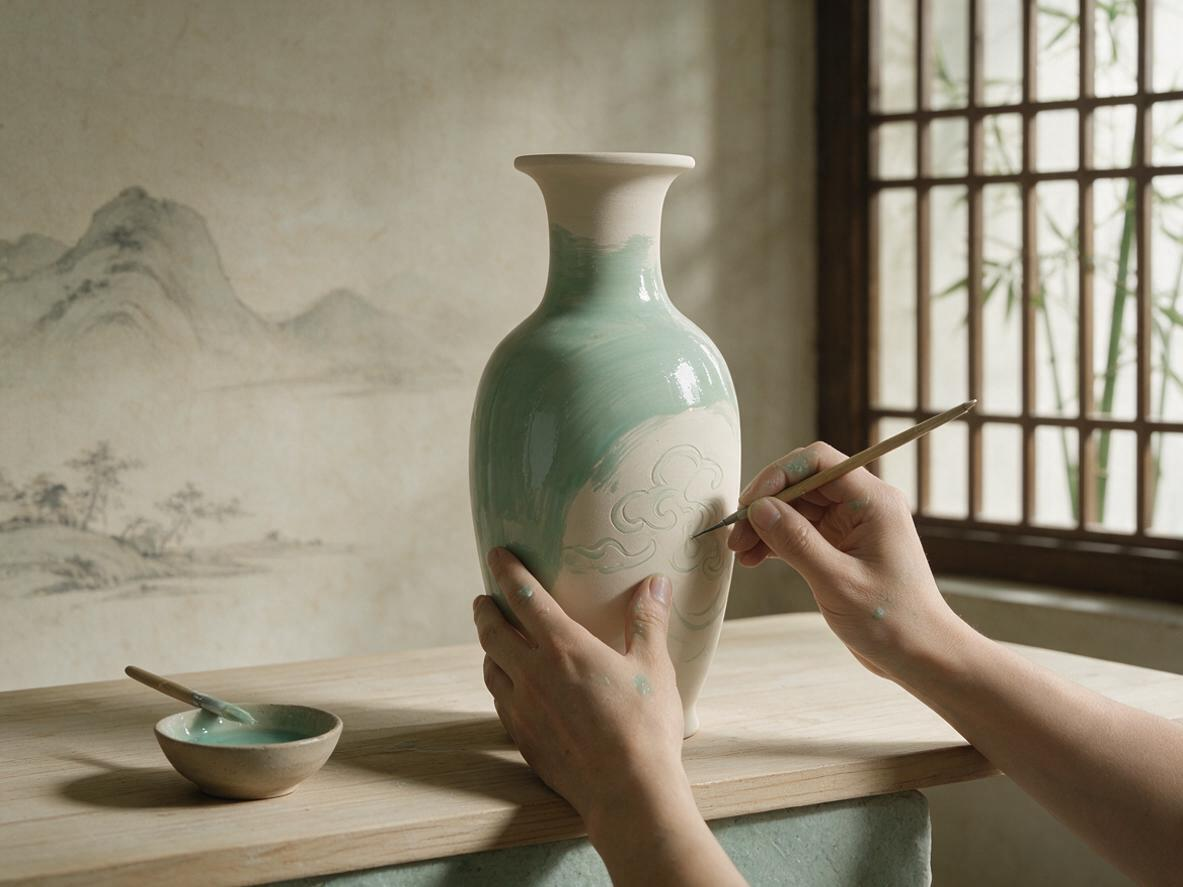
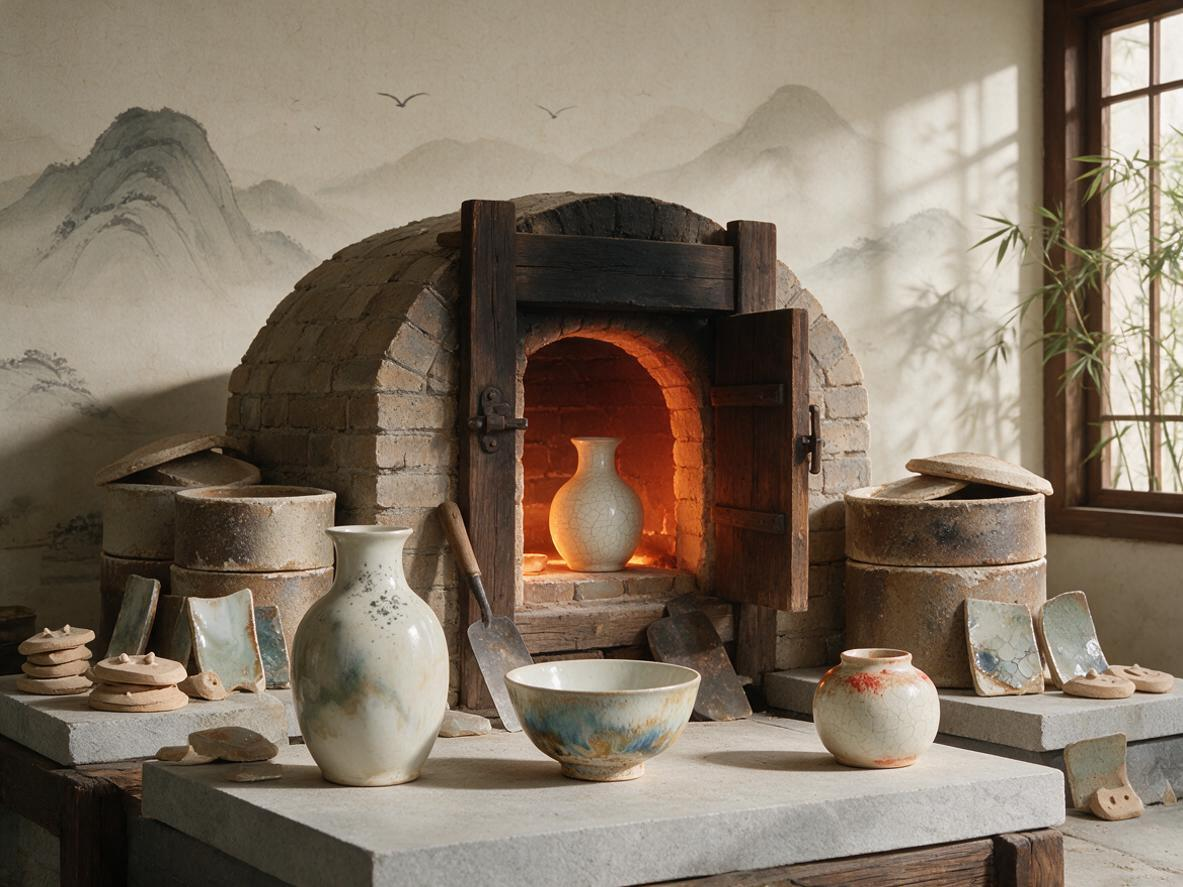
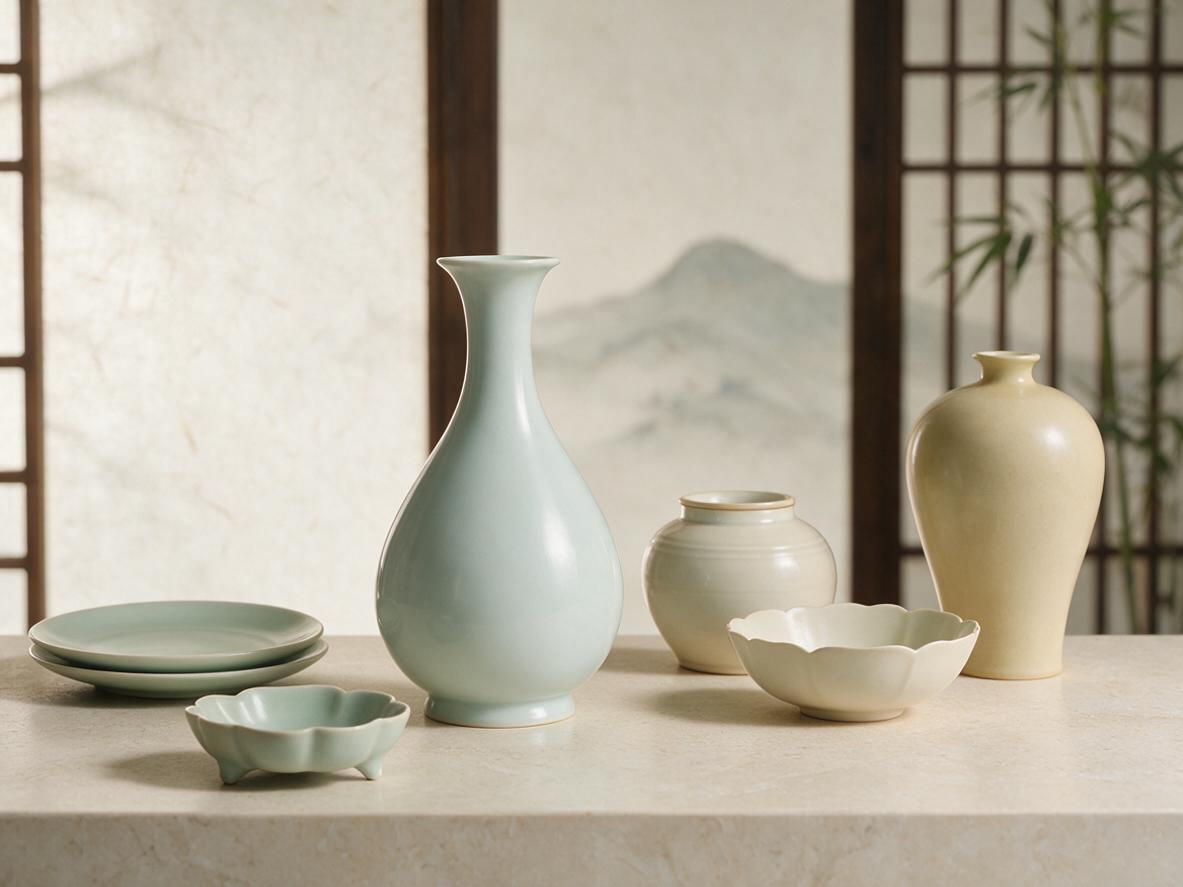
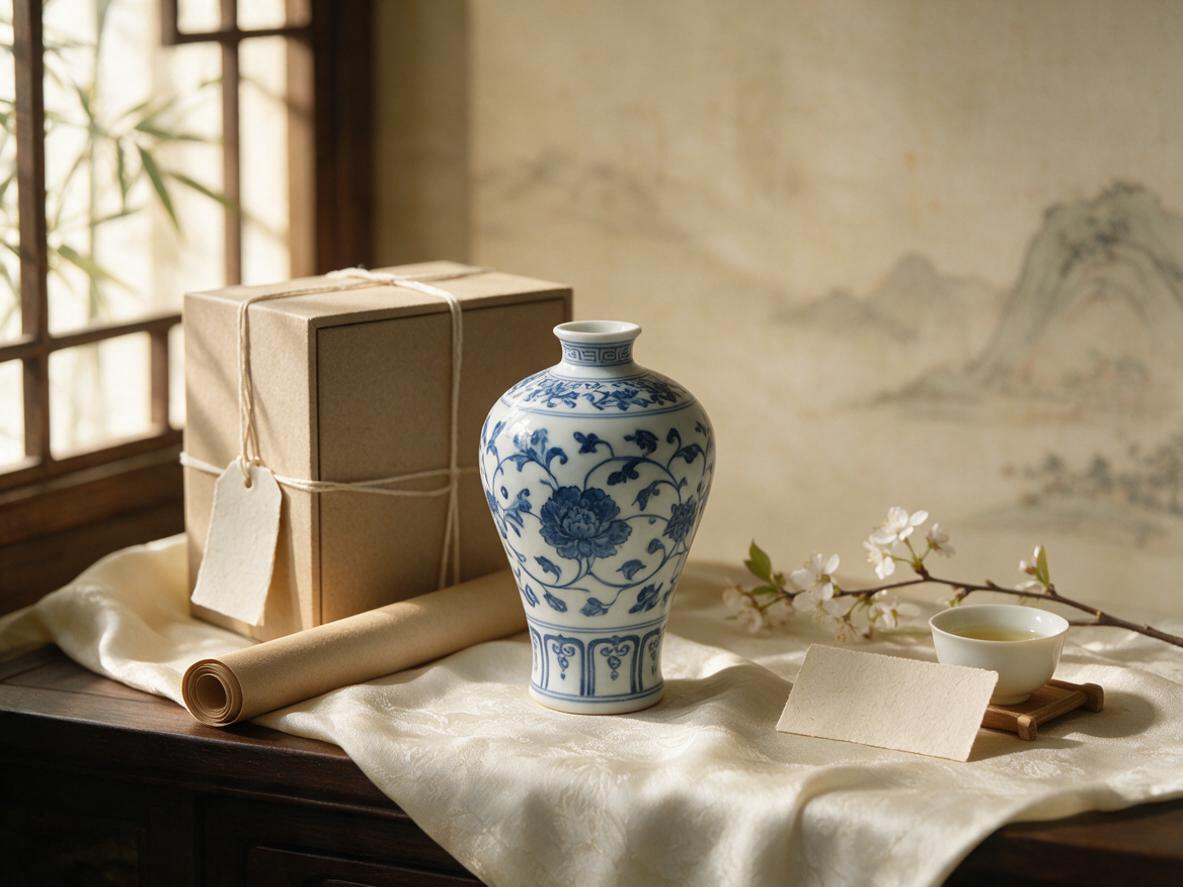
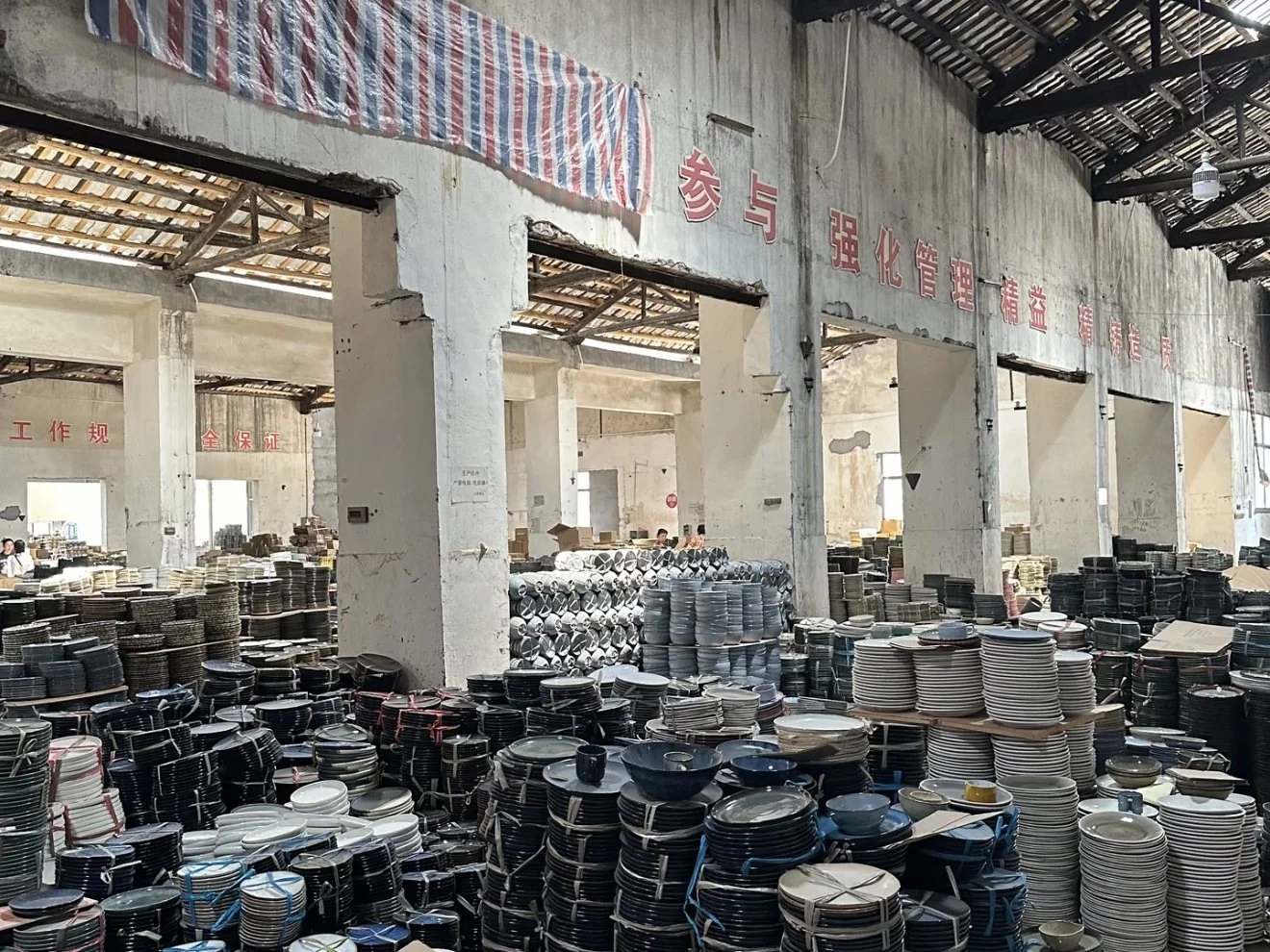
“A good piece tells the truth in three seconds under inspection,” says Li Qiusheng, our quality management lead. The tolerances and AQL sampling plans themselves are listed on Quality Control; this is how release works at the table.
For lab reports and what to ask a supplier, see our ceramic tableware compliance guide.
| Step | What happens |
|---|---|
| Three inspection levels | Every order passes three levels, led by Li Qiusheng's team |
| Finished pieces | 100% inspected against the confirmed sample before packing |
| Stock orders | A second full inspection before dispatch, included in the 3–7 working days |
| Inspection record | Pass and pull figures recorded for each order, and the packed count confirmed with you before shipment |
| Breakage in transit | 0.6% or less on full containers, 1.8% or less on shared ones, counted in pieces |
| If pieces arrive broken | Up to 3% replaced at equal value in your next order; above 3%, replaced free or credited |
At release
How each characteristic is classed, as fixed, configurable, natural variation or defect, is agreed before production.
Selection questions
Between kiln and carton
Set the standard
Send the piece, its use and the details your customers will notice first. Lin Wan replies within 1–2 business days, and those details go into the standard our inspectors work to. Contact us at hejiang@knockingcn.com · WhatsApp +86 197 1171 3584