A tea caddy painted the old way
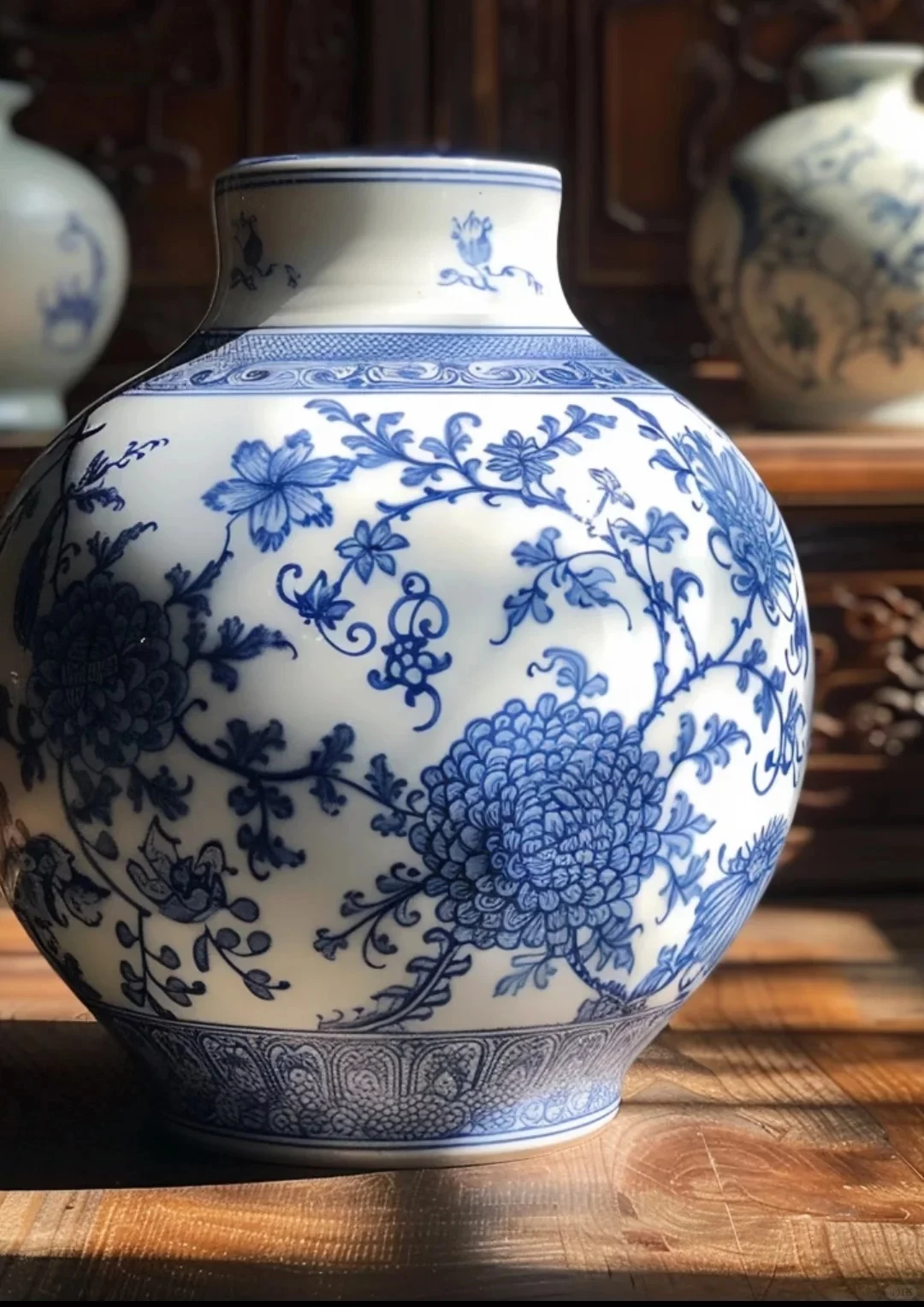
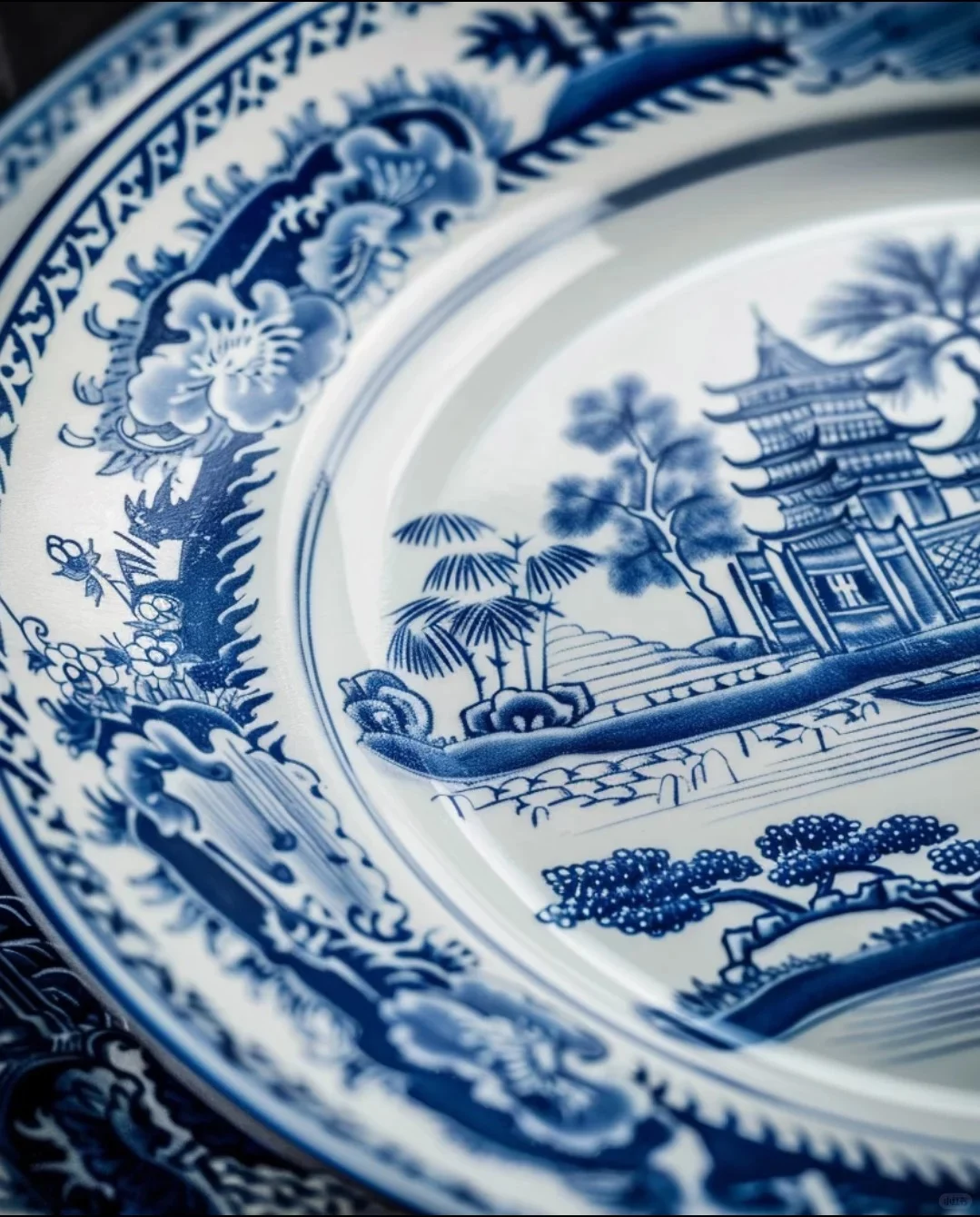
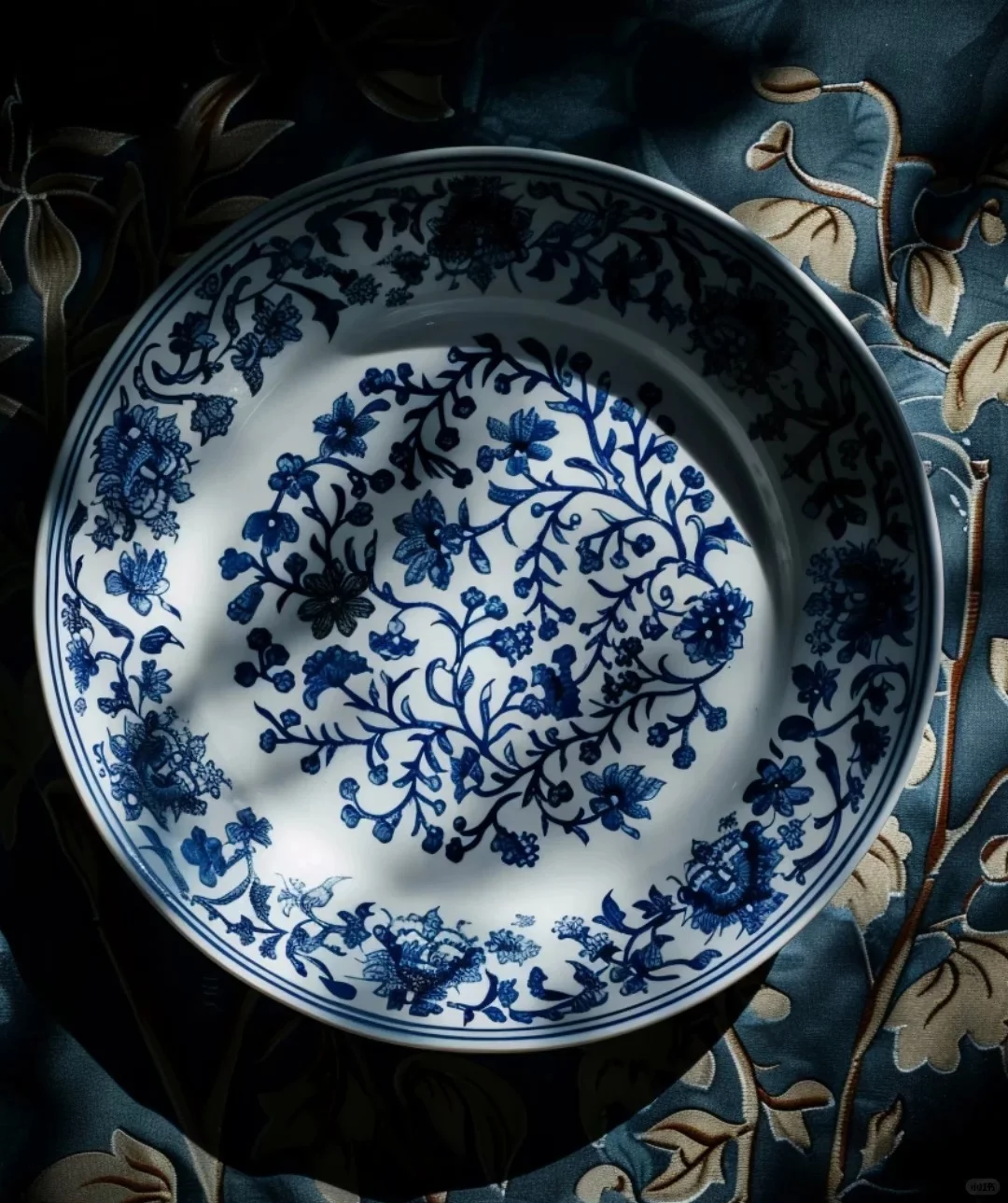
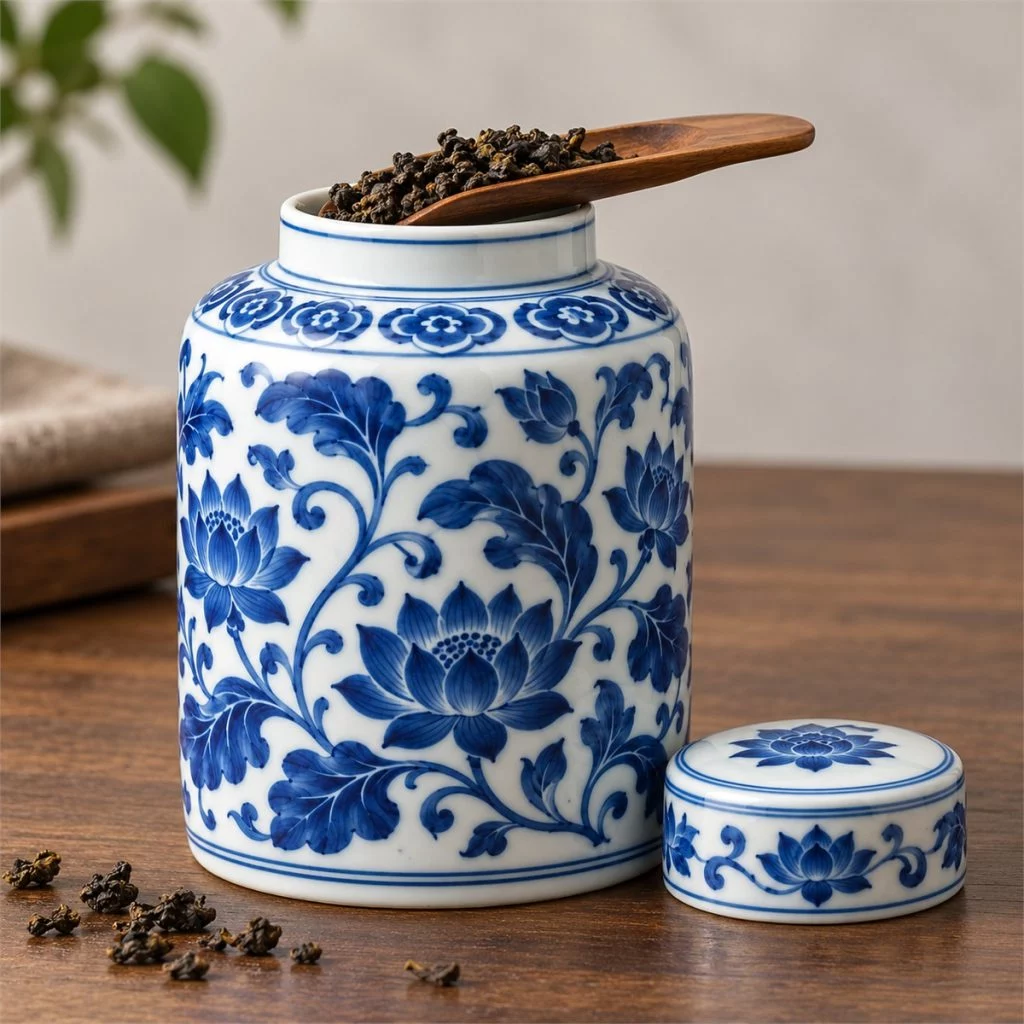
Blue and white is the porcelain most people picture when they hear the word Jingdezhen, and a tea caddy is one of the shapes it has decorated longest. The method has not changed in centuries: a painter brushes cobalt onto the raw porcelain, the piece is dipped in clear glaze, and one high firing turns the gray-black pigment into the deep blue you see.
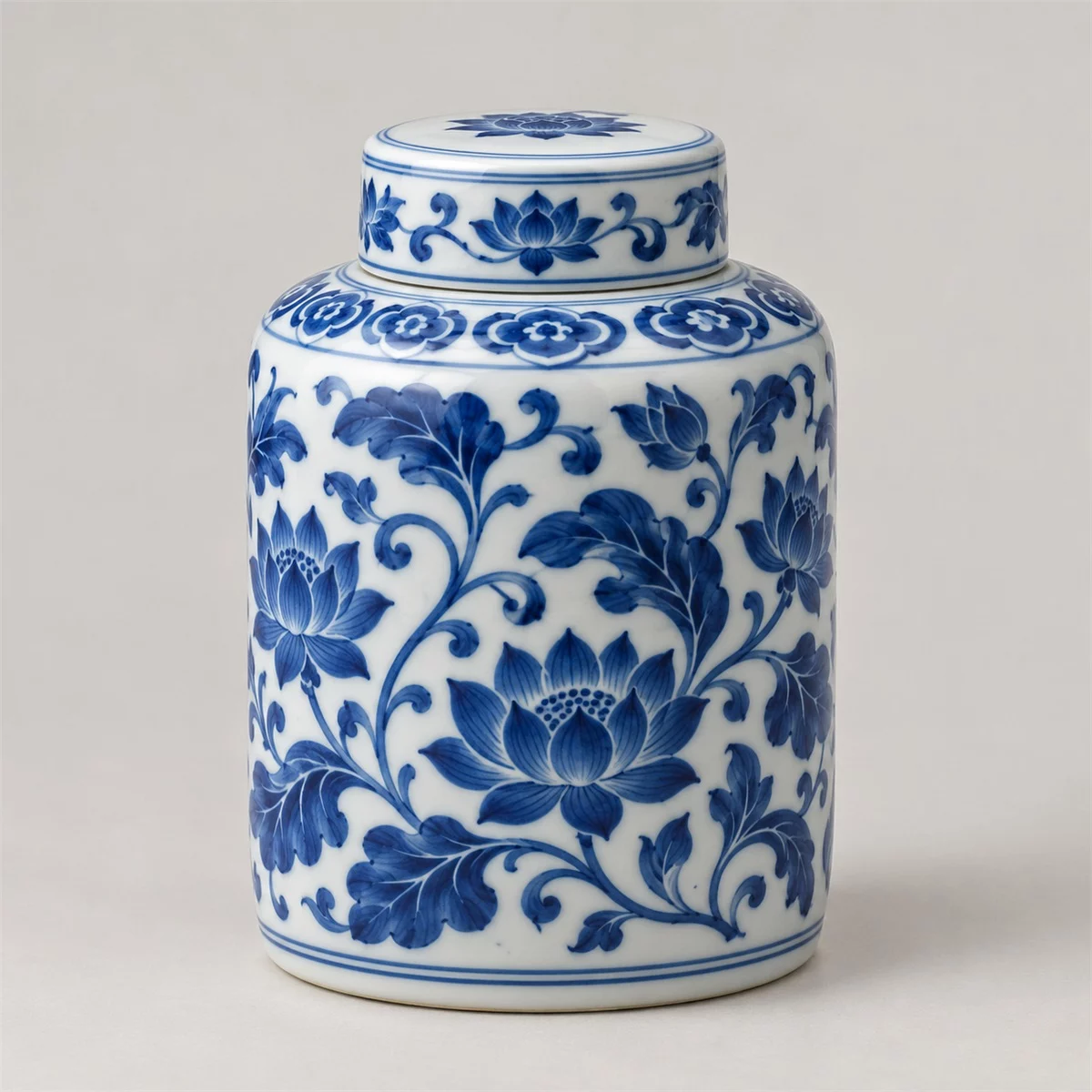
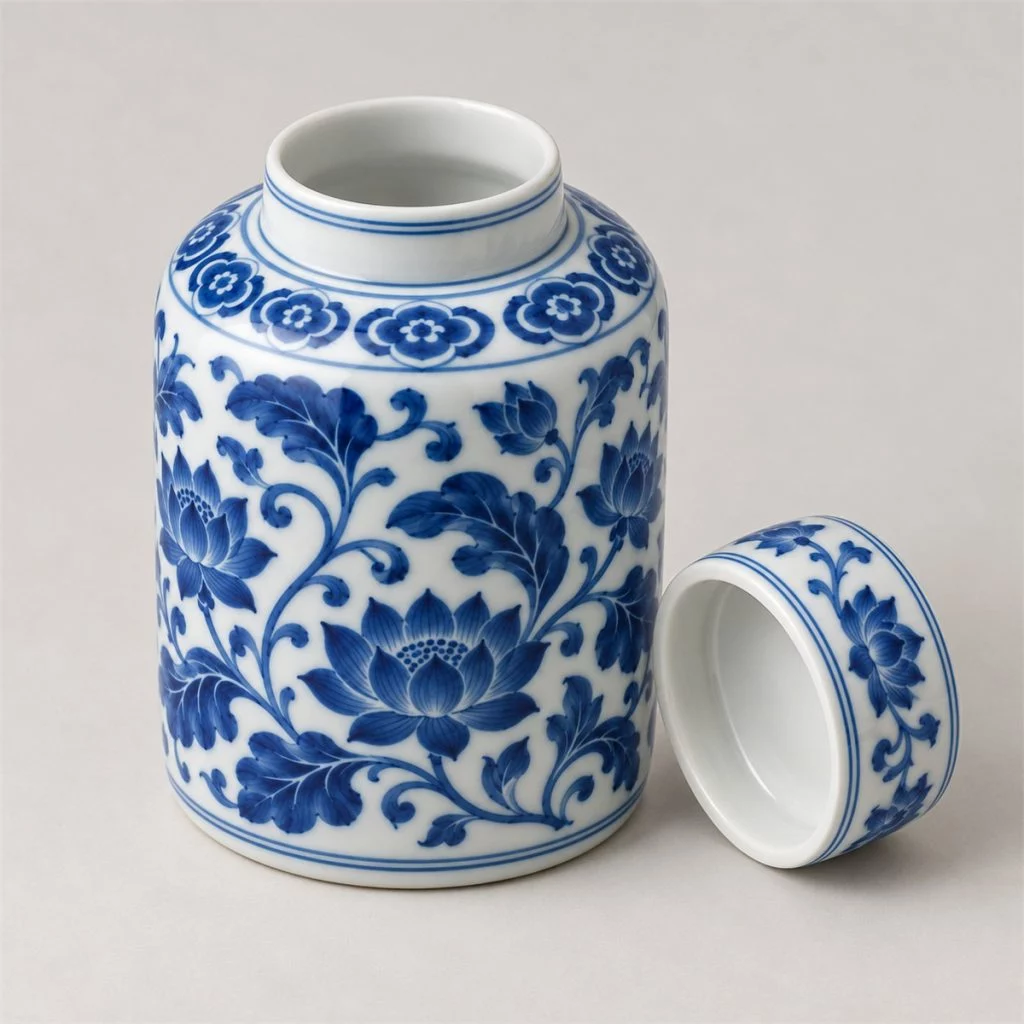
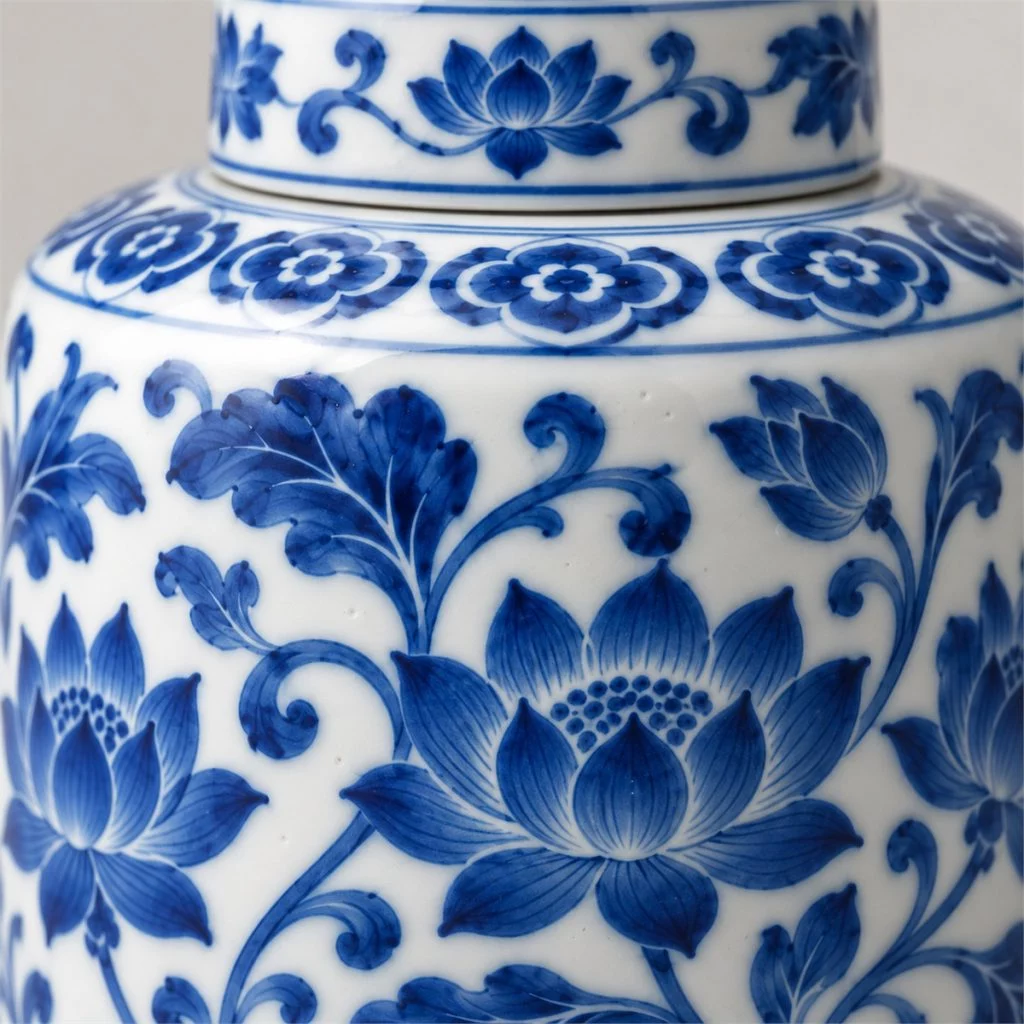
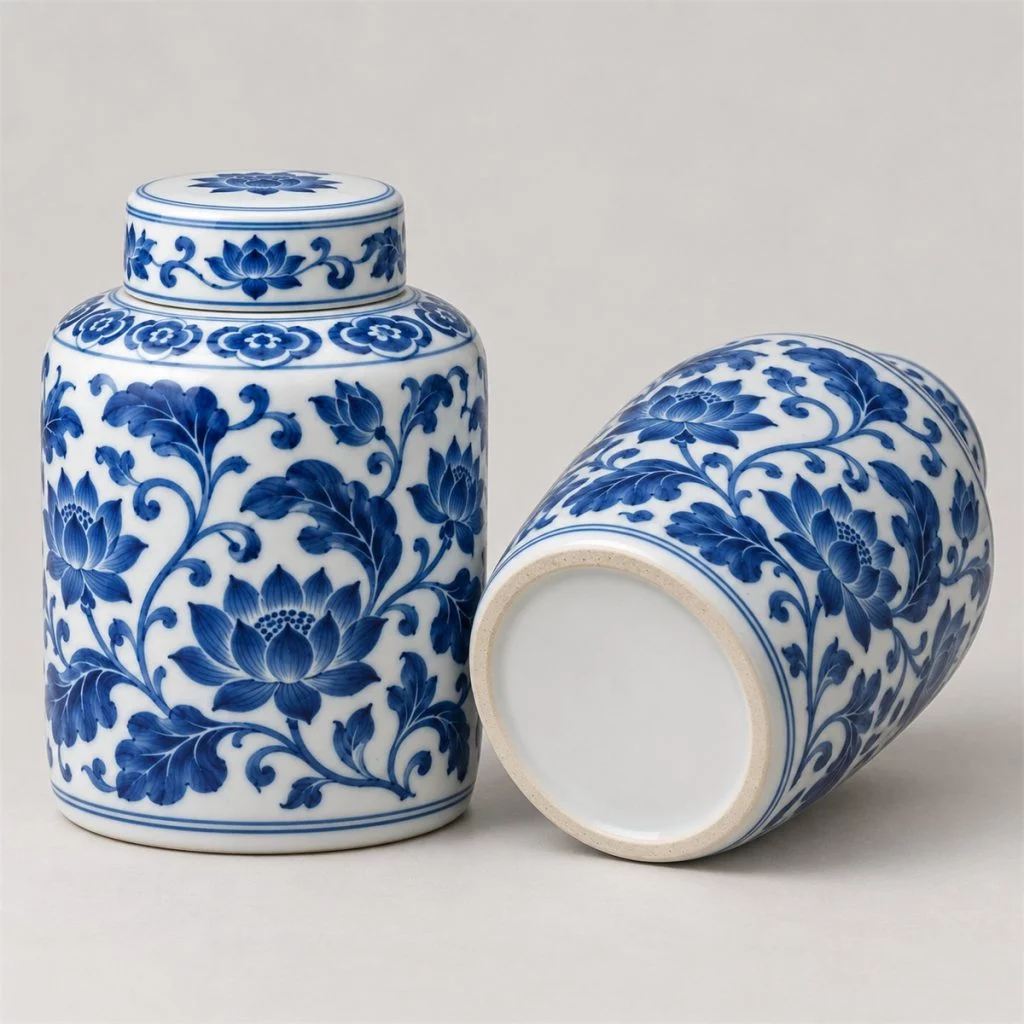
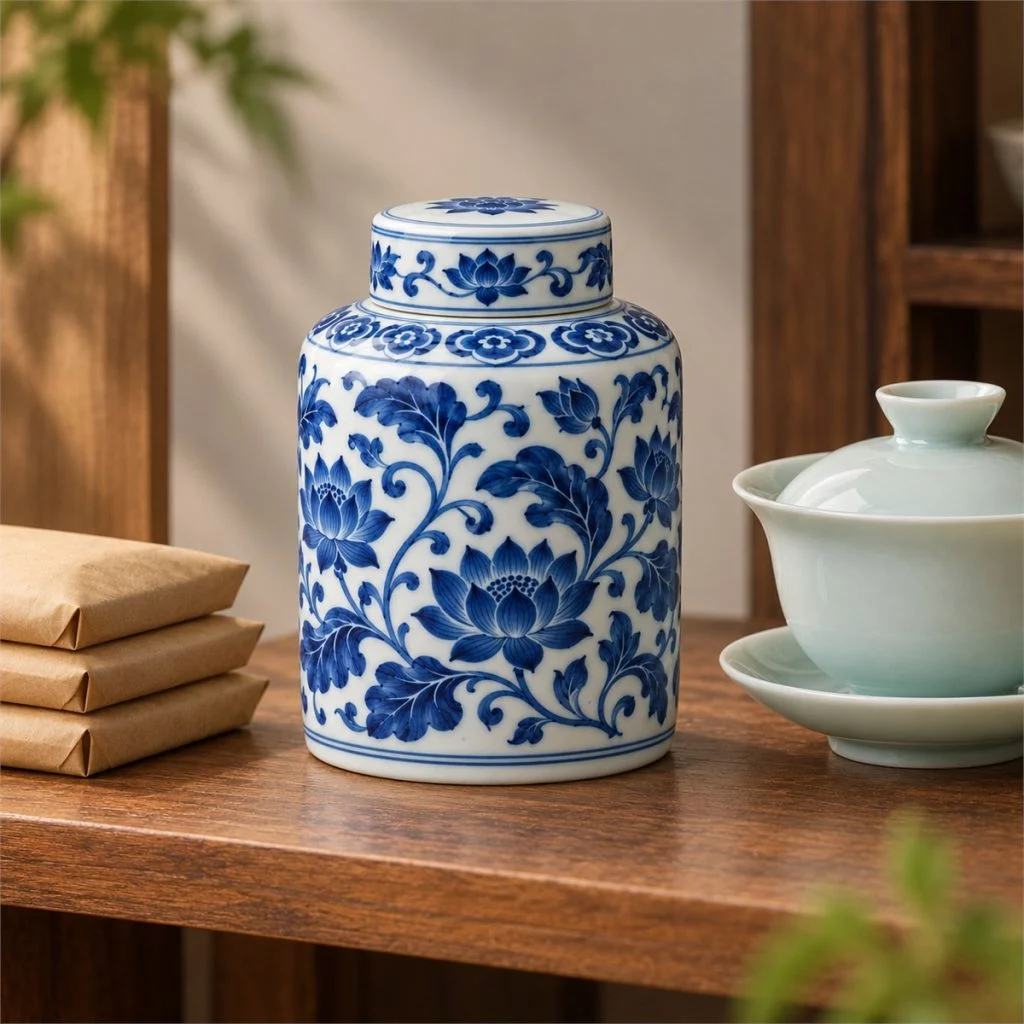
The pattern is an entwined lotus scroll, the most painted motif in Jingdezhen blue and white: full lotus flowers linked by curling stems and leaves that run all the way around the body, with a band of small cloud-collar motifs on the shoulder and a lotus on the lid. Painters learn it early and keep refining it for life, which is why the leaves on a good piece look drawn in one movement.
Because the blue lies under the glaze, it is sealed in. Lids get lifted daily, caddies get moved around shelves and wiped down, and the decoration stays as it left the kiln. That is a practical reason tea shops prefer underglaze blue on pieces that work for a living.
Each caddy is painted by hand in our Jingdezhen factory, so the brushwork varies a little from one to the next. Line weight, the depth of the washes and the spacing of the motif all show the painter’s hand. Order a dozen and you get a dozen caddies that clearly belong together, with no two exactly alike.
It is held in our Americas stock in Los Angeles and Toronto alongside the yingqing and Ru tea ware, so a shop can build a whole counter of Jingdezhen tea ware from one supplier and restock any of it within seven days.
Shops planning a full tea range around pieces like this caddy can start with our guide to Chinese tea ware.