
Resources
Buyer guides from Jingdezhen
Ten guide collections on sourcing, craft and selling Chinese porcelain, written by our export team.
Browse all guides ↗ Resources
Buyer guides from Jingdezhen
Ten guide collections on sourcing, craft and selling Chinese porcelain, written by our export team.
Browse all guides ↗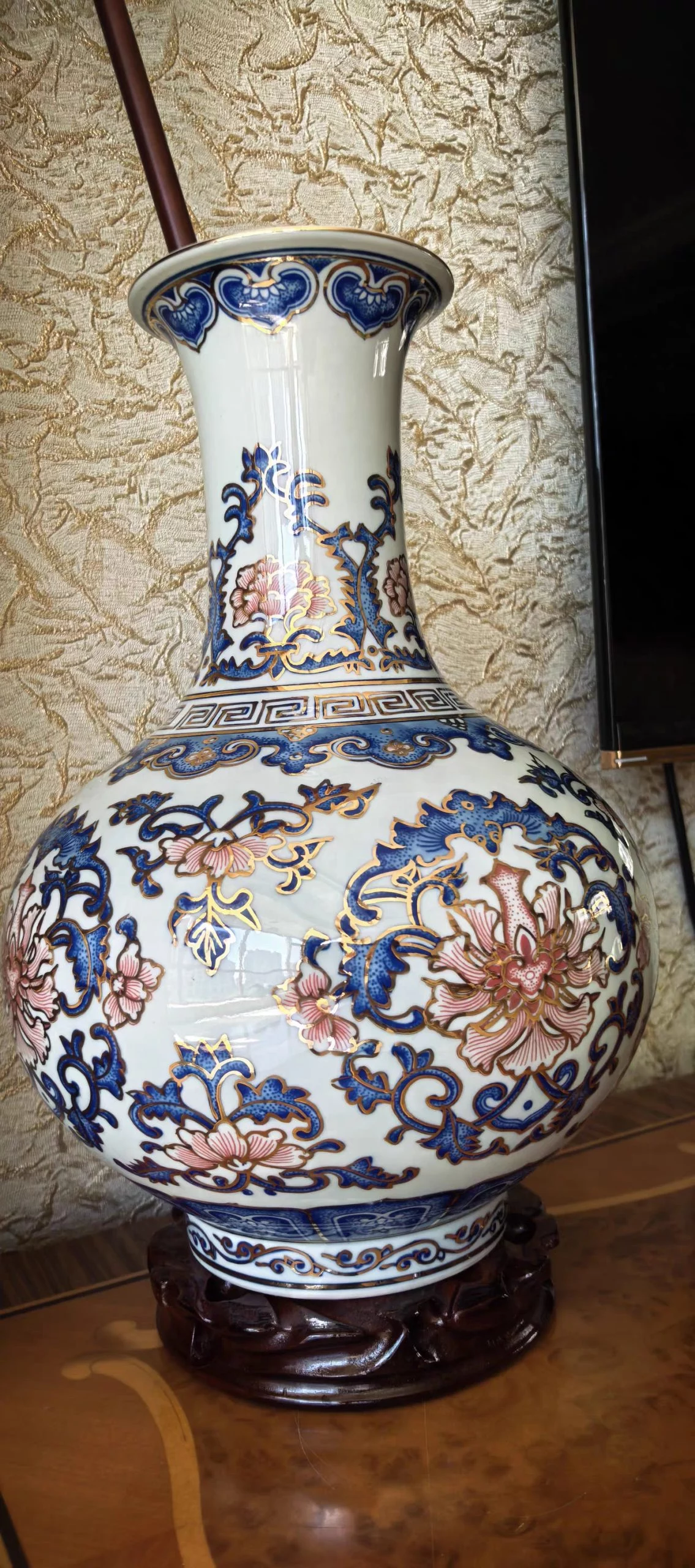
Hotels and restaurants
KKCN makes restaurant dinnerware and hotel porcelain in Jingdezhen. We make the tableware, tea service, room gift sets and display pieces a property needs, carry its logo or pattern, and keep every reorder matched to the first delivery. Logo and pattern pieces start at 50 per style, and in-stock pieces at 1, so a property can sample before it commits.
A restaurant’s order is mostly the table: plates, bowls, cups and the pieces a menu calls for, in counts that follow the covers and the breakage rate. A hotel’s order runs further. The guest rooms need cups and a tea service, the executive lounge needs something better, the gift shop and turndown program need boxed sets, and the lobby and corridors need vases large enough to read from across the room.
Buying all of it from one maker means one porcelain body, one white and one standard of finish from the breakfast room to the suite. It also means one approved sample file, one inspection record and one shipment to track, instead of four suppliers who have never seen each other’s pieces.
We make it in our own Jingdezhen workshops. Pieces that need a specialist step, such as a Dehua body for a very large standardized run or a Chaozhou decal for a fine logo, come back to our headquarters for final inspection and packing with everything else.
Porcelain in service is handled hard. So the details that decide how a piece survives a kitchen and a busy dining room are set at the sample stage, not left to the run: the thickness of the rim, the weight in the hand, how plates and bowls nest and stack, and how a foot sits on a tray. They go into the signed standard together with the color range and the packing, so the hundredth carton matches the first sample.
Your mark can go under the glaze in cobalt, as a fired decal, or engraved in the foot. Under the glaze it is sealed by the high firing at about 1,300 °C. A decal suits a fine logo that must repeat exactly across thousands of pieces. Many hotels use both: a painted motif on the piece and a decal mark on the base.
Our daily-use glazes are tested for lead and cadmium release, and the reports are listed on Quality Control. Ask which report covers the pieces on your list, and we will name it.
Our commercial white porcelain line was built for kitchens that run a dishwasher all day. An independent accredited laboratory has tested it to BS 8654 and to EN 12875-5, the commercial dishwasher method, and the reports are available on request. Plates and bowls come as coordinated sets, so the whole table shares one body and one white, and restaurant plates are quoted wholesale by the piece or by the set.
The reasoning behind each figure is in our hotel tableware buying guide.
| Rim | Rolled, reinforced rim, 3.2–4.0 mm thick at the edge |
|---|---|
| Weight | A 27 cm dinner plate weighs about 720–820 g |
| Durability testing | BS 8654 and EN 12875-5, independent accredited lab |
| Logo for daily service | In-glaze decal, fired at 1,220–1,280 °C |
| Logo for display pieces | Overglaze decal, 750–850 °C, for low-turnover decorative use only |
| Microwave | Metal-free in-glaze and underglaze pieces tested microwave safe |
| Tolerance in the contract | Size ±3%, weight ±8% within a style, color ΔE00 ≤ 2.5 within a batch |
| First custom logo run | From 50 pieces per shape; reorders of approved artwork from 300 pieces |
Our largest single order so far was about 48,000 cups and small plates in one 40-foot high-cube container for a hotel project. A run that size is fired across several kiln loads to the same curve, and every load is checked against the same approved sample, so the container arrives reading as one order.
The calendar is usually tighter than the volume. A new form or pattern needs its sample first, then production, then the sea crossing, and August to December is our busiest season. Send the opening date with the first brief. We will tell you when the sample has to be approved for the cartons to reach your loading dock in time, and we book peak capacity early for confirmed projects.
A hotel replaces porcelain every year, and a replacement plate that is a shade whiter than the rest of the table shows at once. So the approved sample for your order stays at our Jingdezhen headquarters, and the body, glaze, pattern drawing and firing record go into its craft file. A reorder is made to that file and compared with that sample.
That is a large part of why about 72% of our active B2B clients reorder, with an average relationship of about 4.8 years.
Every order passes three inspection levels led by Li Qiusheng, a municipal-level intangible-heritage inheritor of traditional firing techniques. For hotel and engineering projects, an independent Intertek inspection can be added on site before the cartons are sealed.
Cartons are packed and marked the way your installers will work, and the packing list follows the opening schedule. CIF and DDP shipments are insured under KKCN’s PICC blanket cargo policy.
For the Al Masa Grand Hotel in Dubai, we have made hand-painted vases and miniature tea gift sets with the hotel’s own logo for four years, each batch inspected by Intertek before it ships. The case is on Quality Control.
The piece list, quantities, logo files, the opening date and any pieces you already use.
In-stock references in 3–7 business days, new forms or patterns in 15–30, approved on a fired piece.
Sizes, color range, logo position, packing and carton marks, signed before production.
The first finished piece is checked against the sample before the run continues.
Every finished piece is inspected, then packed by room type, floor or zone.
Express, air or sea, on EXW, FOB, CIF or DDP terms, with the export documents filed under our own customs qualification.
A spreadsheet, a photo of your current table or a mood board is enough to begin. Lin Wan replies within 1–2 business days with sample options, a timeline worked back from your opening and a priced quotation.