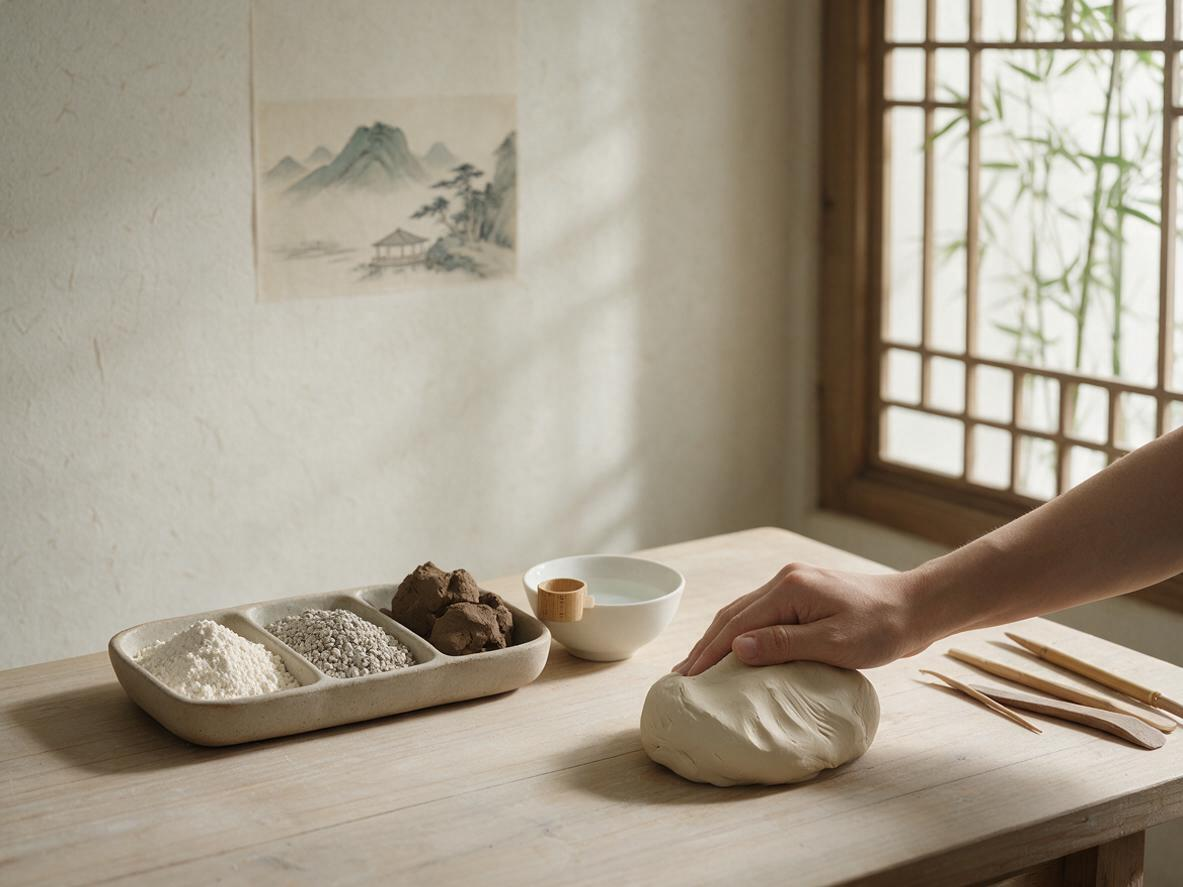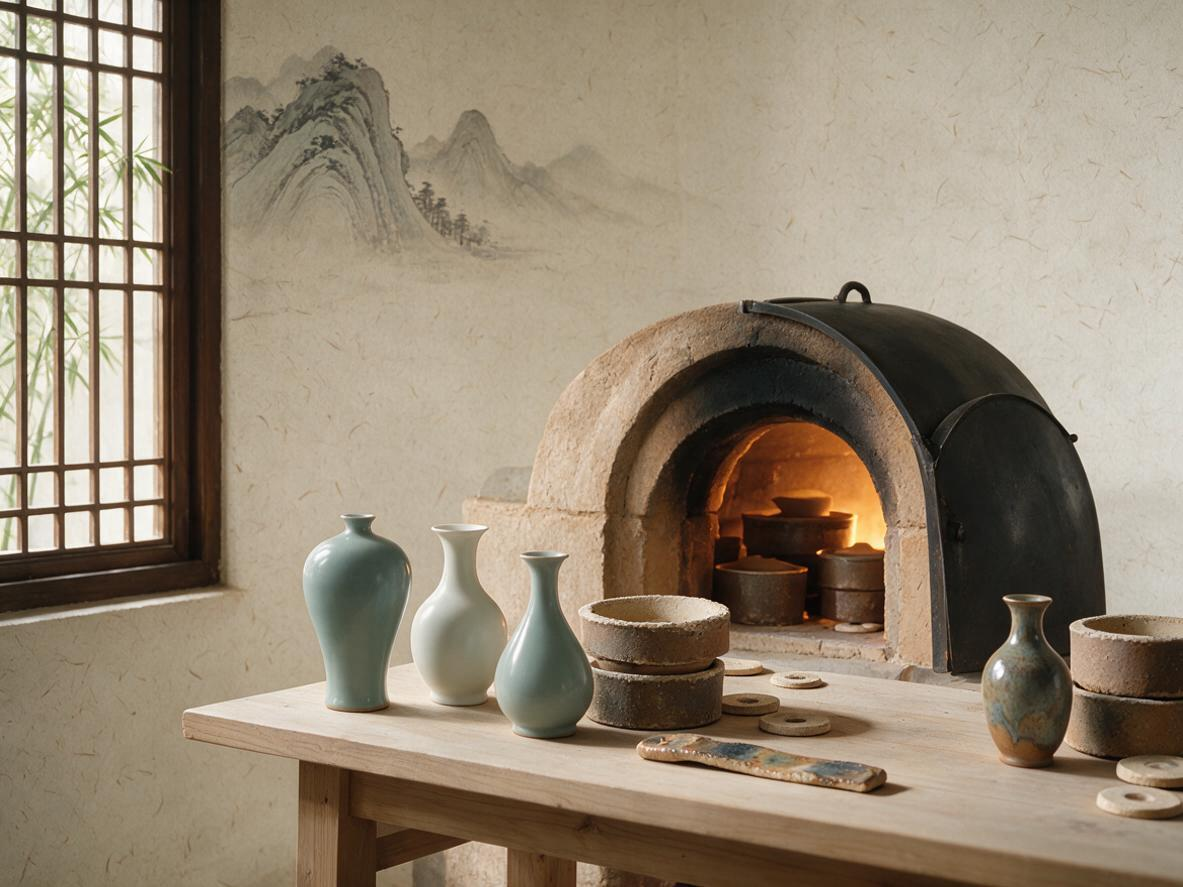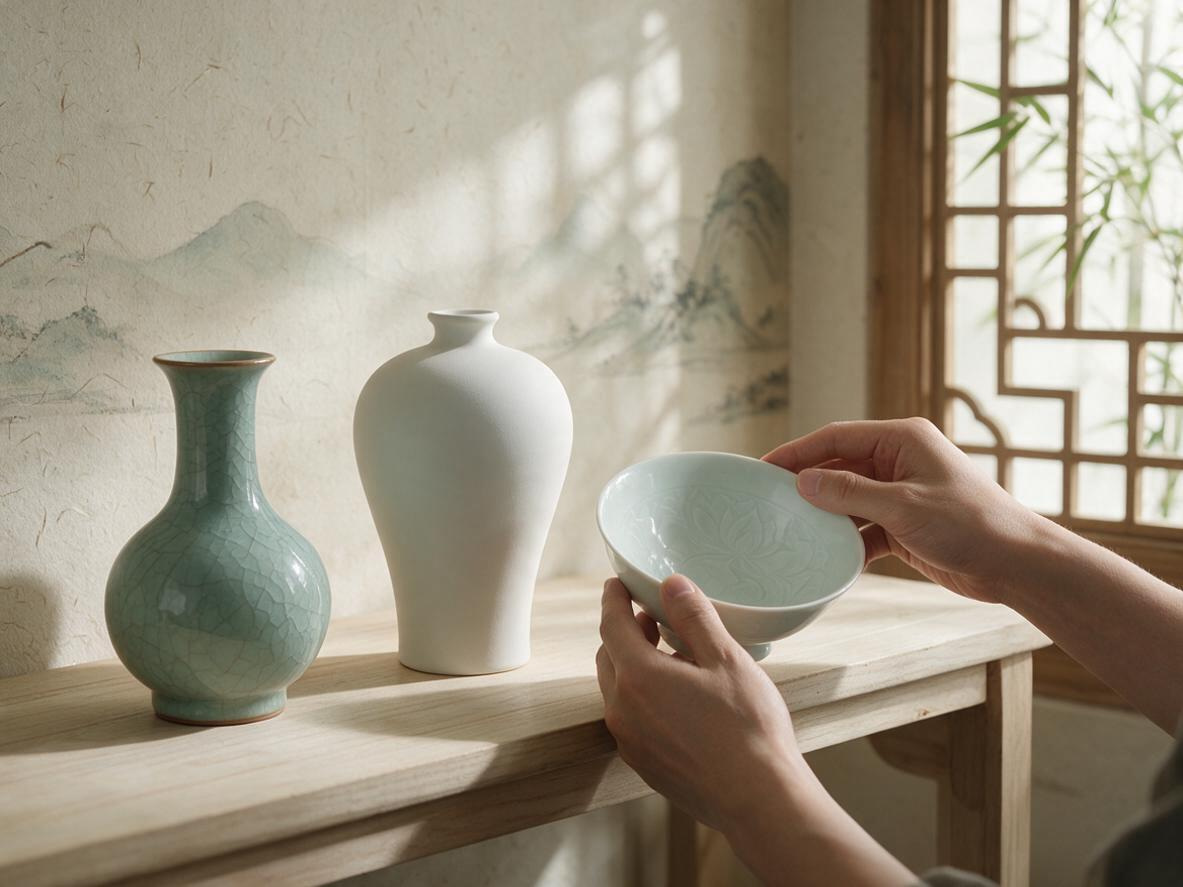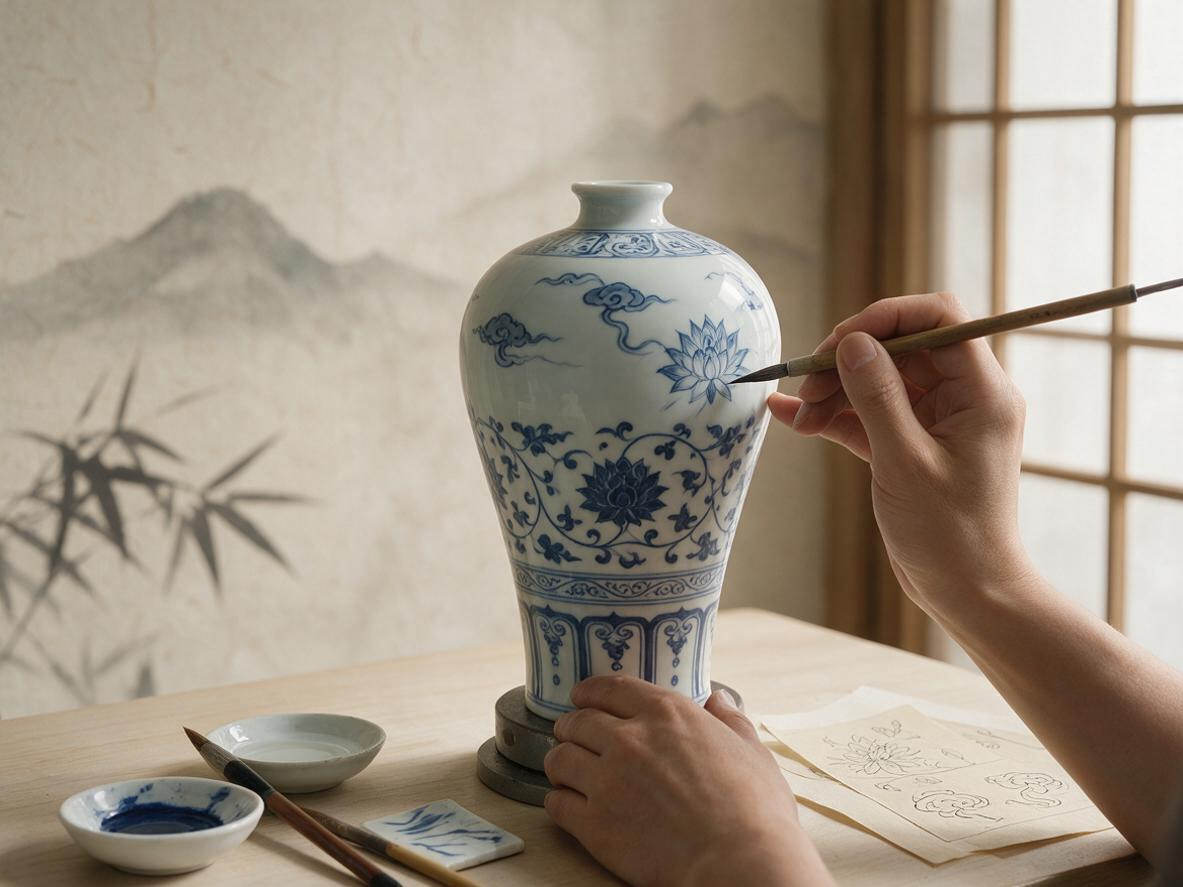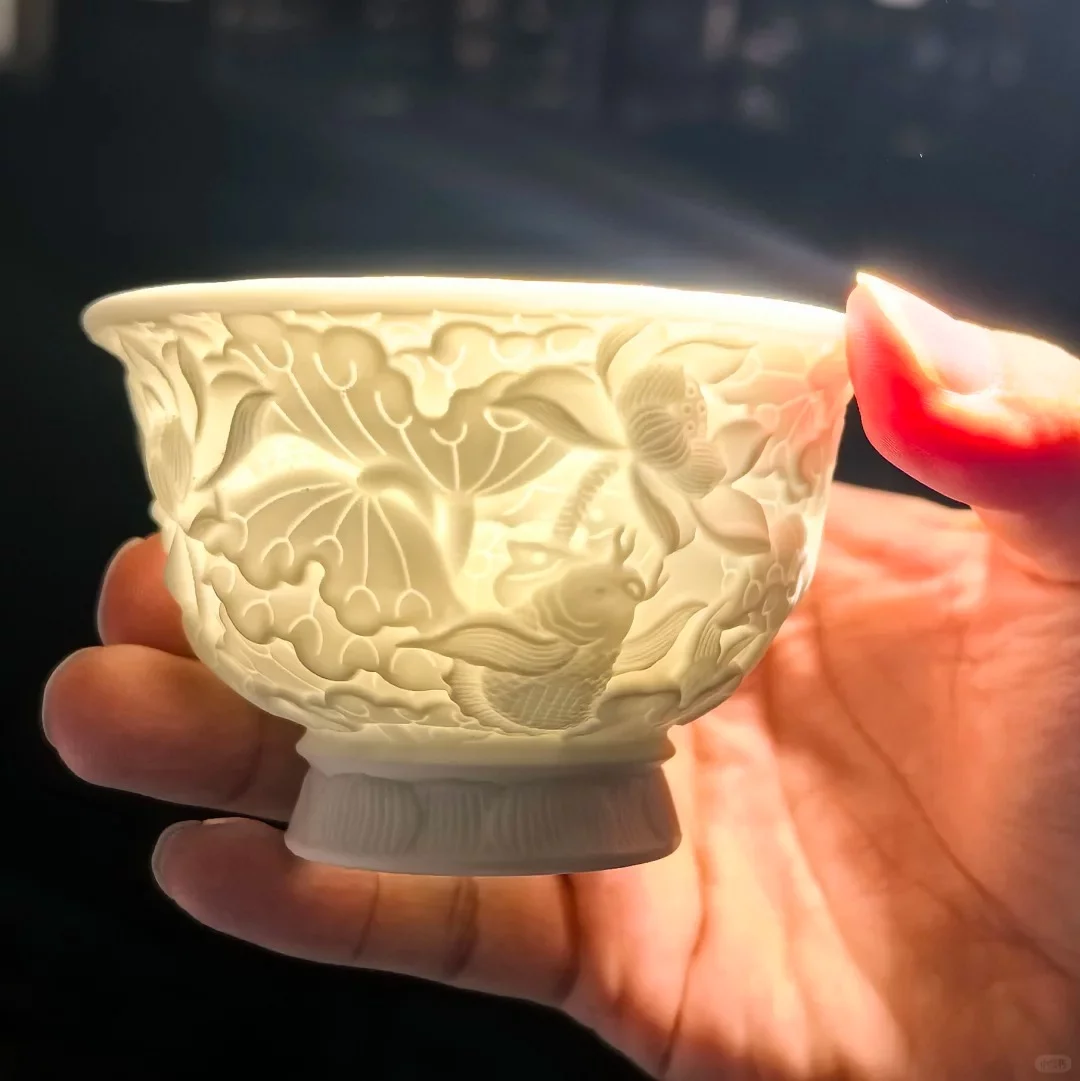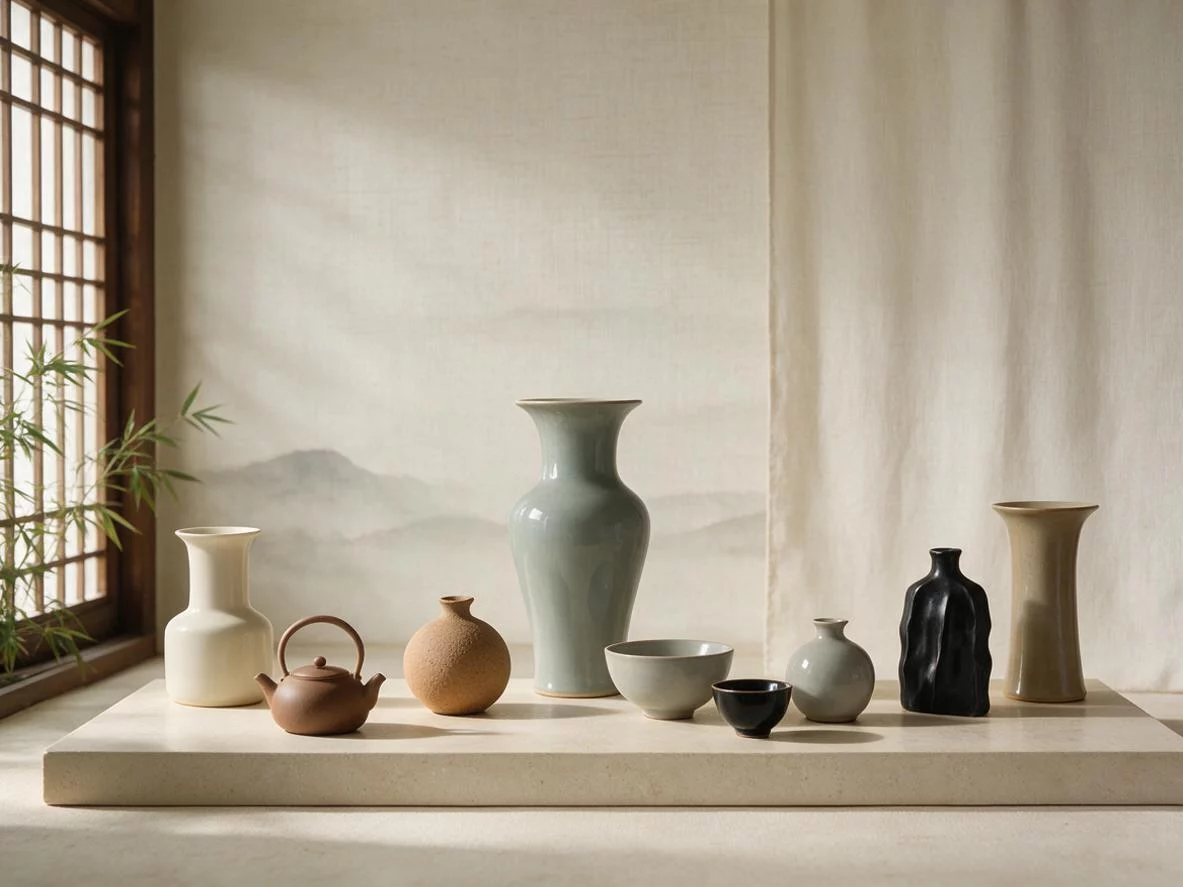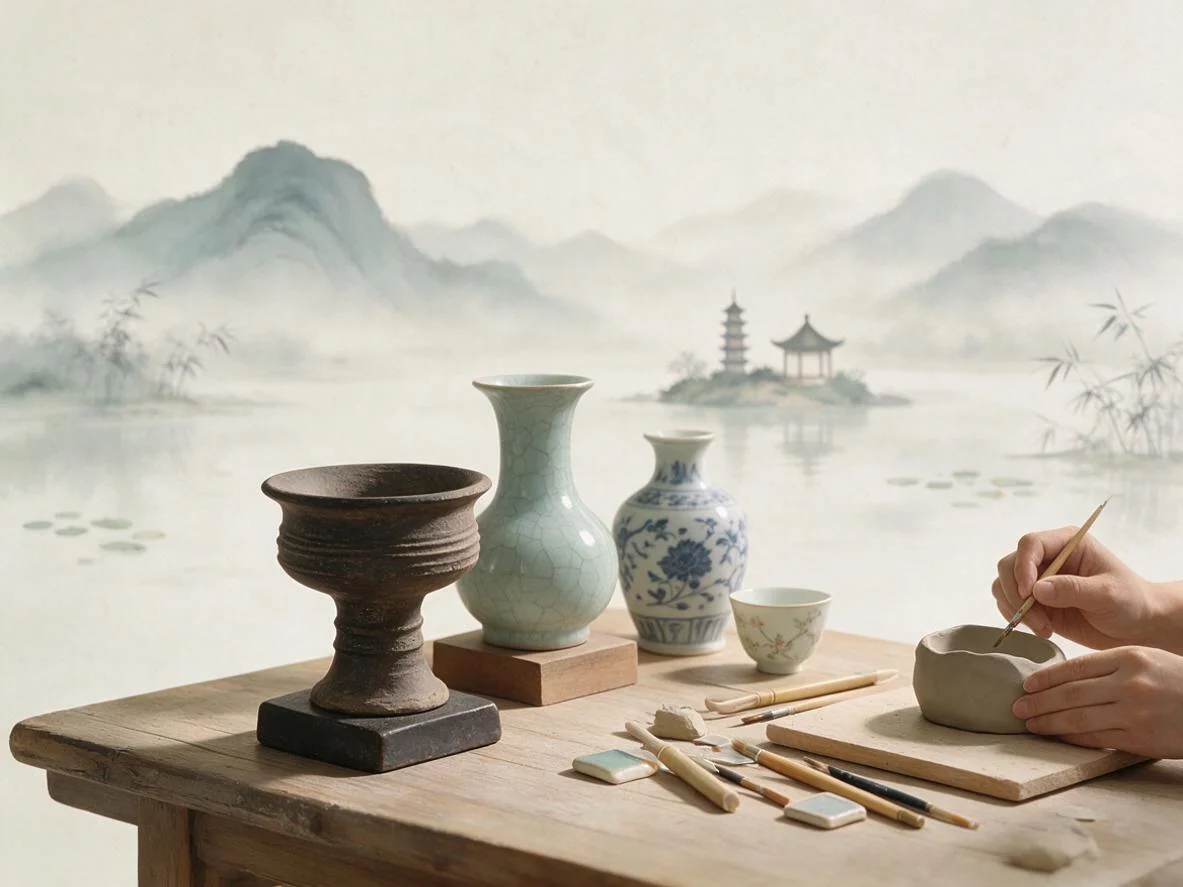
Material, blended per piece
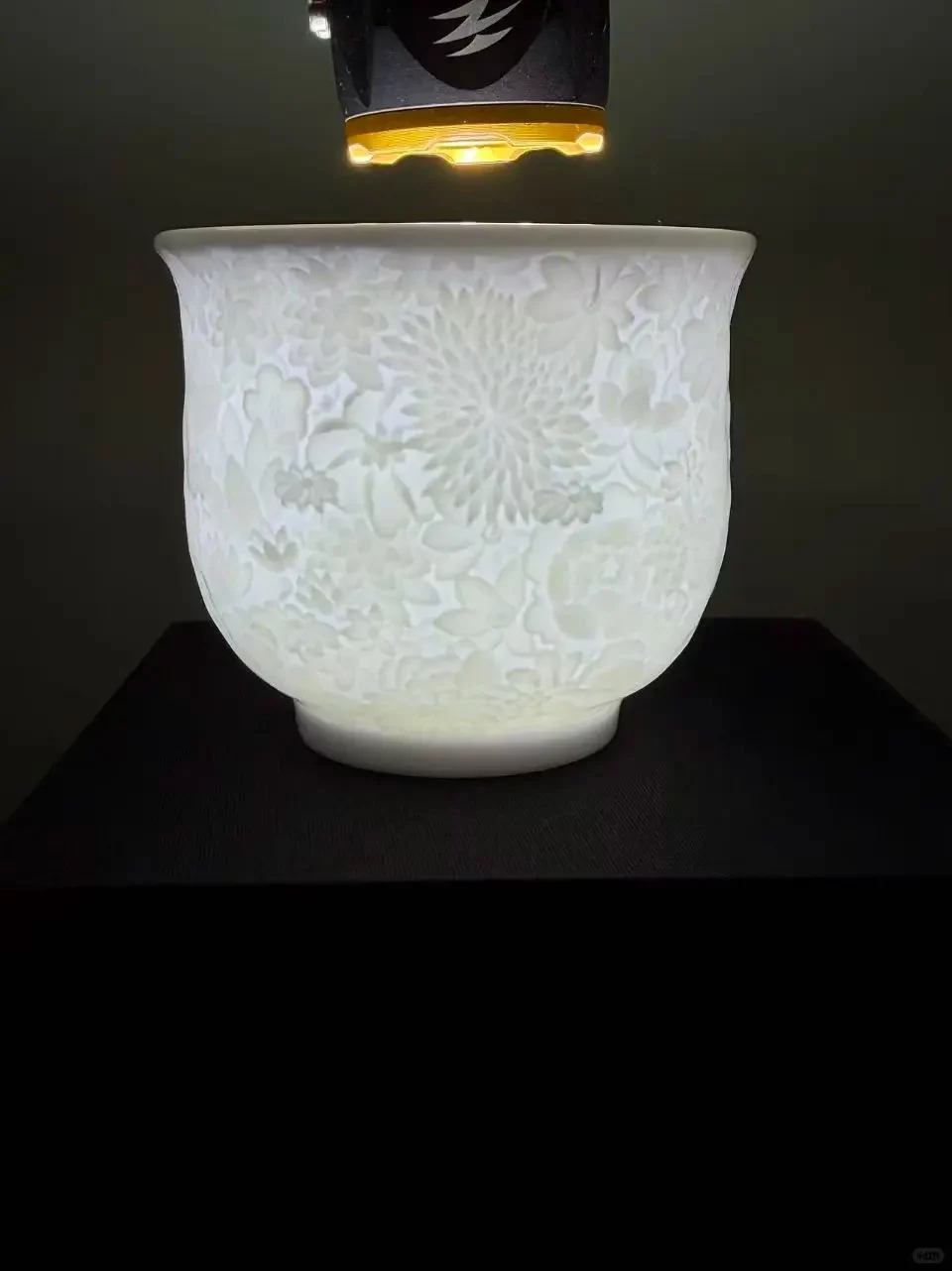
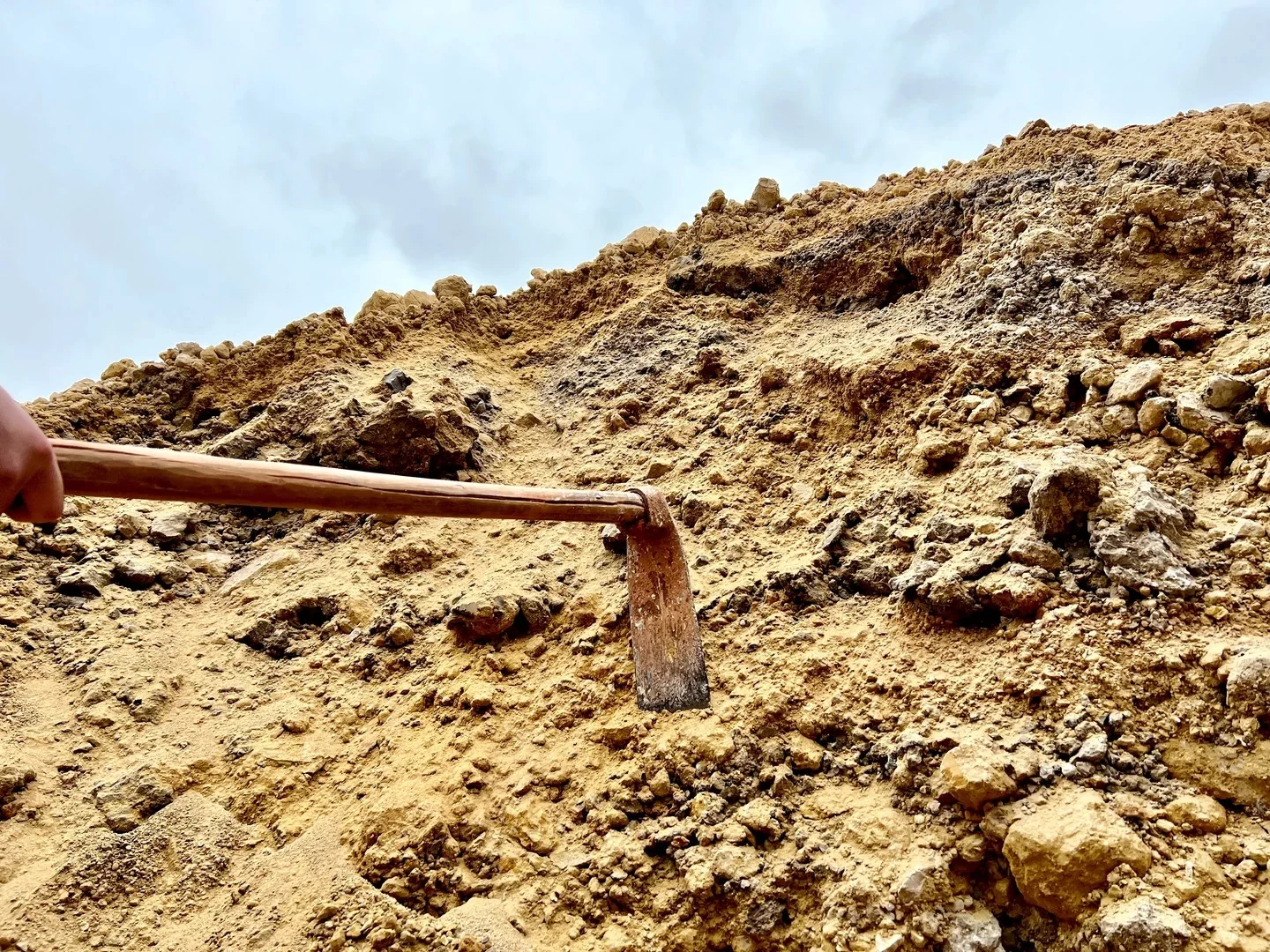
Kaolin and porcelain stone from the Yaoli and Gaoling Village areas are blended for each piece. The body sets the white, the strength and how much light a thin wall lets through.
Resources
Buyer guides from Jingdezhen
Ten guide collections on sourcing, craft and selling Chinese porcelain, written by our export team.
Browse all guides ↗
Made by hand
Our core porcelain is prepared, thrown, trimmed, painted, fired and inspected in our own Doufunong workshops. Each of the six stages has its own page.
Body, hand and fire
A porcelain piece is decided three times over: by the body it is made from, by the hands that shape and paint it, and by the kiln that fires it. Our core collections pass through all three in Jingdezhen. Specialist pieces from partners, chiefly the cast high-white bodies from Dehua, return to our headquarters for final inspection and packing. Ge, Ru, Jun and Tang Sancai pieces are fired in our own kilns. The six stages below follow one piece from raw clay to the inspection table.

Kaolin and porcelain stone from the Yaoli and Gaoling Village areas are blended for each piece. The body sets the white, the strength and how much light a thin wall lets through.

Throwing, trimming, carving and painting are done by hand in our Doufunong workshops, to craft standards set by He Jiang, a registered intangible-heritage inheritor of traditional porcelain-making techniques.

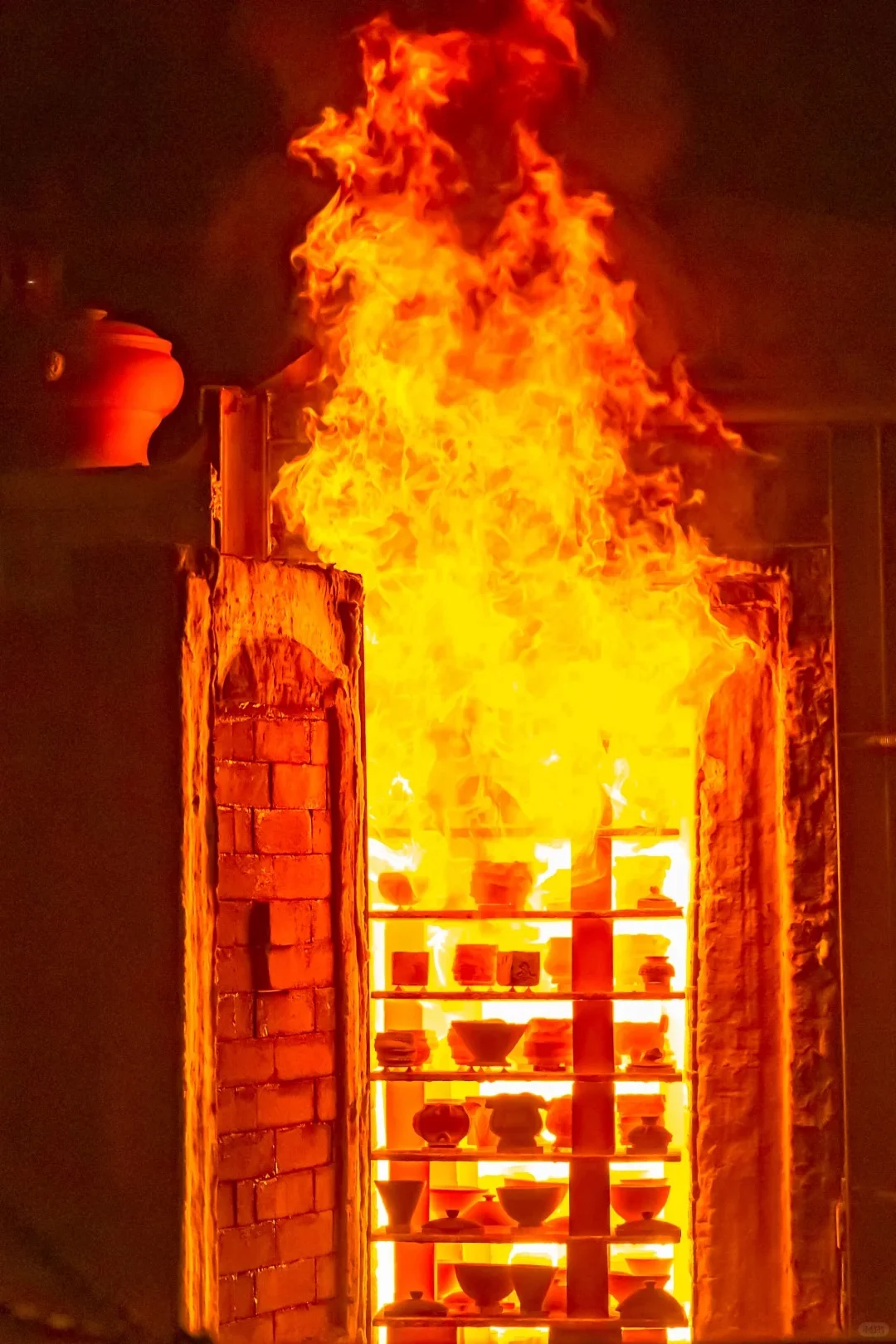
Our four natural-gas kilns fire core porcelain at around 1,300 °C, with a second, lower firing for overglaze enamels. The kiln settles the final color, strength and surface.
The six stages
Kaolin and porcelain stone are checked, blended to a written recipe and wedged free of air, so the body throws evenly and fires without blisters.
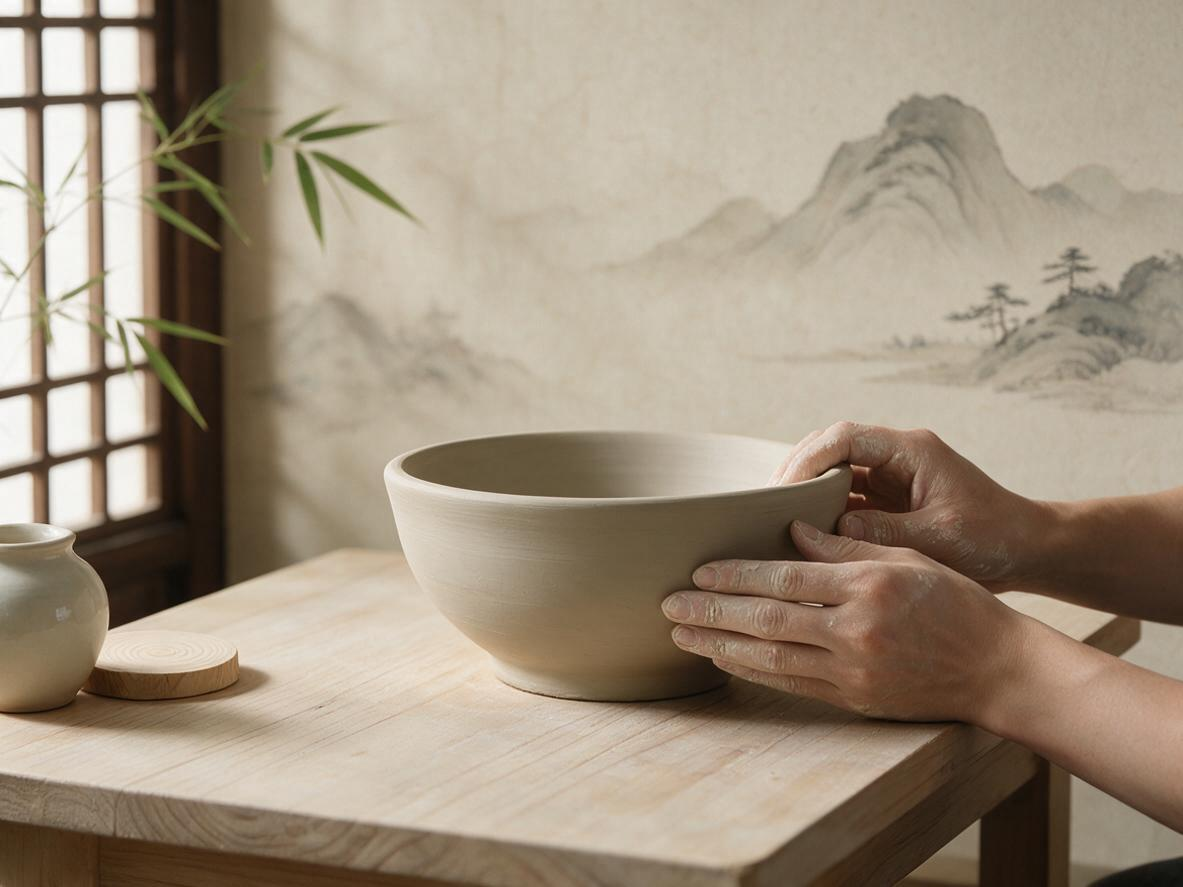
Round forms are thrown on the wheel, complex ones cast in molds, and detail carved or sculpted by hand. Each piece is made larger than its finished size to allow for shrinkage.
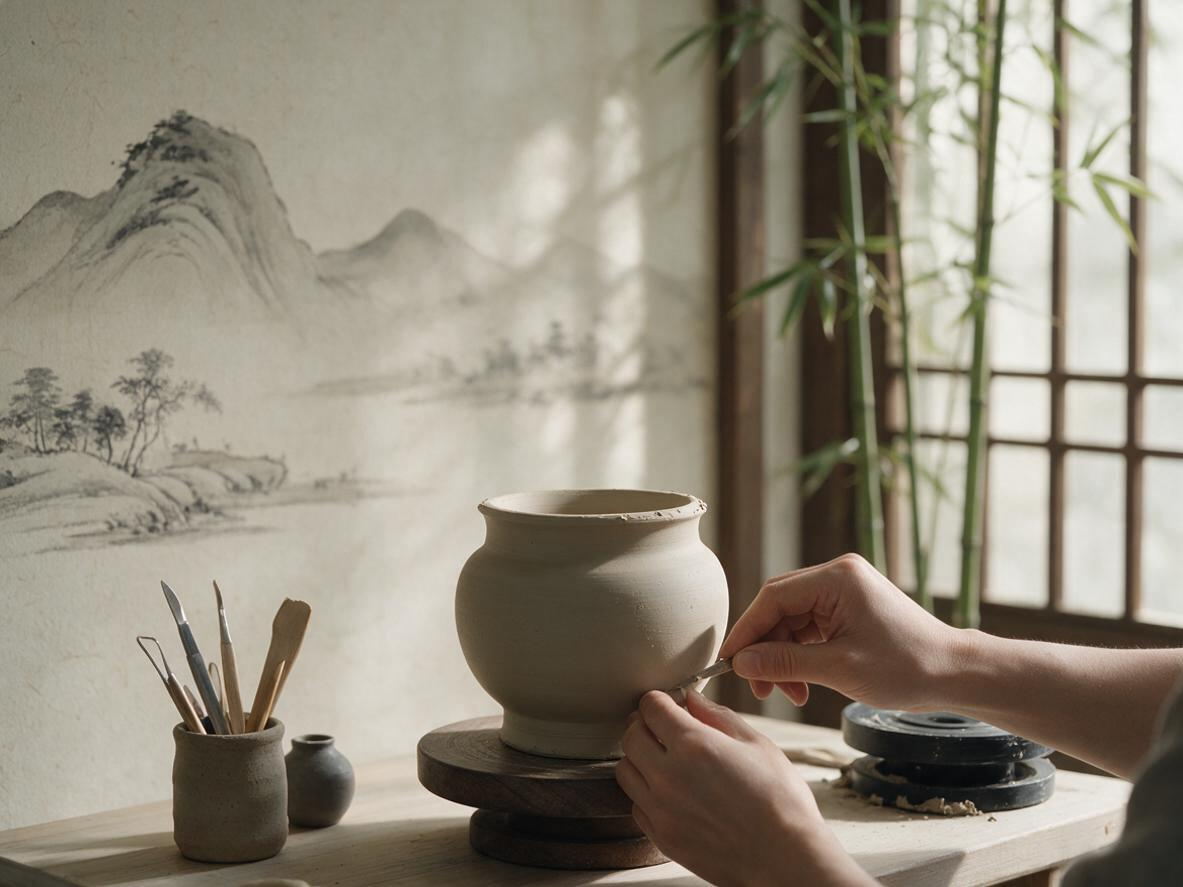
Forms dry slowly to leather-hard, then a trimmer cuts the foot ring and evens the wall by hand. Cracked or warped pieces are removed before they reach the glaze.
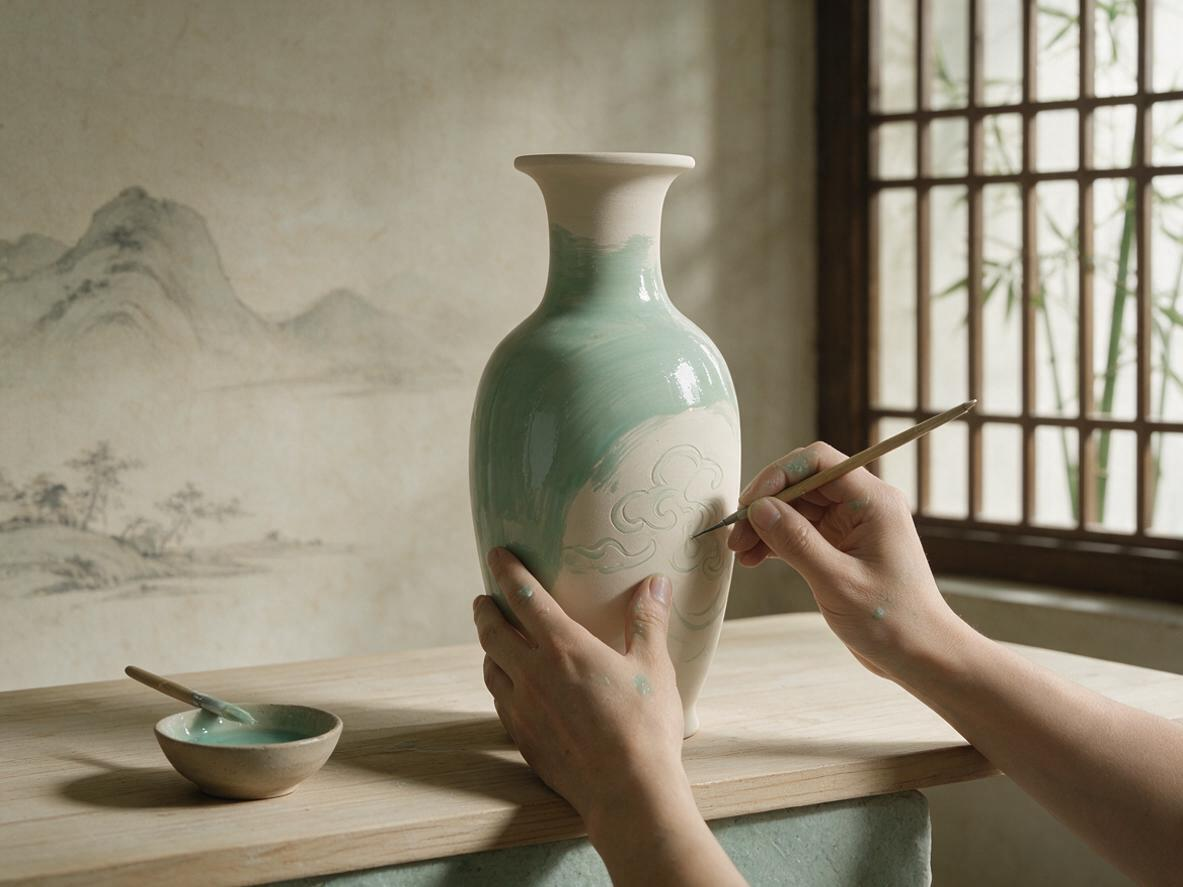
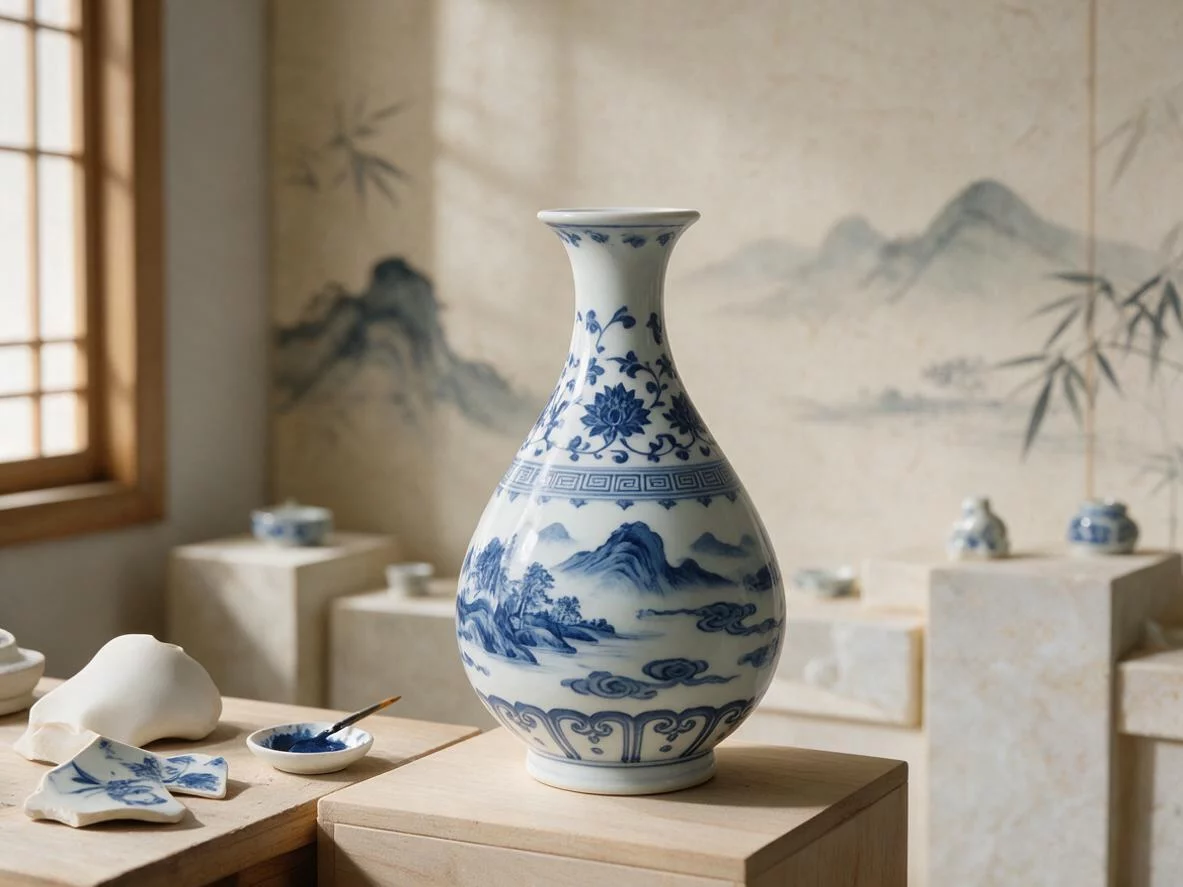
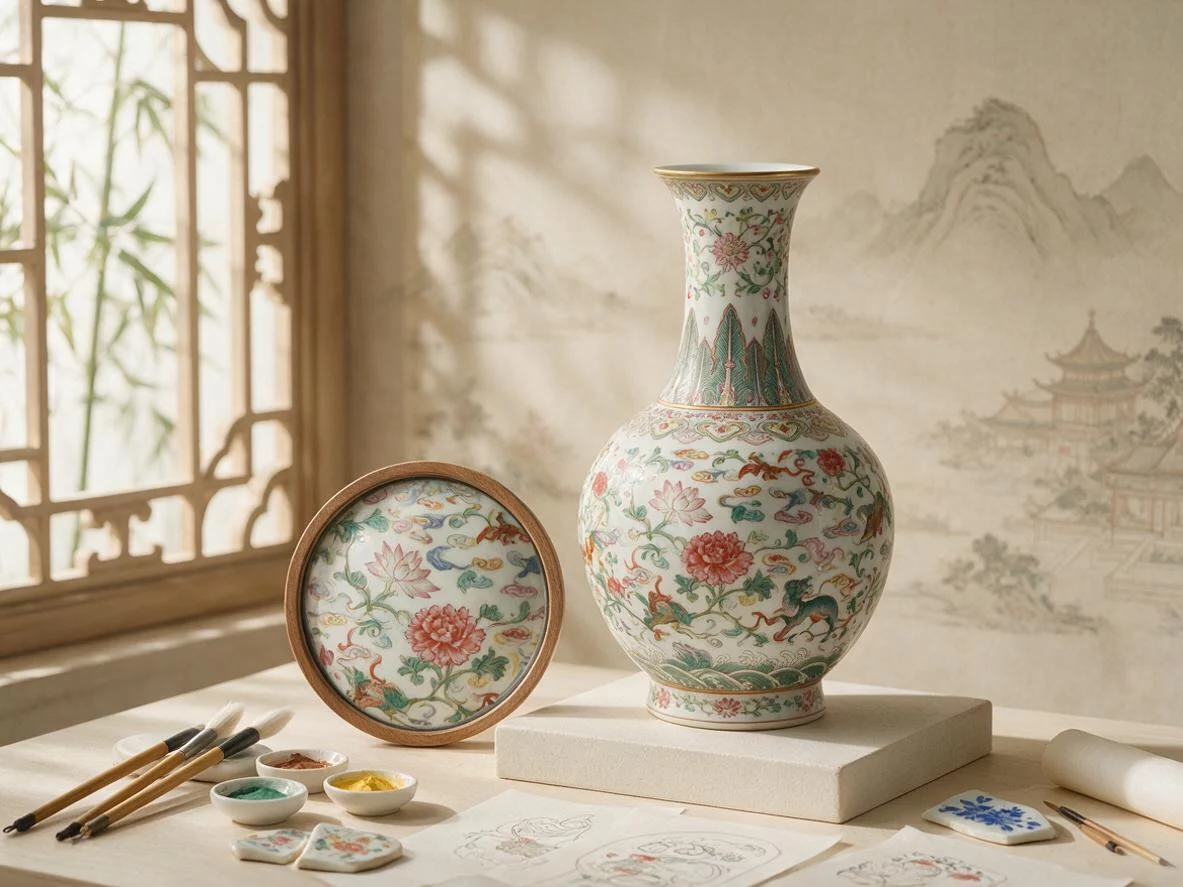
Cobalt and copper are brushed onto the raw body, glazes are layered to the planned thickness, and enamel colors or decals are added where the design calls for them.
Firing turns the body to porcelain and the glaze to glass. Atmosphere and position in the kiln shape the final color, which is why glaze-led pieces are approved on fired samples.
Every finished piece is inspected against the approved sample for form, glaze, color and defects, then cleared for packing at our Jingdezhen headquarters.
Look closer
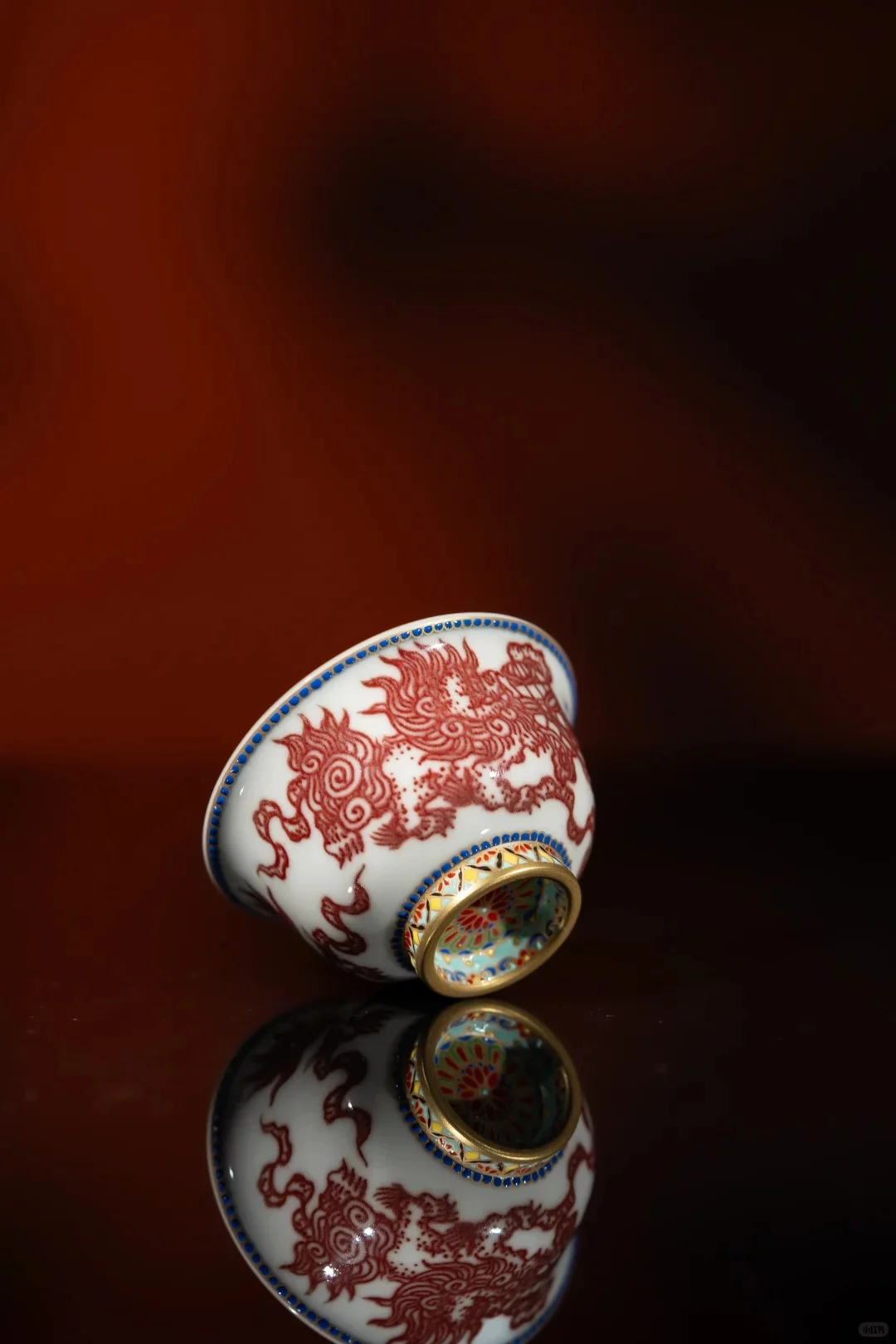
In hand-painted cobalt and enamel, line weight changes with every stroke. Seen close, the brush shows where each stroke began, thickened and lifted.
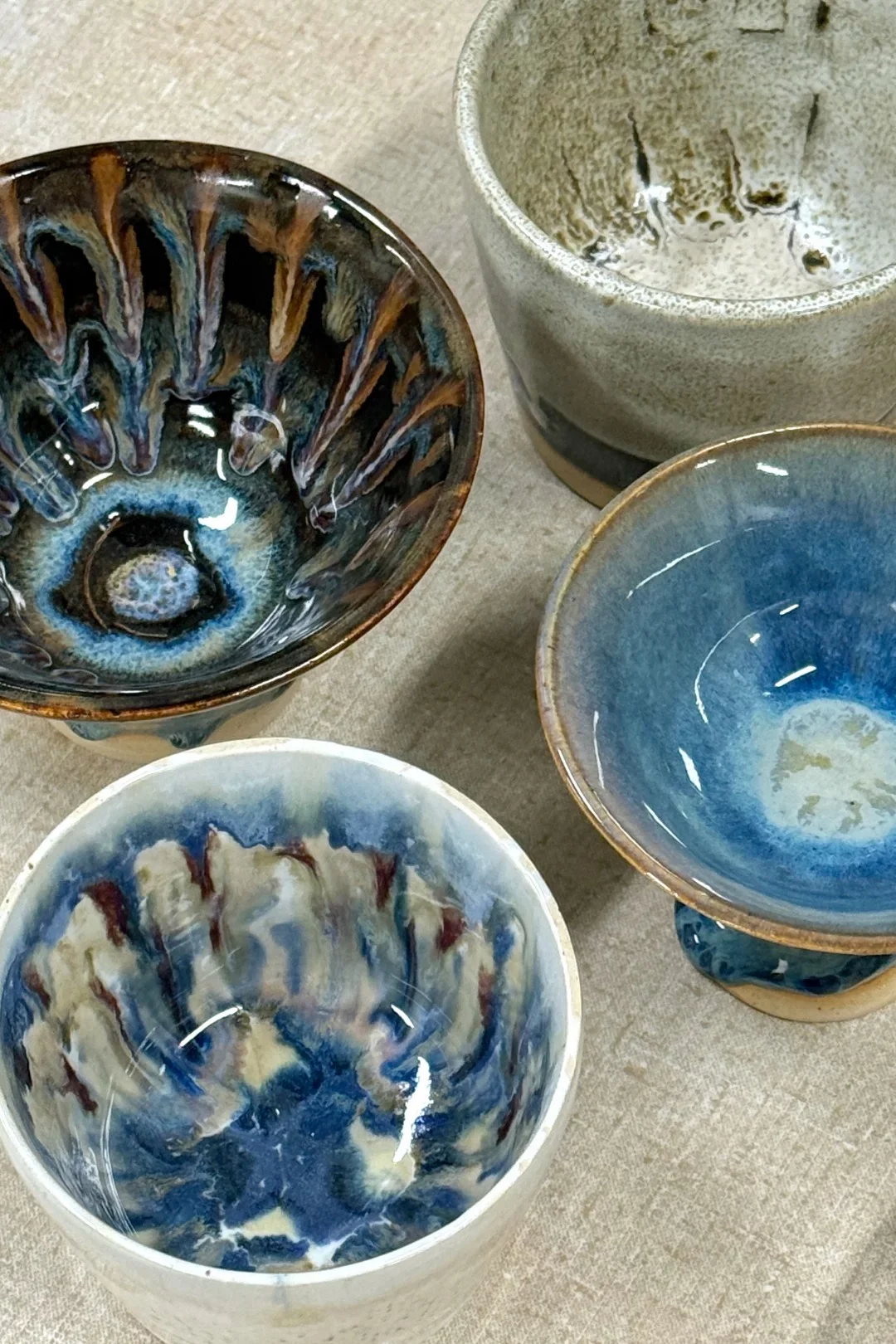
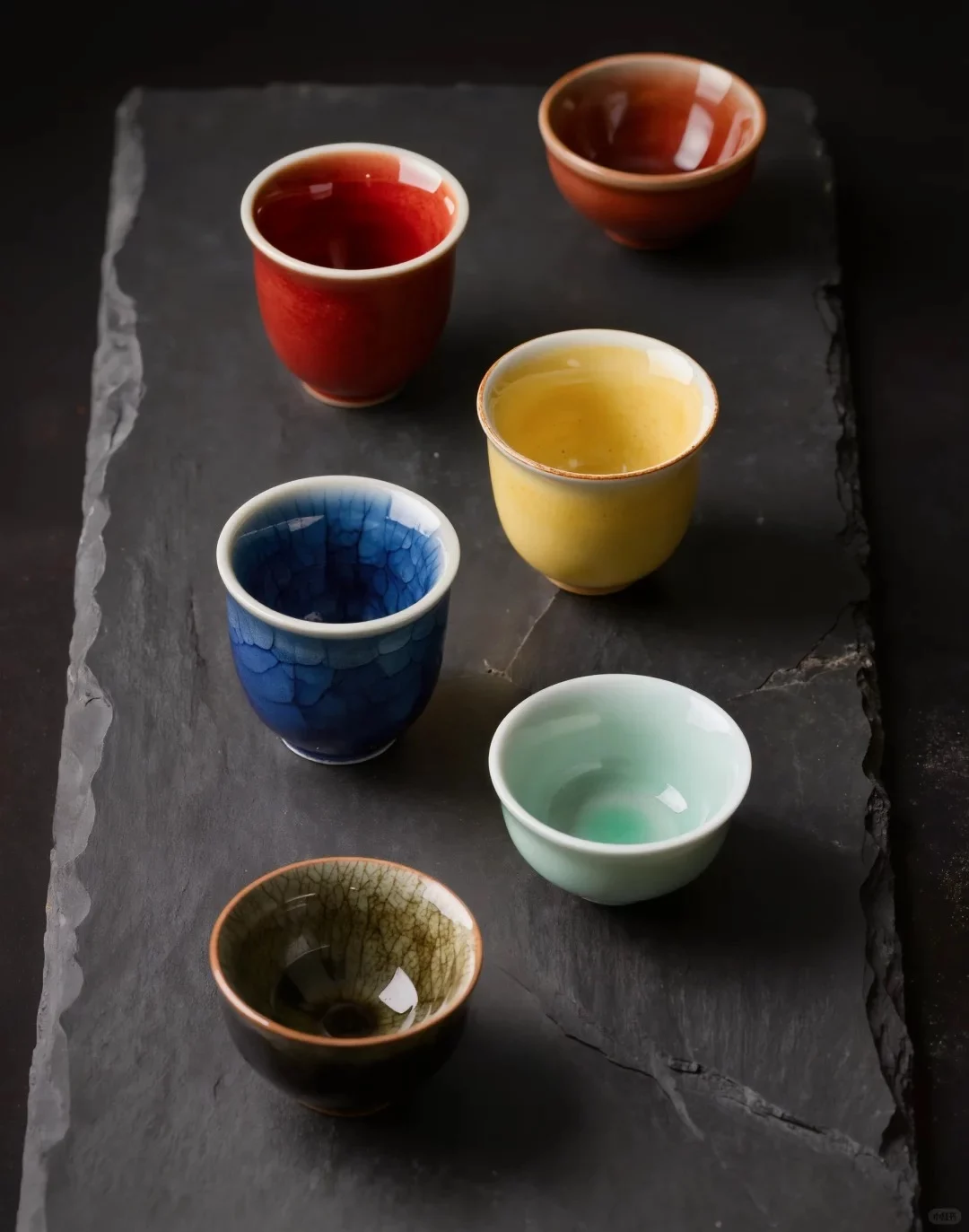
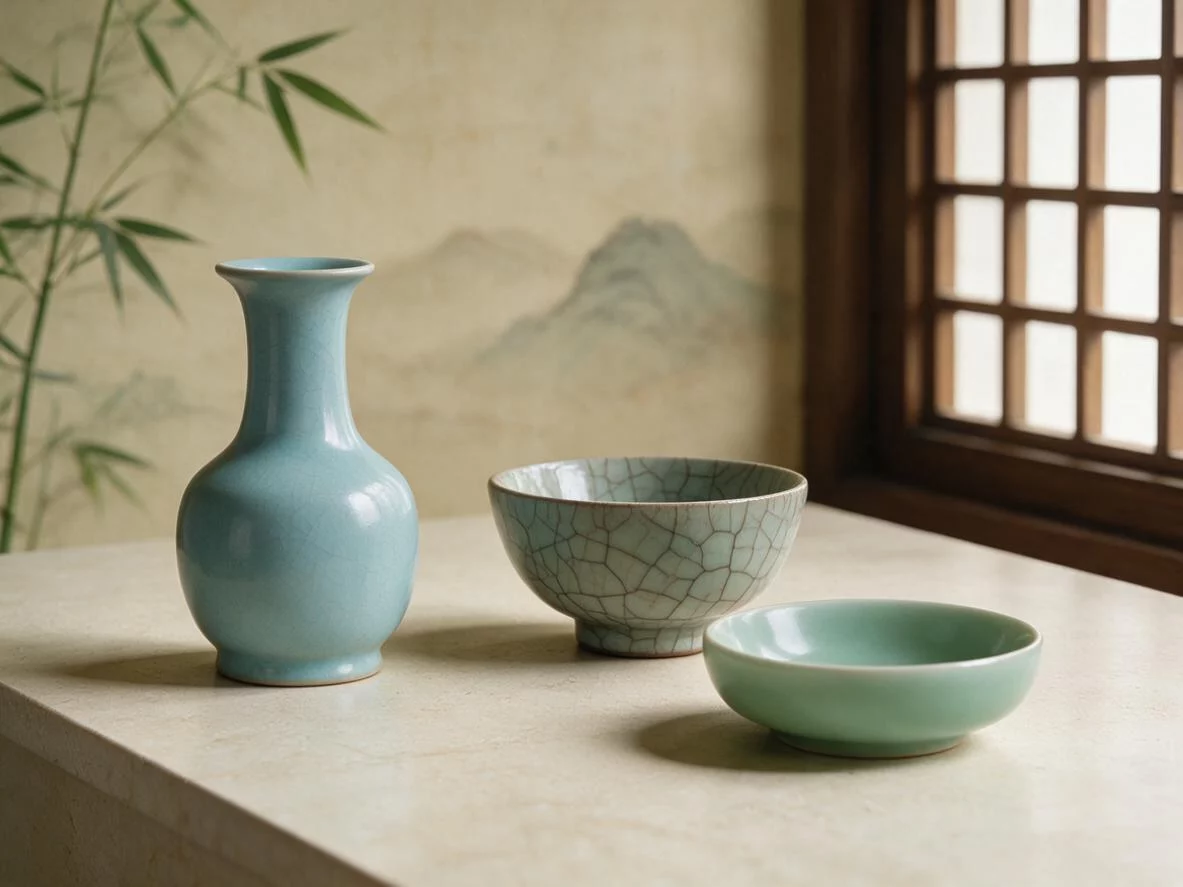
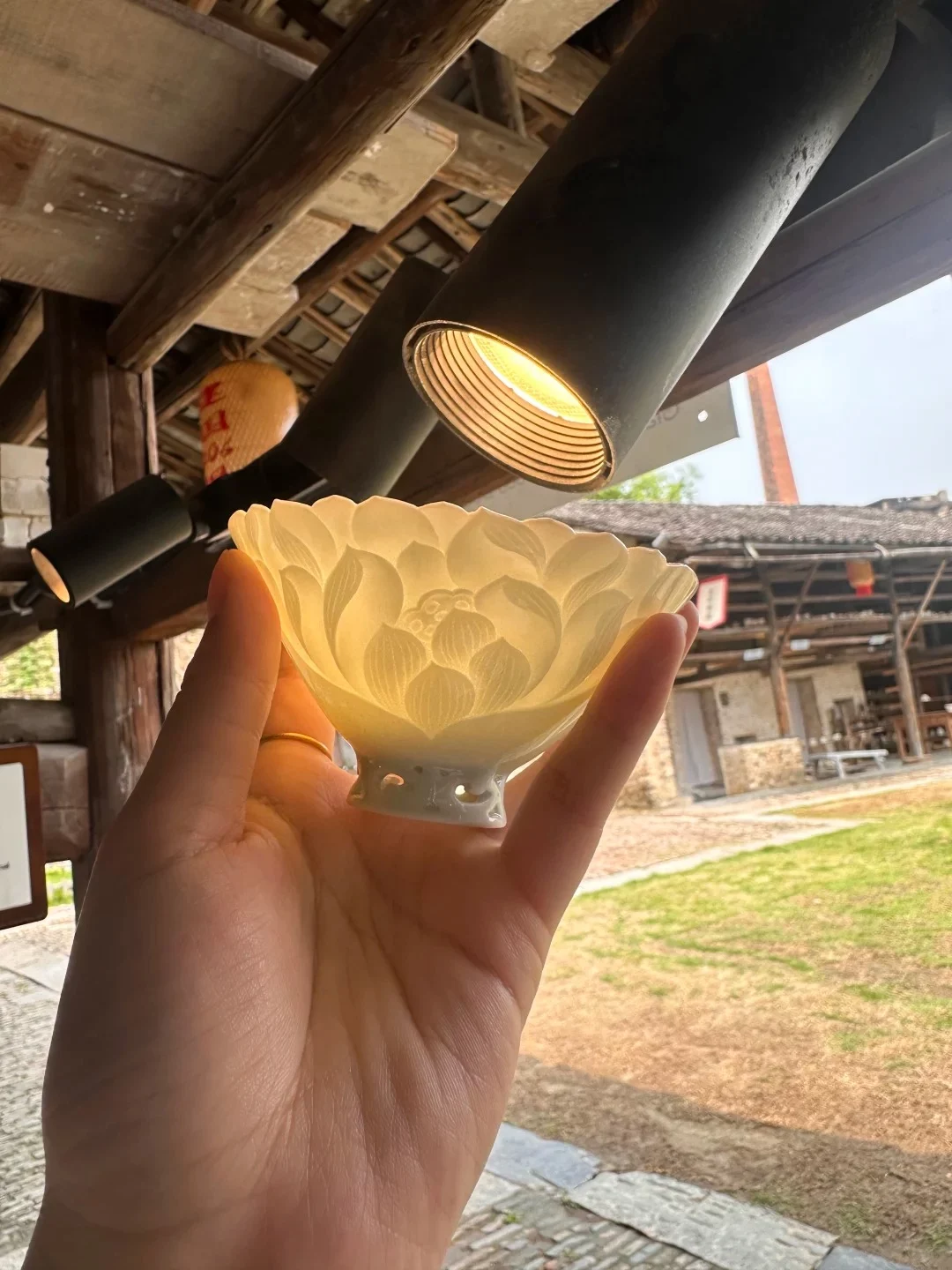
A glaze can be glossy, matte or crackled, and it changes wherever it runs thick or thin. Glaze-led pieces are judged in raking light and approved on a fired sample, never on a photo.
Proportion is set on the wheel and corrected in trimming: the swell of a jar's shoulder, the height of a foot, the way a rim turns out.
Turn a piece over and the foot ring shows how carefully it was trimmed. A level foot and a clean, even rim are the first things an experienced buyer checks.
Glaze and fire
Cobalt or copper is brushed onto the raw body, covered with clear glaze and fired once at high temperature. The color sits inside the glaze for good.
Celadon and the Song glazes are built up in layers and fired in a reduction atmosphere, where iron turns the glaze green. The depth of color follows the thickness of the glaze.
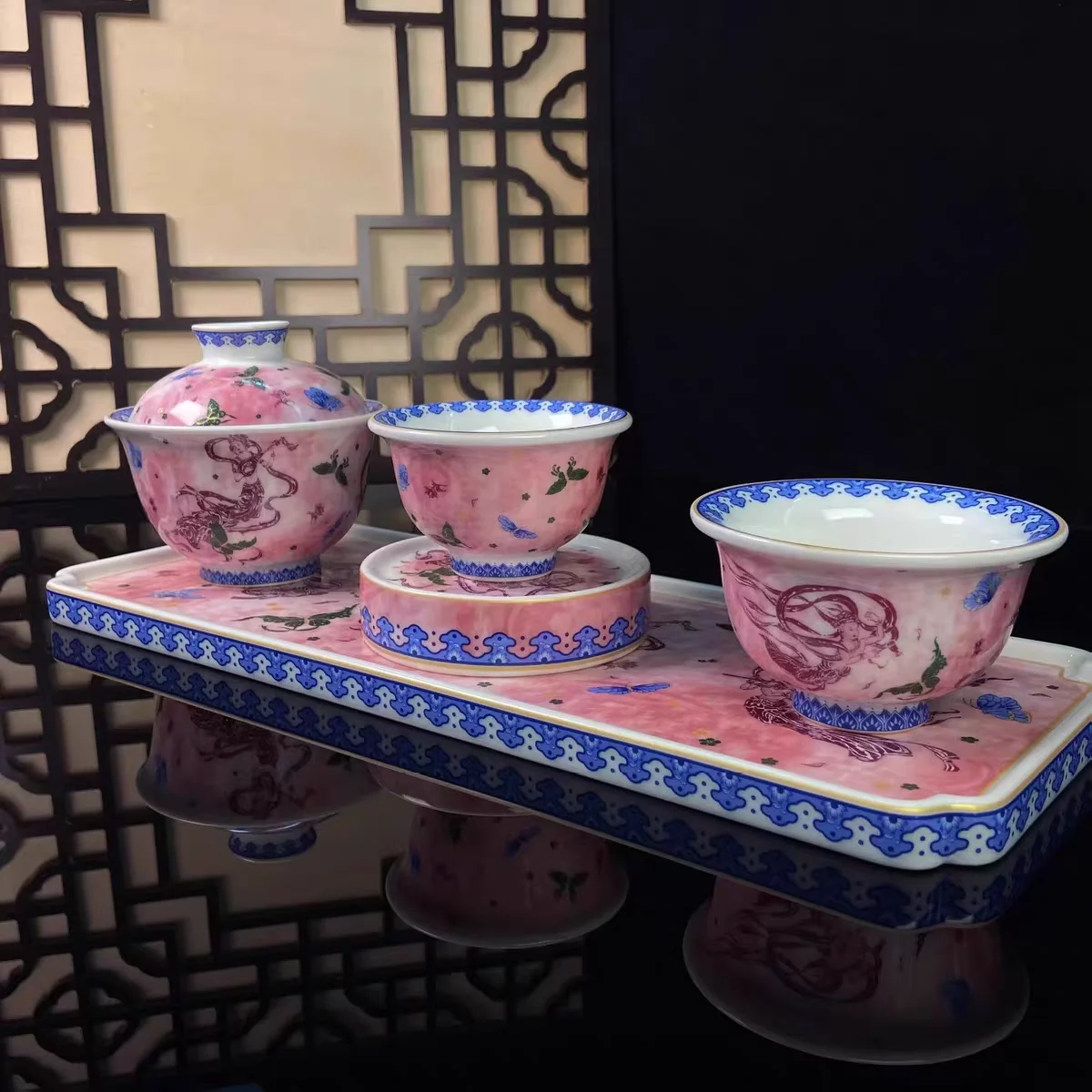
Famille rose, Falangcai and Wucai colors are painted onto a piece that has already been fired, then fixed in a second, lower firing at about 780–850 °C.
Monochrome and clear white glazes, matte or glossy, go on in a single even coat and are fired for consistency, so a set reads as one color from piece to piece.
Four collections
Each collection leans on a different stage, so open yours to see where the time and care go before it reaches you.
The six stages run in our own Doufunong workshops in Jingdezhen. These figures show the size of the operation behind them.
| Figure | Value |
|---|---|
| Founded | Workshop 1996, company registered 2003 |
| People | 42 full-time staff and 86 contracted artisans, 15 of them with more than 30 years at the bench |
| Heritage | Four registered intangible cultural heritage inheritors, two of them provincial-level |
| Kilns | 4 natural-gas shuttle kilns, 1,280–1,330 °C, held within ±10 °C over a 22–28 hour cycle |
| Output | About 1.32 million pieces a year of capacity; 1.08 million delivered in 2025 |
| Molds and stock | More than 1,200 molds; 380 stock designs, 96 of them held in the Americas |
| Lead times | Stock 3–7 working days; production 15–25 days; new mold or pattern 30–45 days; fully handmade art pieces 45–60 days |
| Visits | Monday to Saturday, 09:00–17:00. All six stages in 2.5–3 hours; book 10 working days ahead |
Craft questions
Our core collections are thrown, trimmed and painted by hand in our Doufunong workshops, and every piece is finished and inspected by hand. Some forms are cast in molds where a complex shape must repeat exactly, and refined decals are offered for large tableware programs. Your quotation names the route for each piece, so you know which steps are done by hand before you sample.
Yes. Production photos and videos are available on request, and the first piece of your run is reviewed against the approved sample before the rest is made. Buyers can also visit the workshops and the 300 m² showroom by appointment. Updates come from your contact on our foreign-trade team, in English or Chinese.
Ge, Ru, Jun and Tang Sancai pieces go through the same stages in our own workshops, fired by the kiln team that knows each glaze. High-white bodies cast by our Dehua partners come to Jingdezhen for glazing and firing. Every piece, ours or a partner’s, goes through the final stage at our Jingdezhen headquarters: inspection against the approved sample, then packing. Which source makes what
Bring a reference
Send a photo, a drawing or a piece you already sell. Within 1–2 business days we tell you how we would make it: which body, which forming route, which glaze and firing. hejiang@knockingcn.com · WhatsApp +86 197 1171 3584