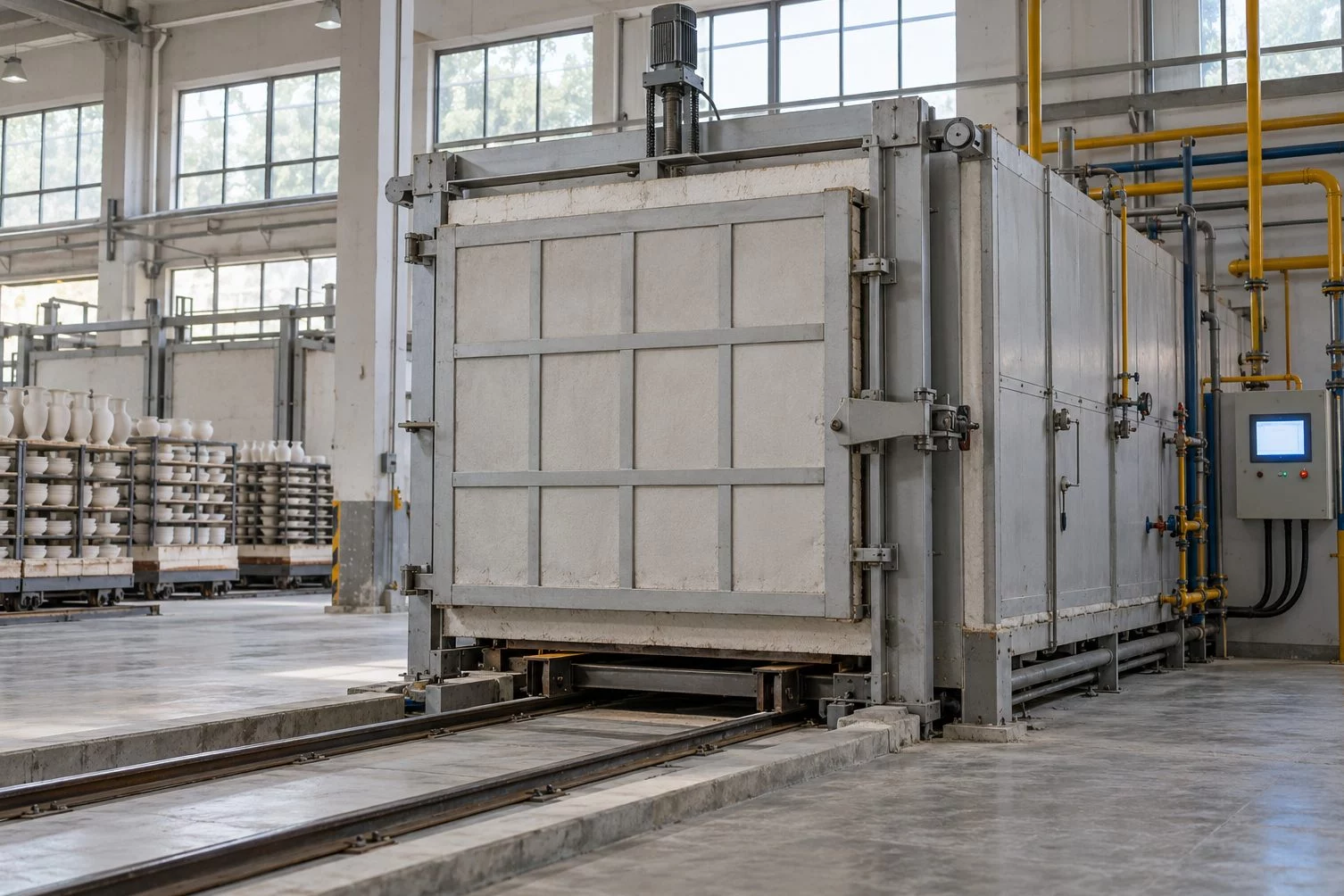
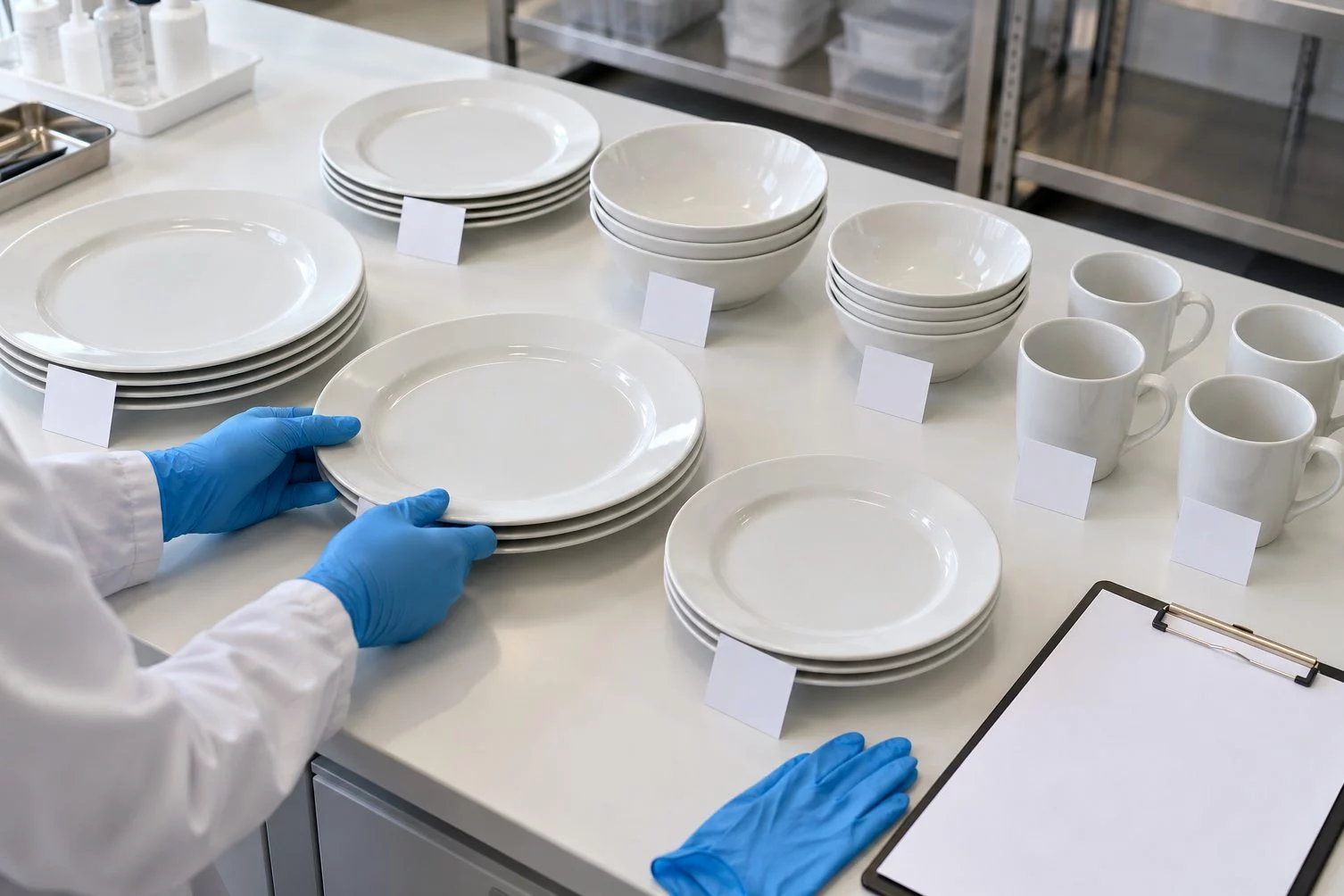
In April 2026, SGS retested our minimalist white porcelain dinnerware and our small and medium bowls and plates sold into the Americas. The two reports, SGS-CER-2026-0418-14567 (ASTM C738 and C927) and SGS-CER-2026-0422-1583 (Prop 65 and SOR/2016-175), cover the requirements buyers in the United States and Canada are asked about most often:
- ASTM C738: lead and cadmium extracted from glazed ceramic surfaces.
- ASTM C927: lead and cadmium from the lip and rim area of drinking vessels, where a glaze or decoration meets the mouth.
- California Proposition 65: the lead and cadmium levels retailers apply before they will stock ceramic tableware in California.
- Canada SOR/2016-175: the Glazed Ceramics and Glassware Regulations.
Why we retest
A test report describes the batch that was sent to the lab. Glaze materials, kiln loads and decoration change over time, so a report from three years ago tells a buyer very little about what is on the shelf now. This round tested current production from our Jingdezhen factory.
What it means for buyers
These lines can go on the shelf in the US and Canada without a new round of testing. When Amazon, Wayfair or a store’s compliance team asks for documentation, you can quote the two report numbers above. We send copies of the reports on request.
“A good piece tells the truth in three seconds under inspection.”
— Li Qiusheng, quality management lead, KKCN
The reports cover the lines named above. For hand-painted, overglaze or custom-decorated pieces, ask us which reports apply, or plan a test for your own design before bulk production.
Related: Quality & Compliance guides · How to check a supplier’s lead and cadmium reports